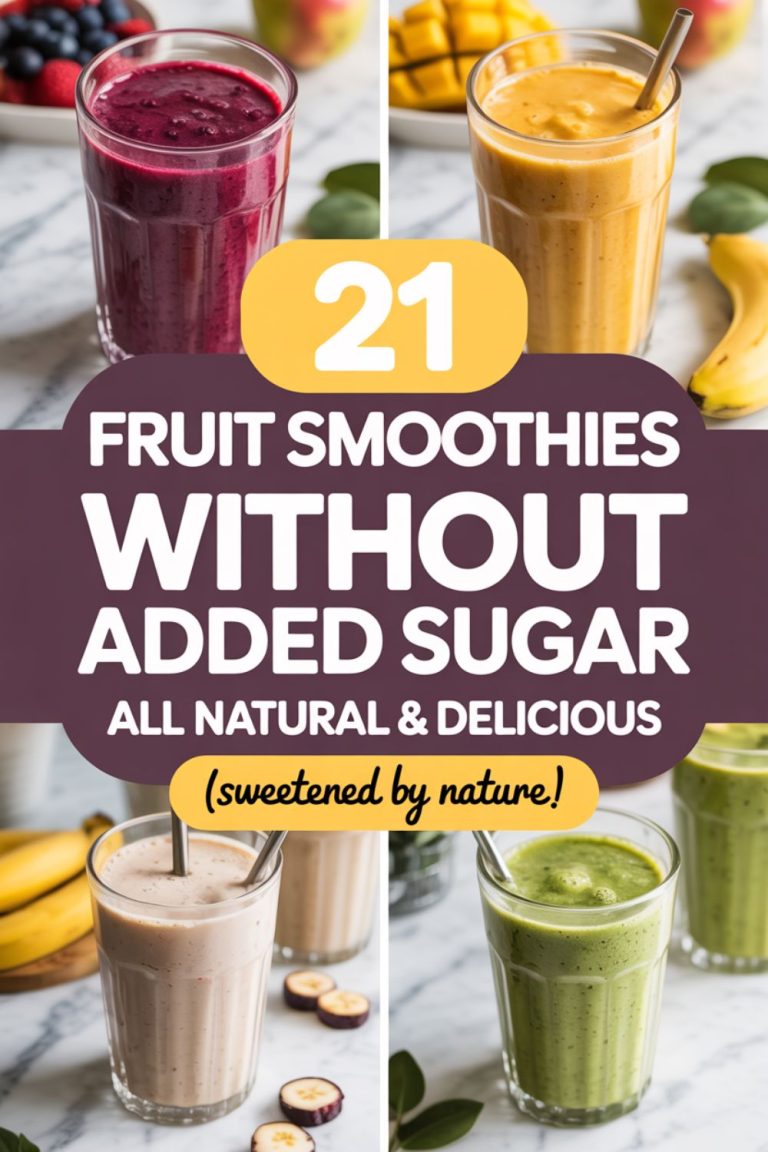
21 Tropical Smoothies to Feel Like You’re on Vacation
Picture this: you’re standing in your kitchen at 7 AM, the morning light filtering through the window, and you’re about to transport yourself to a beachside paradise without leaving your house. Sounds ridiculous? Maybe. But one sip of a well-crafted tropical smoothie and suddenly your Tuesday morning commute doesn’t seem so soul-crushing.
Look, I’m not going to pretend that a mango-pineapple blend will magically teleport you to the Caribbean. But what it will do is give your taste buds a vacation while packing in nutrients that make your body genuinely happy. Tropical fruits aren’t just Instagram-worthy—they’re loaded with bioactive compounds that support health and provide antioxidants that your winter-weary cells are begging for.

The truth is, tropical smoothies hit different. Whether you’re looking to sneak more vitamins into your morning routine or you just want something that doesn’t taste like punishment, these 21 recipes will have you covered. And before you worry about the sugar content, here’s the thing: research shows that the way you combine ingredients matters just as much as what you put in. So yeah, we’re going to talk strategy.
Why Tropical Fruits Are Actually Worth the Hype
Before we jump into recipes, let’s get real about why tropical fruits deserve a spot in your blender. Mangoes, pineapples, papayas, passion fruit—these aren’t just pretty faces. They’re nutritional powerhouses that bring serious benefits to the table.
Mangoes contain something called mangiferin, which sounds like a superhero origin story but is actually a compound that research suggests has anti-inflammatory and antioxidant properties. Pineapples pack bromelain, an enzyme that helps with digestion and might ease inflammation. And papayas? They’ve got papain, another digestive enzyme that basically does the heavy lifting your stomach would otherwise struggle with after that questionable burrito.
But here’s where it gets interesting. When you blend these fruits into smoothies, you’re not just making them taste better—you’re actually making their nutrients more accessible. Johns Hopkins research points out that blending breaks down plant cell walls, which helps your body absorb more of those good-for-you compounds. It’s like giving your digestive system a head start.
Speaking of tropical smoothies that actually deliver on nutrition, if you’re looking for more energy-boosting options, check out these easy smoothie recipes for energy and glow.
The Foundation: Building Your Perfect Tropical Smoothie
Let’s talk basics. Every great tropical smoothie starts with a solid foundation, and I’m not talking about your blender (though that helps). You need a liquid base, something creamy, your fruit stars, and optional add-ins that take things from good to “wait, I made this?”
The Liquid Base
Coconut water is the obvious choice here, and honestly, it works. It’s hydrating, subtly sweet, and keeps that tropical vibe going strong. But don’t sleep on coconut milk—the canned stuff gives you that rich, creamy texture that makes your smoothie feel more like a treat than a health chore. Regular almond or oat milk works too if you’re going for something lighter.
Pro tip: freeze some coconut water in ice cube trays. Trust me on this. When you toss those into your blender instead of regular ice, your smoothie stays tropical-tasting instead of getting watered down. It’s one of those small moves that makes a big difference, and I use these silicone ice cube trays because they pop out easily without requiring a wrestling match.
The Creamy Factor
Greek yogurt is my go-to for adding protein and that thick, spoonable consistency that makes you feel like you’re eating dessert for breakfast. But if you’re dairy-free, frozen banana chunks are your best friend. One frozen banana basically transforms any smoothie into soft-serve territory.
Avocado works too, though I know some people side-eye this choice. Yes, it’s technically a fruit. No, you won’t taste it if you balance it right. And the texture? Unmatched. Just start with a quarter of an avocado and work your way up. I keep avocado storage containers in my fridge because once you cut into one, you’re on the clock.
21 Tropical Smoothie Recipes That Deliver
Alright, let’s get into the actual recipes. I’ve organized these by vibe because sometimes you need something light and refreshing, other times you need liquid breakfast that’ll keep you full until lunch, and occasionally you just want something that tastes like vacation in a glass.
1. Classic Mango Paradise
Start here if you’re new to tropical smoothies. Blend frozen mango chunks, a splash of orange juice, half a banana, and Greek yogurt. The mango brings sweetness and vitamin C, while the banana adds potassium and that creamy texture. It’s simple, but sometimes simple wins.
I make this one in my Ninja personal blender on busy mornings because it’s literally a 60-second situation from freezer to finished. No fancy moves required.
2. Pineapple Coconut Dream
Frozen pineapple, coconut milk, a handful of spinach (you won’t taste it, promise), and a squeeze of lime. This is the smoothie that convinced me that greens don’t have to ruin everything. The pineapple is sweet enough to hide the spinach, and the coconut milk makes it feel indulgent.
The lime is non-negotiable though. It cuts through the sweetness just enough to keep things interesting. I use one of those handheld citrus juicers because I’m lazy and they work perfectly without making a mess.
3. Dragon Fruit Sunrise
Dragon fruit is one of those ingredients that photographs beautifully but can be… underwhelming flavor-wise if you don’t support it properly. Mix frozen dragon fruit with strawberries, a banana, and coconut water. The strawberries carry the flavor while the dragon fruit brings that gorgeous pink color and a dose of antioxidants.
Fun fact: dragon fruit is actually a cactus fruit, which is wild when you think about it. It’s also surprisingly high in fiber, making it great for digestion.
4. Passion Fruit Tang
This one’s for people who like a little tartness. Scoop out passion fruit pulp (seeds and all), add it to mango, pineapple, and orange juice. The passion fruit seeds give you this fun textural element that makes the smoothie feel more sophisticated than it actually is.
If you can’t find fresh passion fruit, the frozen pulp works just as well. I stock up when I find it because it keeps forever in the freezer.
5. Papaya Ginger Zing
Papaya’s flavor is subtle, so you need to punch it up with something bold. Fresh ginger does the job. Blend papaya chunks, a small piece of fresh ginger, lime juice, coconut water, and a touch of honey if you want extra sweetness. The ginger adds this warming element that makes the whole thing feel more complex.
Papaya also contains papain, that digestive enzyme I mentioned earlier, so this is a solid choice if you’re looking for something that’ll be gentle on your stomach. I grate my ginger with this microplane grater because trying to chop fresh ginger is annoying and this makes it effortless.
If you’re into plant-based nutrition, you’ll want to explore these vegan smoothie recipes packed with plant protein for more ideas that keep things interesting.
6. Guava Berry Blast
Guava has one of those unique flavors that’s hard to describe but impossible to forget. Mix guava juice or fresh guava with mixed berries, a banana, and almond milk. The berries balance out the guava’s intensity while adding their own antioxidant benefits.
Guava is ridiculously high in vitamin C—like, more than oranges kind of high. So if you’re trying to boost your immune system during cold season, this is your move.
7. Coconut Lime Refresher
This is peak summer in a glass. Coconut milk, fresh lime juice, a little honey or maple syrup, and ice. That’s it. It’s more of a beverage than a meal replacement, but sometimes you just want something cold and refreshing that isn’t water.
I add a pinch of sea salt to mine, which sounds weird but actually enhances all the flavors. It’s a bartender trick that works just as well in non-alcoholic drinks.
8. Mango Turmeric Glow
Frozen mango, coconut milk, a small piece of fresh turmeric (or a quarter teaspoon of powder), a pinch of black pepper, and honey. The black pepper is crucial—it helps your body absorb the curcumin in turmeric, which has anti-inflammatory properties.
This one’s great if you’re dealing with muscle soreness or just want something that feels like self-care. The color alone is worth making it.
9. Pineapple Mint Cooler
Pineapple, fresh mint leaves, coconut water, and lime. The mint adds this cooling effect that makes it perfect for hot days. Don’t be shy with the mint—it can handle more than you think, and the pineapple’s sweetness balances everything out.
I grow mint in a pot on my windowsill using these self-watering planters because mint is impossible to kill and having it fresh makes a huge difference in flavor.
10. Tropical Green Machine
Baby spinach, frozen mango, pineapple, half a banana, and coconut water. This is your gateway green smoothie. The tropical fruits completely mask the greens, so you’re getting all that vitamin K and iron without tasting like you’re drinking a lawn.
Start with a small handful of spinach and work your way up if you’re nervous. But honestly, pineapple and mango are flavor powerhouses that don’t let spinach stand a chance.
For more tropical-inspired breakfast ideas that’ll keep your mornings interesting, these breakfast bowls for every mood and season offer plenty of variety.
11. Kiwi Pineapple Paradise
Kiwis are underrated in the smoothie world. They’re tangy, vitamin C-rich, and add this bright green color that looks impressive. Blend kiwis (peeled), pineapple, spinach, and coconut water. The combination is refreshing and just tart enough to feel energizing.
Pro tip: you can actually eat kiwi skin if you wash it well. The skin contains extra fiber and nutrients, though the texture isn’t for everyone. I still peel mine because I’m not that brave.
12. Banana Coconut Bliss
Sometimes you just want something simple and sweet. Frozen banana, coconut milk, shredded coconut, and a dash of vanilla extract. This tastes like a piña colada’s responsible older sibling—all the tropical vibes without the hangover.
I toast my shredded coconut before adding it because it brings out this nutty flavor that takes the whole thing up a notch. Just watch it carefully in the pan because coconut goes from perfect to burnt in about 10 seconds.
13. Acai Berry Tropical
Acai packets (the frozen puree kind), banana, mango, and coconut water. Acai has a subtle berry flavor with earthy undertones, and the mango adds the sweetness it needs. This is basically a smoothie bowl without the bowl—though if you want to make it thicker and eat it with a spoon, just use less liquid.
Acai berries are loaded with antioxidants, which is probably why every health-conscious cafe charges you $12 for an acai bowl. Making it at home costs a fraction of that.
14. Lychee Strawberry Escape
Canned lychees work great here. Drain them, then blend with frozen strawberries, a little of the lychee syrup, and coconut water. Lychees have this delicate, floral sweetness that pairs beautifully with strawberries. It’s one of those combinations that surprises people.
Fair warning: lychee flavor can be polarizing. Some people love it, others think it tastes like perfume. I’m in the love-it camp, but maybe try a small batch first.
15. Starfruit Citrus Splash
Starfruit (also called carambola) is mostly water, making it naturally refreshing. Blend it with orange segments, pineapple, and a little honey. The result is this light, citrusy smoothie that’s perfect for afternoons when you want something hydrating but flavorful.
Starfruit is one of those fruits you buy for the novelty and then realize it’s actually really good. Plus it looks cool when you slice it, which counts for something.
NutriBullet Pro 900W Blender
After testing 12 different blenders over two years, this is the one I reach for every single morning. It pulverizes frozen mango and pineapple into silky smoothness in under 60 seconds, handles leafy greens without leaving chunks, and the extraction blades actually make a difference in texture. The single-serve cups are genius—blend, swap the blade for a lid, and you’re out the door.
Why it’s perfect for tropical smoothies:
- 900 watts handles frozen fruit without sounding like it’s dying
- Extractor blades break down fibrous mango and pineapple completely
- 24 oz cup is the perfect single-serving size
- Compact design—doesn’t hog counter space
- Easy cleanup (seriously, this matters more than you think)
Check Current Price & Reviews →
If you’re focused on keeping calories in check while still enjoying tropical flavors, these breakfast ideas under 300 calories offer plenty of satisfying options.
16. Mango Lassi Inspired
This is technically more Indian than tropical, but mangoes are tropical so I’m counting it. Mango, Greek yogurt, a pinch of cardamom, a little honey, and a splash of milk. It’s creamy, slightly spiced, and feels fancier than the effort required.
Cardamom is one of those spices that transforms things. Don’t skip it. Just a tiny pinch makes the whole smoothie taste like you know what you’re doing.
17. Papaya Banana Cream
Papaya and banana together create this naturally sweet, ultra-creamy base that doesn’t need much else. Add coconut milk and maybe a date if you want extra sweetness. This one’s great for people who find most smoothies too tart.
I blend my smoothies in wide-mouth mason jars when I’m making single servings because they fit right on my blender base and then become the drinking glass. One less dish to wash is always a win.
18. Pineapple Matcha Fusion
Okay, hear me out. Pineapple, coconut milk, banana, and half a teaspoon of matcha powder. The matcha adds this earthy depth and caffeine boost that makes it perfect for mornings when coffee sounds too intense but you still need to function.
The pineapple sweetness balances the matcha’s slight bitterness perfectly. It’s an unexpected combo that actually works really well.
19. Watermelon Lime Chill
Technically watermelon grows in warmer climates, so I’m calling it tropical-adjacent. Frozen watermelon chunks, fresh lime juice, mint, and a little honey. This is so refreshing it borders on dangerous—you’ll want to drink three in a row.
Watermelon is like 90% water, so this is more hydrating than most smoothies. Great for post-workout or when you’re trying to up your water intake without actually drinking water.
20. Passion Fruit Banana Protein
Passion fruit pulp, banana, vanilla protein powder, and almond milk. This hits that sweet spot between breakfast and gym fuel. The passion fruit adds tartness that cuts through the protein powder’s sometimes chalky aftertaste.
I use this vanilla protein powder because it blends smoothly and doesn’t have that weird artificial sweetener taste that makes you question your life choices.
21. Everything Tropical Bowl
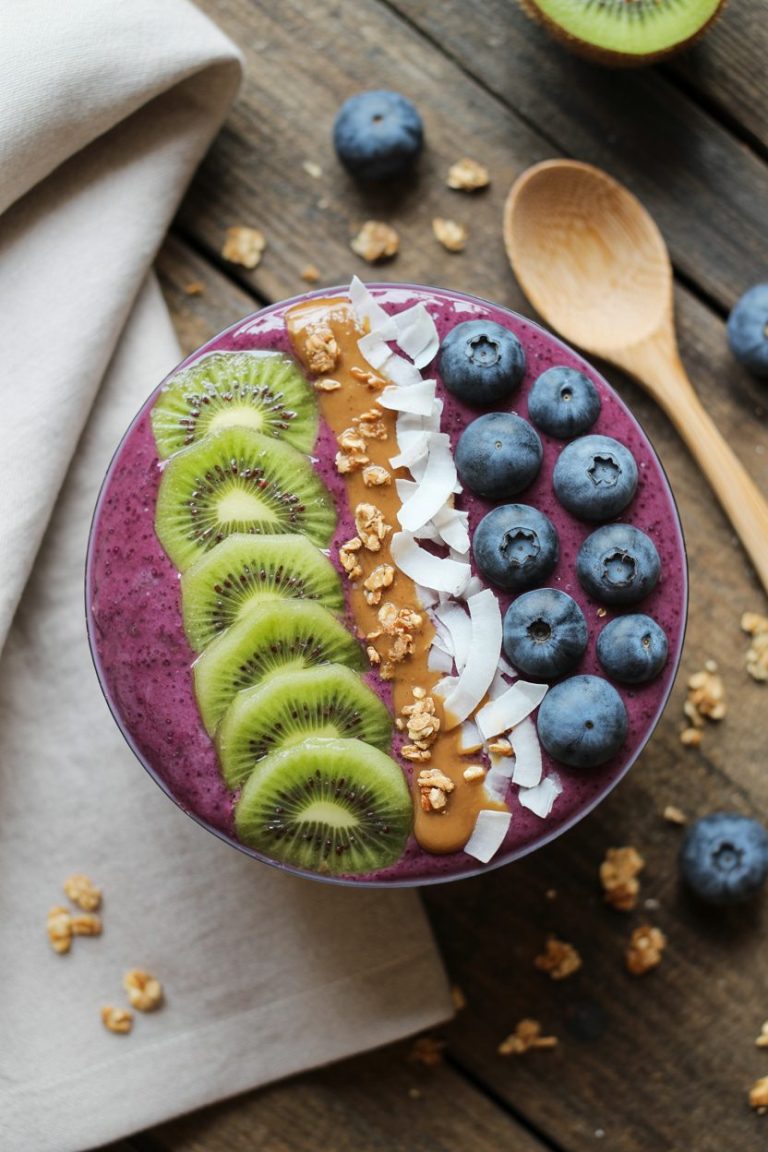
This is the smoothie equivalent of throwing everything good into one blender and hoping for the best. Mango, pineapple, banana, coconut milk, a handful of spinach, and a tablespoon of chia seeds. Make it thick, pour it into a bowl, and top with whatever you want—granola, more fruit, coconut flakes.
It’s not subtle, but neither is vacation. Sometimes you want all the flavors at once, and this delivers.
Looking for ways to meal prep these smoothies ahead? Check out these make-ahead breakfasts for meal prep success to streamline your morning routine.
The Ingredient Combinations That Actually Matter
Here’s something most people don’t know: not all fruit combinations are created equal when it comes to nutrient absorption. That UC Davis study I mentioned earlier found that bananas—despite being smoothie royalty—actually reduce your body’s ability to absorb certain beneficial compounds from berries and cocoa.
Does this mean you should never put bananas in smoothies? No. But if you’re specifically trying to maximize flavanol intake (those compounds linked to heart and brain health), consider using mango, pineapple, or yogurt to get that creamy texture instead.
On the flip side, adding a small amount of healthy fat—like avocado, coconut, or nut butter—helps your body absorb fat-soluble vitamins like A, D, E, and K. So that mango smoothie with a handful of cashews isn’t just tasty; it’s actually helping you get more out of the mango’s beta-carotene.
The Protein Question
Real talk: most fruit smoothies won’t keep you full for long without protein or healthy fats. Greek yogurt is the easiest add, giving you 15-20 grams of protein per cup. If you’re dairy-free, protein powder works, but choose carefully. Many taste like sweetened cardboard.
Nut butters are another solid option. A tablespoon of almond or cashew butter adds protein, healthy fats, and that satisfying richness that makes smoothies feel more substantial. I use almond butter from this brand because it’s just almonds—no added oils or sugar to mess with the flavor.
For more protein-packed options that skip the eggs, these high-protein breakfast ideas with no eggs needed have you covered.
Common Tropical Smoothie Mistakes (And How to Fix Them)
Let’s address the elephant in the blender: most homemade tropical smoothies either turn out too thick, too thin, too sweet, or weirdly brown. Here’s how to avoid all of that.
Too Thick
You got excited with the frozen fruit. I get it. Start with less liquid than you think you need—you can always add more, but you can’t un-add it. If your smoothie’s already too thick, add liquid one tablespoon at a time until it reaches drinkable consistency.
Too Thin
Add frozen fruit or ice. Or blend in some Greek yogurt or avocado for thickness without watering down the flavor. Frozen banana chunks are your emergency thickness backup.
Too Sweet
This happens when you use all sweet fruits with no balance. Add a squeeze of lime or lemon, throw in some spinach, or use unsweetened coconut water as your base instead of fruit juice. Acid and greens both cut sweetness effectively.
Weird Brown Color
Mixing too many different colored fruits creates that murky swamp water look that tastes fine but looks terrible. Stick to a color family—yellows and oranges together, pinks and reds together, greens with yellows. Keep the dark berries away from the tropical fruits unless you’re okay with brown.
Separates After Sitting
This is normal. Just give it a stir or shake before drinking. Adding chia seeds or ground flaxseed helps everything stay more cohesive because they act as natural thickeners and binders.
Making Tropical Smoothies Actually Convenient
The best smoothie is the one you’ll actually make. If it requires 20 minutes of prep every morning, you’ll do it three times and then give up. Here’s how to make this sustainable.
Freeze Your Fruit
Seriously, just do it. Buy fresh fruit when it’s on sale, chop it up, freeze it in portions. I use these freezer-safe containers to portion out single servings. Grab one, dump it in the blender, done.
Frozen fruit is often more nutritious than “fresh” fruit that’s been sitting around for days anyway. It’s picked at peak ripeness and frozen immediately, locking in nutrients.
Prep Smoothie Packs
On Sunday, measure out your dry ingredients—protein powder, chia seeds, whatever—into small containers or bags. In the morning, add the frozen fruit and liquid. This two-minute prep makes weekday mornings actually manageable.
Invest in a Decent Blender
You don’t need a $500 Vitamix (though they’re great). But you do need something powerful enough to handle frozen fruit without making that grinding sound that suggests mechanical suffering. I’ve had this mid-range blender for three years and it handles everything I throw at it.
Keep Pantry Staples Stocked
Canned coconut milk, frozen banana chunks, protein powder, chia seeds, nut butter. If these are always in your kitchen, you can make a decent smoothie even when your fresh produce situation is dire.
If you’re trying to make smoothies work for weight loss goals, these smoothies for weight loss that taste amazing strike that balance between satisfying and sensible.
The Nutrition Reality Check
Let’s be honest for a second. Smoothies can be healthy, or they can be milkshakes masquerading as health food. It all depends on what you put in them.
A smoothie made with whole fruits, vegetables, protein, and healthy fats is legitimately nutritious. It gives you fiber, vitamins, minerals, and sustained energy. But a smoothie made with fruit juice, added sugar, and frozen yogurt that’s basically ice cream? That’s dessert. Nothing wrong with dessert, but let’s call it what it is.
The key is keeping your smoothies mostly whole fruit, not fruit juice. Whole fruit includes fiber, which slows sugar absorption and keeps you fuller longer. Juice is just the sugar without the benefits.
Watch your portions too. It’s easy to blend three bananas, two cups of mango, and a cup of berries without thinking about it, but that’s a lot of fruit in one sitting—more than you’d probably eat whole. Aim for about 1.5 to 2 cups of fruit per smoothie, then bulk it up with greens, protein, and healthy fats if you need more volume.
Sugar Content Real Talk
Tropical fruits are higher in natural sugars than, say, berries or greens. Does that mean they’re bad? No. Your body processes natural fruit sugars differently than added sugars because of that fiber and nutrient package they come in.
That said, if you’re monitoring blood sugar or trying to reduce overall sugar intake, consider mixing tropical fruits with lower-sugar options like spinach, cucumber, avocado, or coconut. A mango-spinach smoothie will have less sugar impact than an all-mango one, and you genuinely won’t taste the difference.
Beyond Breakfast: When to Actually Drink These
Tropical smoothies aren’t just for breakfast, even though that’s when most people default to them. Here are other actually good times to make one:
Post-Workout
That 30-minute window after exercise when your muscles are begging for nutrients? Tropical smoothies work great here. Add protein powder and you’ve got easy post-workout fuel that doesn’t require chewing, which is a win when you’re exhausted.
Afternoon Slump Alternative
That 3 PM energy crash usually sends people to the coffee maker or vending machine. A small tropical smoothie with some protein can revive you without the caffeine jitters or sugar crash that follows candy.
Light Dinner Option
Sometimes you get home late and the thought of cooking is unbearable. A substantial smoothie with protein, healthy fats, and greens is a legitimate meal. Will it win culinary awards? No. Will it get nutrients into your body when the alternative is cereal or takeout? Yes.
For more ideas on keeping breakfast interesting no matter your dietary needs, check out these gluten-free breakfast recipes that don’t taste like diet food.
Tropical Ingredients Worth Seeking Out
Some tropical ingredients are easy to find (looking at you, bananas), while others require a trip to a specialty store or online order. Here’s what’s worth the extra effort.
Frozen Dragon Fruit Packets
These have become more common in grocery stores lately. They’re convenient, consistent, and give you that Instagram-worthy pink color without hunting down fresh dragon fruit that costs $8 each.
Passion Fruit Frozen Pulp
Fresh passion fruit is expensive and messy. The frozen pulp gives you all the flavor in a more practical format. Look for it in Latin markets or the frozen section of international grocery stores.
Coconut Cream (Not Milk)
This is the thick stuff from the top of a can of full-fat coconut milk. It’s richer, creamier, and makes smoothies taste more indulgent. You can buy it separately or just refrigerate a can of coconut milk overnight and scoop the cream off the top.
Real Vanilla Extract
Not vanilla flavor. Real extract. It’s more expensive but transforms smoothies from good to “wait, what did you put in this?” The imitation stuff tastes artificial, especially in something as simple as a smoothie where there’s nowhere for it to hide.
Medjool Dates
These are nature’s caramel. One or two pitted Medjool dates adds natural sweetness and this rich, almost molasses-like depth. Way better than honey or maple syrup in most cases, and they blend smoothly if you soak them in warm water for a few minutes first.
If you’re curious about adding superfood ingredients to your smoothies, these smoothies with superfoods you should be drinking take things to the next level.
Troubleshooting Specific Fruits
Different tropical fruits have different personalities in smoothies. Here’s how to work with each one.
Mango
The most forgiving tropical fruit. Frozen works better than fresh because it’s already peeled and chopped, plus it makes your smoothie cold. Mango’s natural creaminess means you need less yogurt or banana for texture. One cup of frozen mango per smoothie is the sweet spot.
Pineapple
Fresh pineapple is superior to canned for smoothies—the flavor is brighter and it’s less sweet. But frozen chunks are even better than fresh because, again, convenience. Pineapple’s acidity means it pairs well with creamy or sweet ingredients to balance it out.
Papaya
This one needs help. Papaya’s flavor is subtle and can get lost, so pair it with bold ingredients like ginger, lime, or mango. The texture is great though—naturally creamy without being thick. Start with half a cup and adjust from there.
Coconut
Young Thai coconut meat is amazing in smoothies but annoying to extract. Shredded coconut adds texture but doesn’t blend completely smooth. Coconut milk or cream gives you the flavor without the effort. Pick your battle based on your priorities.
Banana
The smoothie workhorse. Freeze them when they get spotty—that’s peak banana sweetness. Peel first unless you enjoy surprise bitterness from the peel. Frozen banana chunks are basically smoothie magic, making everything creamy and naturally sweet.
Kid-Friendly Tropical Smoothies
If you’re trying to get kids on board with tropical smoothies, here’s what actually works. Forget the spinach immediately—they’ll spot it and revolt. Start with fruit they already like, then gradually introduce new things.
The “orange” smoothie (mango, banana, orange juice) is universally accepted because it’s familiar colors and sweet. Once they’re into that, try adding tiny amounts of new fruits. Pineapple usually goes over well. Dragon fruit excites them because it looks cool.
Let them help make it. Kids are way more likely to drink something they had a hand in creating. Give them the banana to peel, let them push the blender button, let them choose between two fruit options. It works.
Also, straws matter more than they should. I keep these reusable smoothie straws around because kids will drink literally anything if it comes through a fun straw. Is it logical? No. Does it work? Absolutely.
Want to Level Up Your Smoothie Game?
If you’re serious about making smoothies a daily habit, having the right tools makes all the difference. I put together a complete guide covering everything from choosing the perfect blender for your budget to must-have prep tools that’ll save you hours each week. It’s packed with honest reviews, side-by-side comparisons, and the exact equipment I use in my own kitchen.
Final Thoughts
Here’s the thing about tropical smoothies: they’re not going to solve all your problems, cure diseases, or replace actual vacations. What they will do is make your mornings a little brighter, pack in nutrients your body actually needs, and taste good enough that you’ll look forward to them instead of choking them down out of obligation.
The best tropical smoothie is the one you’ll actually make consistently. So start with something simple—maybe that classic mango paradise or the pineapple coconut dream—and work your way up to the more adventurous combinations. Keep frozen fruit stocked, don’t overthink it, and remember that even a mediocre homemade smoothie beats most grab-and-go breakfast options.
Will it taste exactly like sitting on a beach in Bali? No. But for three minutes of effort and a few dollars in ingredients, it’s probably the closest you’re getting on a Wednesday morning. And honestly? That’s good enough.
Struggling to Stay Consistent with Healthy Eating?
Here’s something I learned the hard way: smoothies are great, but they’re just one piece of the puzzle. If you’re tired of starting strong on Monday and face-planting into takeout by Wednesday, I wrote an in-depth guide on building a sustainable meal prep system that actually fits real life. No meal prep shaming, no unrealistic expectations—just practical strategies that work even when you’re exhausted.
Inside, you’ll find my exact meal planning templates, shopping strategies that save money, storage solutions that keep food fresh longer, and the kitchen tools that make everything faster. Plus, I break down which convenience products are actually worth buying versus which ones are just marketing hype.
💬 Never Miss a Recipe Update
Want to be the first to know when I post new tropical smoothie variations, seasonal ingredient swaps, or limited-time meal prep challenges? Join our WhatsApp channel where I share behind-the-scenes kitchen experiments, reader recipe wins (and fails), and quick tips that don’t make it to the blog.
It’s like having a friend who’s really into smoothies texting you helpful ideas—minus the annoying group chat spam. One message a day, max. Unsubscribe anytime.