25 Gluten-Free Breakfast Recipes That Don’t Taste Like Diet Food
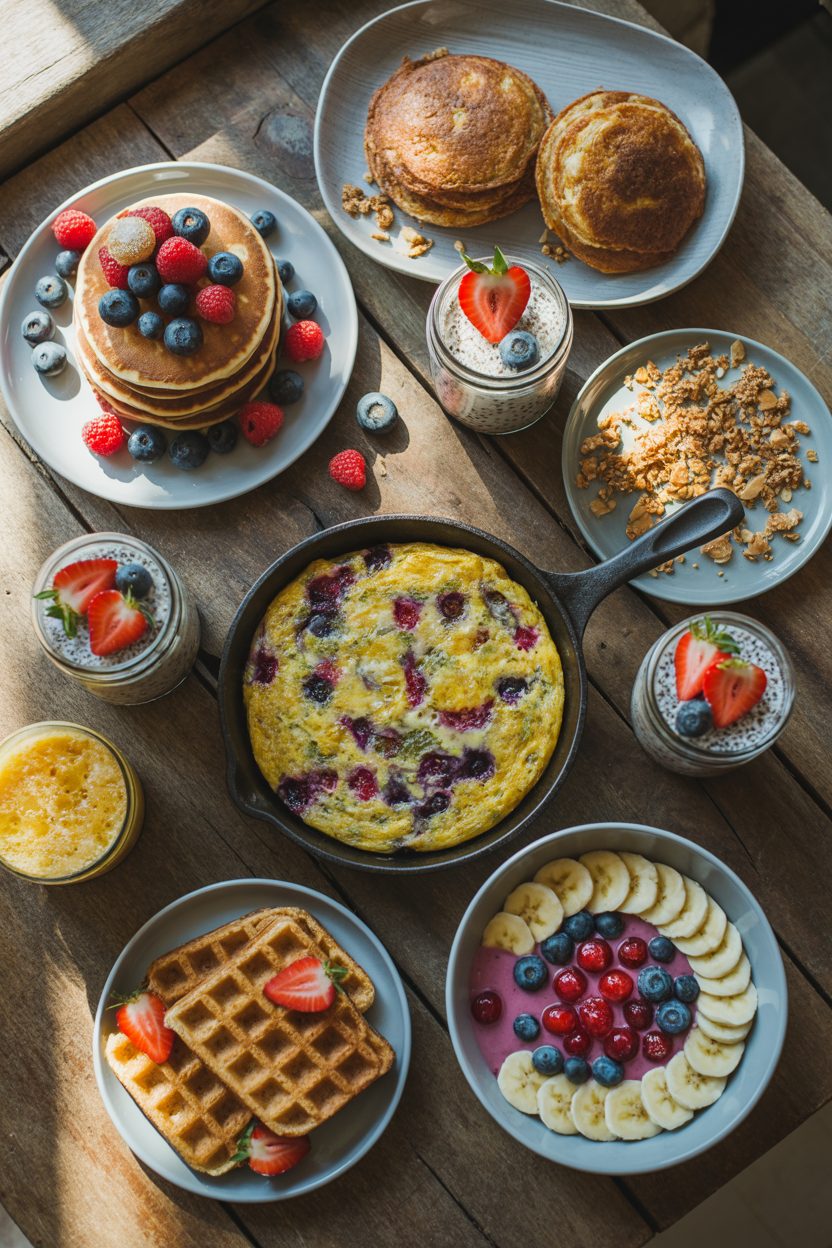
Gluten-free breakfast doesn’t have to mean cardboard toast and sadness. I spent years thinking going gluten-free meant giving up anything that actually tastes good, until I figured out that the problem wasn’t gluten-free food—it was bad gluten-free food. These 25 recipes taste like real breakfast, the kind you’d actually choose to eat even if gluten wasn’t an issue.
Whether you’re celiac, gluten-sensitive, or just experimenting with cutting back on wheat, you deserve breakfast that makes you excited to get out of bed. Not breakfast that makes you question your life choices while chewing flavorless rice cakes.
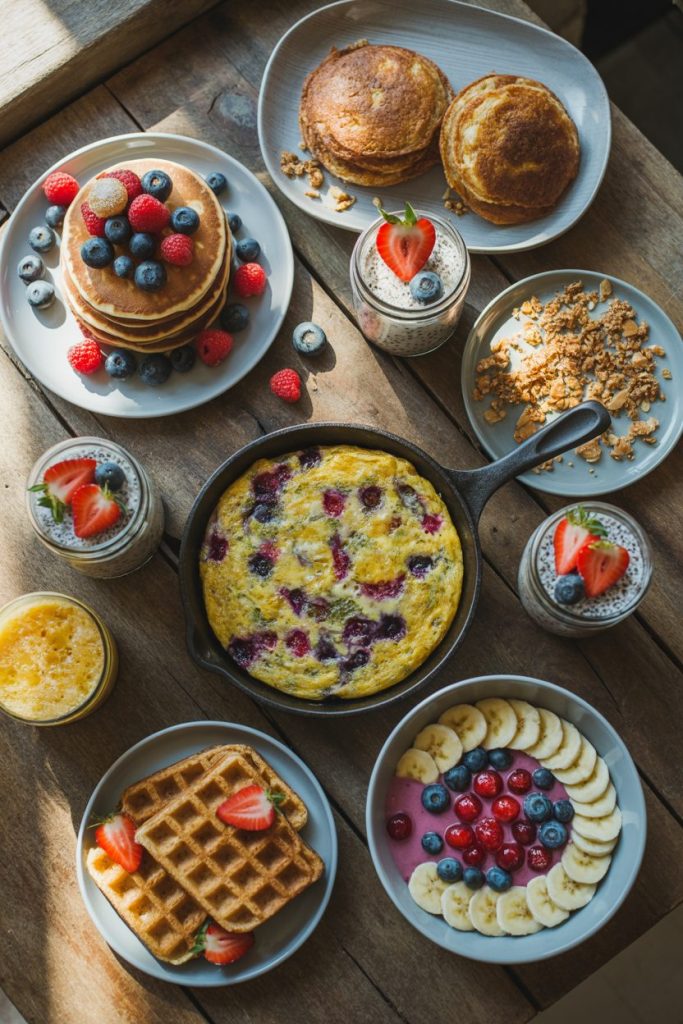
Why Gluten-Free Doesn’t Mean Flavor-Free
Let’s clear something up right away: gluten-free cooking isn’t about deprivation. It’s about using different ingredients that happen to be naturally gluten-free or swapping in alternative flours that actually work.
The secret is understanding that gluten-free alternatives have different properties than wheat flour. Almond flour is dense and moist. Coconut flour absorbs liquid like crazy. Oat flour (make sure it’s certified gluten-free) adds a mild, slightly sweet flavor. Once you know how each one behaves, you stop trying to make them act like wheat flour and start using them for what they’re good at.
According to research from the Celiac Disease Foundation, about 1 in 100 people worldwide have celiac disease, but many more experience non-celiac gluten sensitivity. Either way, you need breakfast options that don’t make you feel like you’re being punished for your digestive system’s opinions.
Key gluten-free flours and what they do best:
- Almond flour: Rich, moist, slightly sweet—perfect for pancakes and muffins
- Coconut flour: Super absorbent, works in small amounts, adds subtle sweetness
- Oat flour: Mild flavor, great binder, adds heartiness
- Rice flour: Neutral flavor, good for crispy textures
- Cassava flour: Closest to wheat flour in behavior, very versatile
Now let’s get into the actual recipes, because theory is boring and you’re probably hungry.
Egg-Based Gluten-Free Winners
Veggie-Loaded Frittata
Six eggs whisked with whatever vegetables you have lurking in your fridge, baked in a cast iron skillet until golden and puffy. It’s naturally gluten-free, packed with protein, and feeds multiple people or gives you breakfast for days.
I usually throw in spinach, bell peppers, onions, and tomatoes because that’s what’s always around. Add cheese if you do dairy—feta or goat cheese are particularly excellent here. The beauty of a frittata is that it’s basically impossible to mess up and it tastes good at any temperature.
Bake at 375°F for about 25 minutes until the center is set. Let it cool slightly before slicing. The edges get slightly crispy while the middle stays creamy, and honestly? It’s better than most restaurant brunch options. Get Full Recipe
Sweet Potato Hash with Fried Eggs
Dice sweet potatoes small, season aggressively, pan-fry in this nonstick pan until crispy, top with fried eggs. The sweet potatoes are naturally gluten-free, loaded with vitamin A, and have this perfect sweet-savory thing happening.
I add peppers and onions to mine because vegetables are good and also because it makes me feel like I’m making responsible adult choices. The crispy sweet potato edges are legitimately addictive—way better than regular potato hash browns.
Season with smoked paprika, garlic powder, salt, and pepper. Top each serving with a fried egg so the yolk runs into the hash and creates instant sauce. This is the breakfast that converts people who think gluten-free means sacrificing flavor.
Cloud Eggs
Separate your eggs, whip the whites until stiff peaks form, fold in cheese and herbs, create nests on a baking sheet, add the yolks back, and bake. They’re naturally gluten-free, ridiculously Instagram-worthy, and taste way better than they have any right to given how weird they look.
The whipped egg whites get crispy on the outside and stay fluffy inside. The yolk stays jammy and rich. It’s like eating savory meringue with an egg center, which sounds strange but works surprisingly well.
These are my weekend breakfast when I want something that feels fancy but requires minimal actual skill. Baking does all the work while I drink coffee and pretend to be a functional human.
Speaking of creative egg dishes, you might also love these vegetable egg muffins or this Spanish tortilla recipe—both are naturally gluten-free and perfect for meal prep.
Pancakes and Waffles That Actually Work
Almond Flour Banana Pancakes
Two mashed bananas, two eggs, half a cup of almond flour, pinch of baking soda, splash of vanilla. Mix, cook, and prepare to be surprised that something this simple actually tastes good.
The bananas add natural sweetness and help bind everything together since gluten-free batters can be finicky. The almond flour makes them rich and slightly nutty. They’re dense in a good way—substantial enough to keep you full without feeling heavy.
Cook these over medium-low heat because almond flour browns faster than regular flour. Don’t rush them or you’ll end up with burned outsides and raw middles. Patience pays off here. Get Full Recipe
Coconut Flour Waffles
Coconut flour is weird—it absorbs liquid like it’s training for the Olympics. You need way less than you think. A quarter cup of coconut flour, six eggs, some coconut milk, baking powder, and vanilla creates a batter that makes legitimately crispy waffles.
I use this Belgian waffle maker because the deep pockets are perfect for holding butter and syrup, which is obviously the entire point of waffles. The coconut flour gives these a subtle sweetness that works perfectly with maple syrup or fresh berries.
Let the batter sit for a few minutes before cooking—coconut flour needs time to absorb the liquid. If you skip this step, your waffles will be weird and your waffle maker will hate you.
Oat Flour Blueberry Pancakes
Blend certified gluten-free oats into flour (or buy it pre-made if you’re not feeling ambitious), mix with eggs, milk, mashed banana, and fresh blueberries. These taste like regular pancakes because oat flour is the most normal-acting of the gluten-free flours.
Make sure your oats are certified gluten-free—regular oats often get contaminated with wheat during processing. This matters a lot for people with celiac disease, less for people just trying to reduce gluten.
The blueberries burst while cooking and create these jammy pockets of sweetness. Top with Greek yogurt instead of syrup for a protein boost, or just use syrup because breakfast rules are fake.
Smoothie Bowls and Quick Blends
Acai Bowl Base
Frozen acai packet, frozen banana, splash of almond milk, blend until thick. Top with granola (make sure it’s gluten-free certified), fresh fruit, coconut flakes, and whatever else makes you happy.
The trick to a good smoothie bowl is keeping it thick enough to eat with a spoon. Use minimal liquid—just enough to get the blender moving. Add more frozen fruit instead of more milk if you need volume.
I prep smoothie bowl bags on Sunday—portion frozen fruit and acai into these freezer bags, then dump one bag in the blender with liquid when I’m ready to eat. Makes weekday mornings infinitely easier when decision-making feels impossible.
Green Protein Power Bowl
Spinach, frozen mango, vanilla protein powder (check the label—most are gluten-free but some aren’t), almond milk, chia seeds. Blend and top with sliced kiwi, hemp seeds, and this gluten-free granola that actually tastes good.
The mango covers any spinach flavor, so you get the nutrition without the “I’m eating plants for breakfast” experience. The protein powder makes it substantial enough to count as real breakfast instead of just a snack.
Frozen mango is cheaper than fresh and makes the bowl thick and creamy. It’s also pre-cut, which means less work and less risk of cutting yourself before coffee. Win-win.
Chocolate Peanut Butter Bowl
Frozen banana, cocoa powder, peanut butter, almond milk, dash of honey if needed. It tastes like dessert, looks like Instagram bait, and contains actual nutrition. The best kind of breakfast deception.
Top with banana slices, cacao nibs, and a drizzle of peanut butter. This is my go-to when I need breakfast to feel like a treat instead of a responsibility.
Make sure your cocoa powder and peanut butter are gluten-free certified if you’re celiac. Pure cocoa and natural peanut butter are naturally gluten-free, but some brands add ingredients that contain gluten.
For more smoothie bowl inspiration, check out these tropical breakfast bowls or this high-protein smoothie guide. They’re all naturally gluten-free and equally delicious.
Muffins and Baked Goods Worth Making
Almond Flour Blueberry Muffins
Almond flour, eggs, honey, coconut oil, baking soda, vanilla, and fresh blueberries. Mix, portion into this silicone muffin pan, bake at 350°F for 20 minutes. They come out moist, fluffy, and shockingly similar to regular muffins.
The almond flour makes these naturally gluten-free and adds protein and healthy fats. They’re sweet enough to feel like a treat but not so sweet that you crash an hour later.
I make a double batch and freeze half. They thaw perfectly and make weekday mornings way less stressful. Pop one in the microwave for 30 seconds and you’ve got warm muffin that tastes fresh-baked. Get Full Recipe
Banana Walnut Bread
Three ripe bananas, almond flour, eggs, walnuts, cinnamon, honey, and baking powder. Mix, pour into a loaf pan, bake. The resulting banana bread is so good that non-gluten-free people won’t realize it’s made with alternative flour.
The bananas need to be properly ripe—like spotty, almost too-far-gone ripe. That’s when they’re sweetest and mash easily. Under-ripe bananas make dense, weird bread that tastes like regret.
Toast a slice and spread it with almond butter for a breakfast that feels indulgent but is actually pretty nutritious. Or just eat it plain because it’s genuinely good enough on its own.
Coconut Flour Lemon Poppy Seed Muffins
Coconut flour, eggs, coconut oil, lemon zest, lemon juice, honey, poppy seeds. The lemon flavor is bright and fresh, cutting through the richness of the coconut flour beautifully.
These are slightly denser than almond flour muffins because coconut flour is just like that. But dense in a good way—like a pound cake instead of like a brick.
Glaze them with a simple powdered sugar and lemon juice mixture if you’re feeling fancy. Or don’t, because they’re great plain and glazing things requires washing more dishes.
Grain-Based Options (Certified Gluten-Free)
Quinoa Breakfast Bowl
Cook quinoa in almond milk instead of water, add cinnamon and vanilla while it cooks, top with fresh berries, sliced almonds, and a drizzle of maple syrup. It’s like oatmeal but with more protein and a nuttier flavor.
Quinoa is naturally gluten-free and packs about 8 grams of protein per cup. It’s also a complete protein, meaning it contains all nine essential amino acids. According to Harvard School of Public Health, this makes it particularly valuable for plant-based eaters.
Rinse your quinoa before cooking or it’ll taste bitter. Most people skip this step and then wonder why quinoa tastes weird. Don’t be most people.
Overnight Oats with Chia Seeds
Certified gluten-free oats, chia seeds, almond milk, vanilla, and your choice of toppings. Mix everything in a jar the night before, wake up to breakfast that’s already done.
The chia seeds add omega-3s and help thicken the oats into pudding consistency. The whole thing requires literally no cooking, which is perfect for mornings when you can barely remember your own name.
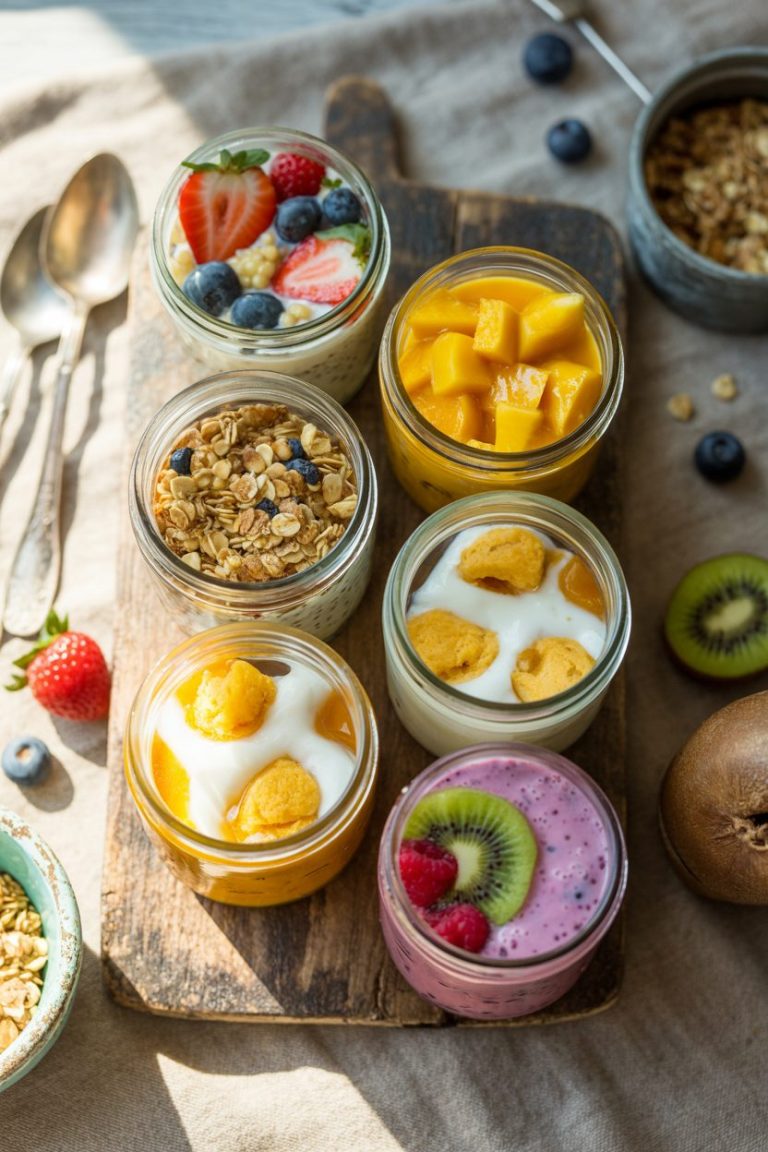
I make five jars on Sunday with different flavor combinations—berry, chocolate peanut butter, apple cinnamon, banana walnut, and tropical. Having breakfast variety without having to cook five different things is peak efficiency. Get Full Recipe
Gluten-Free Granola
Certified gluten-free oats, nuts, seeds, coconut oil, maple syrup, cinnamon, vanilla. Spread on a baking sheet, bake at 325°F for 25-30 minutes, stirring halfway. It comes out crispy and clustery and way better than store-bought.
Most commercial granolas either contain gluten or taste like sweetened cardboard. Making your own means controlling the ingredients and the sweetness level. Plus your kitchen smells amazing while it bakes, which is a bonus.
Store it in an airtight container and it stays crispy for weeks. Eat it with yogurt, sprinkle it on smoothie bowls, or just eat it by the handful like cereal. No judgment—I do this regularly.
If you’re into make-ahead breakfast options, these gluten-free breakfast bars or this meal prep overnight oats guide are both lifesavers for busy mornings.
Toast and Bread Alternatives
Sweet Potato Toast
Slice a sweet potato lengthwise into quarter-inch planks, toast them in your toaster or toaster oven until tender and slightly crispy on the edges. Top with avocado, nut butter, eggs, or whatever sounds good.
The sweet potato provides complex carbs and fiber without any need for bread. It’s naturally gluten-free, loaded with vitamin A, and has a subtle sweetness that works with both savory and sweet toppings.
I meal prep these by slicing several sweet potatoes on Sunday and keeping the raw slices in the fridge. Then I just pop them in the toaster when I need them. Takes about two toasting cycles to get them fully cooked.
Gluten-Free Avocado Toast
Use actual good gluten-free bread—not the sad, crumbly stuff that falls apart when you look at it wrong. This gluten-free sourdough is the best I’ve found—it toasts well and has actual flavor.
Mash avocado on top, add everything bagel seasoning, squeeze of lime, maybe a fried egg if you’re feeling ambitious. It’s the same avocado toast everyone else eats, except you won’t feel terrible afterward.
Good gluten-free bread exists, but you have to be willing to pay for it or make your own. The cheap stuff is universally disappointing and makes you think all gluten-free bread is sad. It’s not—it’s just that bad gluten-free bread is really bad. Get Full Recipe
Almond Flour Tortilla Breakfast Wrap
Mix almond flour with an egg and a pinch of salt to make a pliable tortilla. Cook it in a pan, fill with scrambled eggs, cheese, salsa, and avocado. Roll it up and you’ve got a breakfast burrito situation.
The almond flour tortilla is more delicate than wheat tortillas, so handle it gently. But it holds together better than you’d expect and tastes nutty and slightly sweet.
This is my grab-and-go breakfast when I’m running late but still want something substantial. Make extra tortillas and keep them in the fridge—they reheat well and save time during the week.
Creative Options That Break the Mold
Cauliflower Hash Browns
Grate cauliflower, squeeze out the moisture (seriously, squeeze hard), mix with egg and seasoning, form into patties, pan-fry until crispy. They’re naturally gluten-free and taste shockingly similar to potato hash browns.
The key is removing as much moisture as possible. Wrap the grated cauliflower in a clean kitchen towel and twist it like you’re wringing out laundry. If you skip this step, your hash browns will be soggy and disappointing.
These are lower in carbs than potato versions, which some people care about. I mostly care that they’re crispy and delicious and pair perfectly with eggs and hot sauce.
Zucchini Fritters
Grated zucchini, eggs, almond flour, cheese, herbs. Form into patties and pan-fry until golden. They’re savory, satisfying, and a sneaky way to eat vegetables for breakfast.
Again with the moisture removal—zucchini is like 95% water and will turn your fritters into mush if you don’t squeeze it dry first. Learn from my soggy mistakes.
Top with Greek yogurt or sour cream and fresh herbs. Eat them alone or as a side to eggs. Either way, they’re proof that gluten-free breakfast can be interesting and delicious.
Shakshuka
Tomato sauce simmered with peppers and spices, eggs poached directly in the sauce. It’s Middle Eastern, naturally gluten-free, and absolutely packed with flavor.
Make the sauce in a large skillet—canned tomatoes, bell peppers, onions, garlic, cumin, paprika. Let it simmer until thick, then crack eggs directly into the sauce. Cover and cook until the eggs are set but the yolks are still runny.
Serve with gluten-free bread for dipping or just eat it with a spoon. This is weekend breakfast when you have time to actually cook and want something that feels special. IMO, shakshuka is criminally underrated as a breakfast option.
Quick Grab-and-Go Solutions
Hard Boiled Eggs with Fruit
Six eggs, an apple, done. It’s not revolutionary but it’s naturally gluten-free, requires zero cooking skill, and actually keeps you full.
I use this electric egg cooker that makes perfect hard boiled eggs without me having to think about it. Set it, walk away, come back to eggs that peel easily and taste good.
This is my emergency breakfast when I’m running late or traveling. Pack them in a container, add some fruit, and you’ve got portable breakfast that won’t make you hangry by 10 AM. FYI, this combo is especially useful during busy work weeks when thinking about breakfast feels impossible.
Chia Pudding Cups
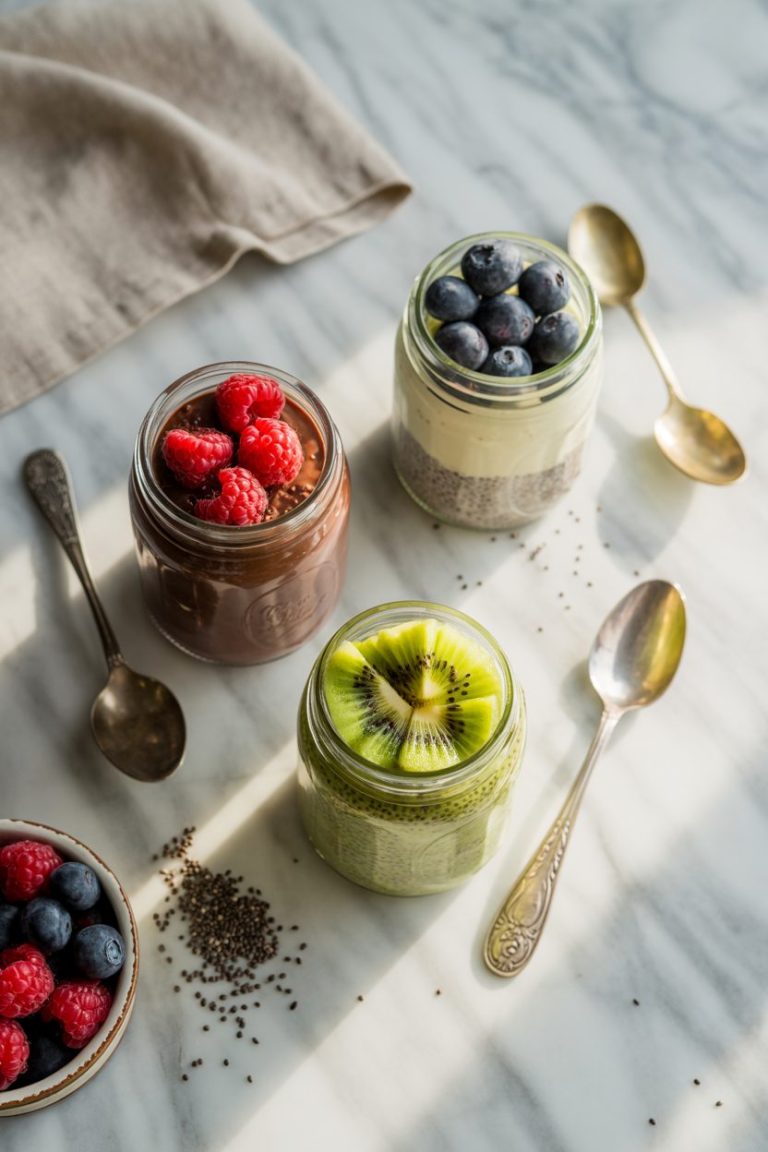
Chia seeds, almond milk, vanilla, maple syrup. Mix in a jar, refrigerate overnight, top with fruit. It’s naturally gluten-free, takes three minutes to assemble, and stays good in the fridge for days.
The chia seeds absorb the liquid and create this tapioca-like texture that’s either weirdly satisfying or off-putting depending on your texture preferences. I’m firmly in the “weirdly satisfying” camp.
Make several jars at once with different flavor combinations. Berry, chocolate, mango coconut, vanilla bean, coffee. Having variety makes it easier to stick with healthy breakfast habits.
Greek Yogurt Parfait
Layer Greek yogurt with gluten-free granola and fresh berries. Make sure your granola is certified gluten-free—regular granola almost always contains oats that aren’t safe for celiacs.
The yogurt provides protein and probiotics. The berries add fiber and antioxidants. The granola adds crunch and makes it feel like you’re eating something more interesting than just yogurt.
This is my desk breakfast for mornings when I forget breakfast exists until I’m already at work. Keep granola in your desk drawer and you can turn any yogurt cup into a proper meal.
For more quick breakfast solutions, try these gluten-free breakfast cookies or this protein-packed smoothie meal prep guide—both are lifesavers when mornings feel overwhelming.
Sweet Treats That Happen to Be Gluten-Free
Coconut Flour Crepes
Coconut flour, eggs, coconut milk, tiny bit of sugar. Blend smooth, pour thin layers into a hot pan, flip when edges curl. Fill with berries and whipped cream or Nutella or lemon and sugar.
Coconut flour crepes are naturally gluten-free and surprisingly authentic. They’re thin, delicate, and pliable enough to fold or roll without breaking.
The batter needs to be thin—thinner than you think. Start with more liquid than seems right. You can always thicken it, but fixing too-thick batter is harder.
Almond Flour Cinnamon Rolls
Almond flour dough rolled with cinnamon-sugar filling, baked, and topped with cream cheese frosting. They’re legitimately good enough that you won’t miss wheat flour versions.
Making gluten-free cinnamon rolls sounds ambitious, but the almond flour dough is actually easier to work with than yeast dough. No rising time, no kneading, just mix and roll.
These are weekend breakfast when you want to feel like you accomplished something impressive. Or when you want to impress brunch guests without admitting that gluten-free baking is often simpler than traditional baking. Get Full Recipe
Chocolate Chip Banana Bread Muffins
Banana bread batter with chocolate chips, baked in muffin form for faster cooking and better portion control. They’re sweet enough to feel like dessert but not so sweet that they’re basically cupcakes.
Use ripe bananas and good quality chocolate chips. The chocolate should be naturally gluten-free (most is), but check labels if you’re celiac because some manufacturers add gluten-containing ingredients.
These freeze beautifully. Make a double batch, freeze half, and you’ve got breakfast or snacks ready when you need them. Thaw overnight in the fridge or microwave for 30 seconds.
Related Recipes You’ll Love
Want more gluten-free breakfast inspiration? Here are some recipes that’ll keep your mornings delicious and safe:
More Gluten-Free Morning Options:
- Gluten-Free Breakfast Casserole Ideas
- Dairy-Free and Gluten-Free Smoothies
Quick Make-Ahead Choices:
- Gluten-Free Breakfast Meal Prep Guide
- No-Bake Gluten-Free Energy Balls
Special Occasion Breakfasts:
- Gluten-Free Brunch Menu Planning
- Gluten-Free Pancake and Waffle Variations
Making Gluten-Free Breakfast Actually Sustainable
Here’s the reality check: gluten-free eating is easiest when you focus on foods that are naturally gluten-free instead of trying to replace every wheat-based food with a gluten-free version. Eggs, fruits, vegetables, yogurt, rice, quinoa, potatoes—these are all naturally gluten-free and don’t require special products or complicated recipes.
Stock your pantry with these essentials:
- Certified gluten-free oats
- Almond flour and coconut flour
- Chia seeds and flax seeds
- Rice and quinoa
- Good quality gluten-free bread (frozen keeps longer)
- Naturally gluten-free nut butters
Read labels obsessively if you’re celiac. Cross-contamination is real and matters. “Gluten-free” claims on packaging aren’t regulated the same way everywhere, so look for certified gluten-free labels when possible.
Meal prep is your friend. Make batches of muffins, granola, frittatas, or overnight oats on Sunday. Having gluten-free options ready to grab makes weekday mornings infinitely easier and reduces the temptation to grab something unsafe when you’re rushed.
Don’t try to make everything from scratch. Some gluten-free products are actually good now. Find brands you like and keep them stocked. Your time and sanity have value, and not everything needs to be homemade to be good.
The goal is finding a routine that works for your life, your budget, and your taste preferences. Gluten-free breakfast doesn’t have to be complicated or expensive or taste like cardboard. It just has to be food you actually want to eat.
These 25 recipes prove that gluten-free breakfast can be delicious, satisfying, and completely normal. No special ingredients that cost your rent. No weird substitutions that make everything taste off. Just good food that happens to be safe for people who can’t eat gluten.
Now go make something that tastes good and doesn’t wreck your digestive system. That’s the entire point of this whole exercise.