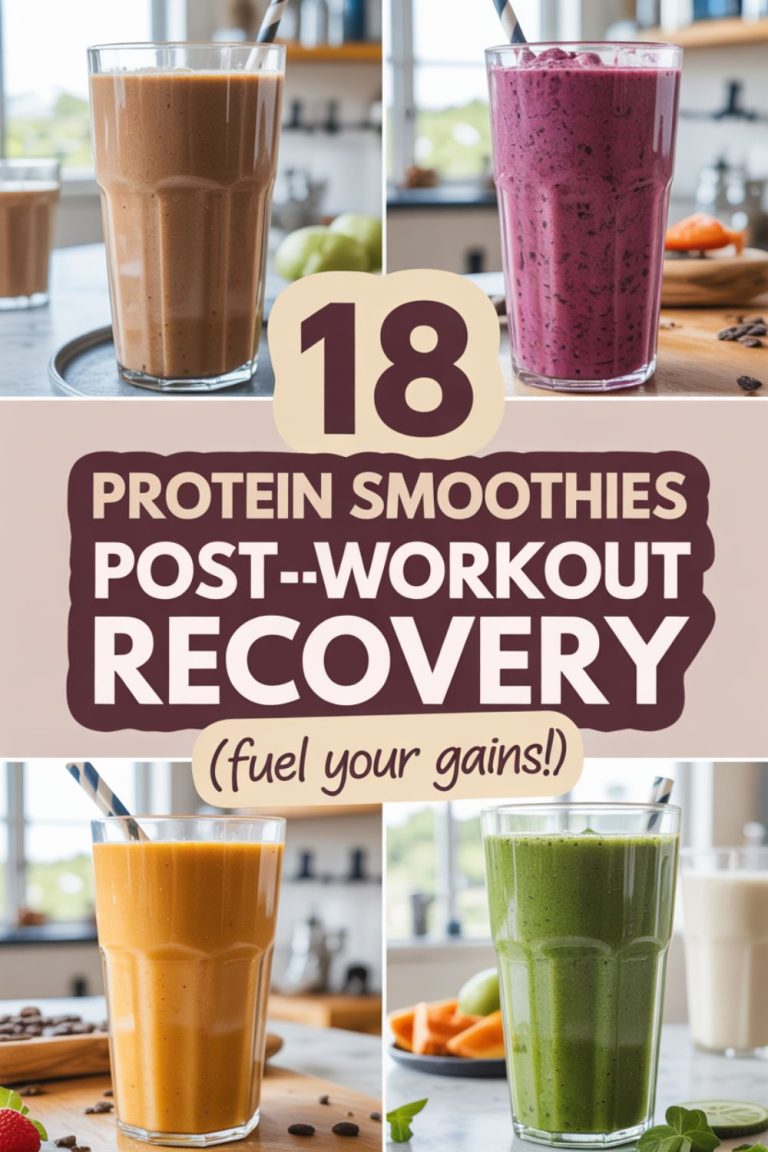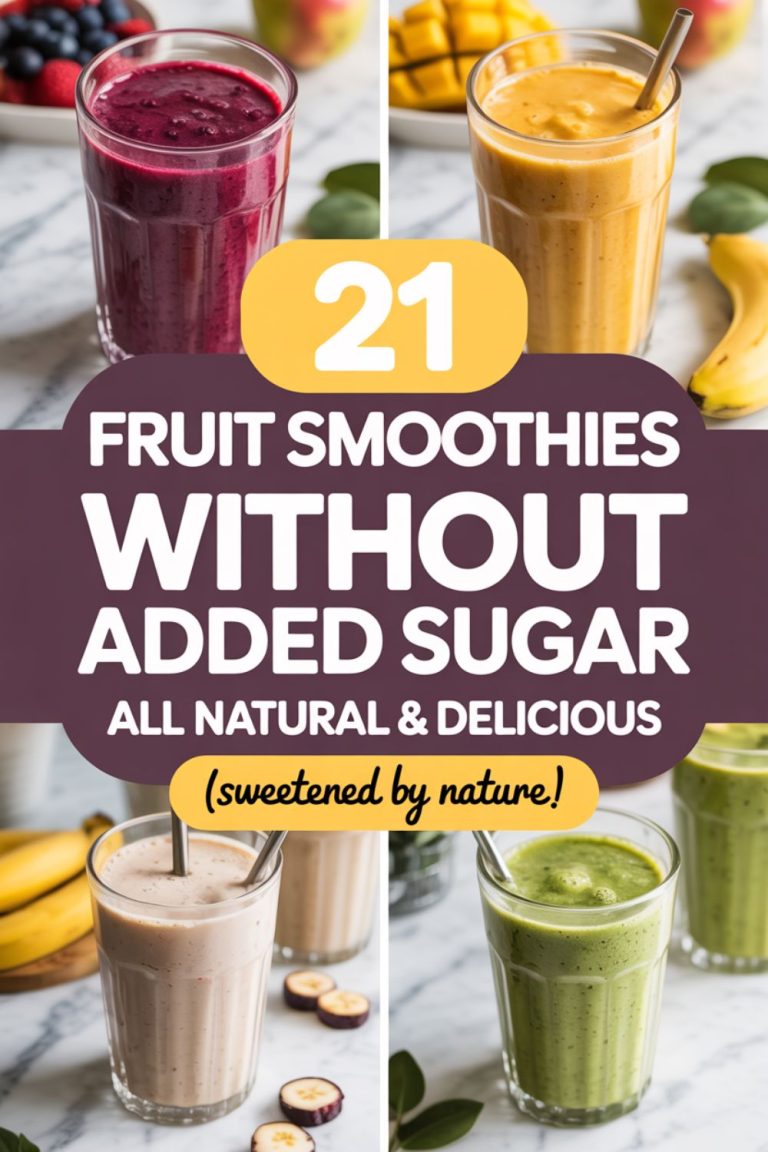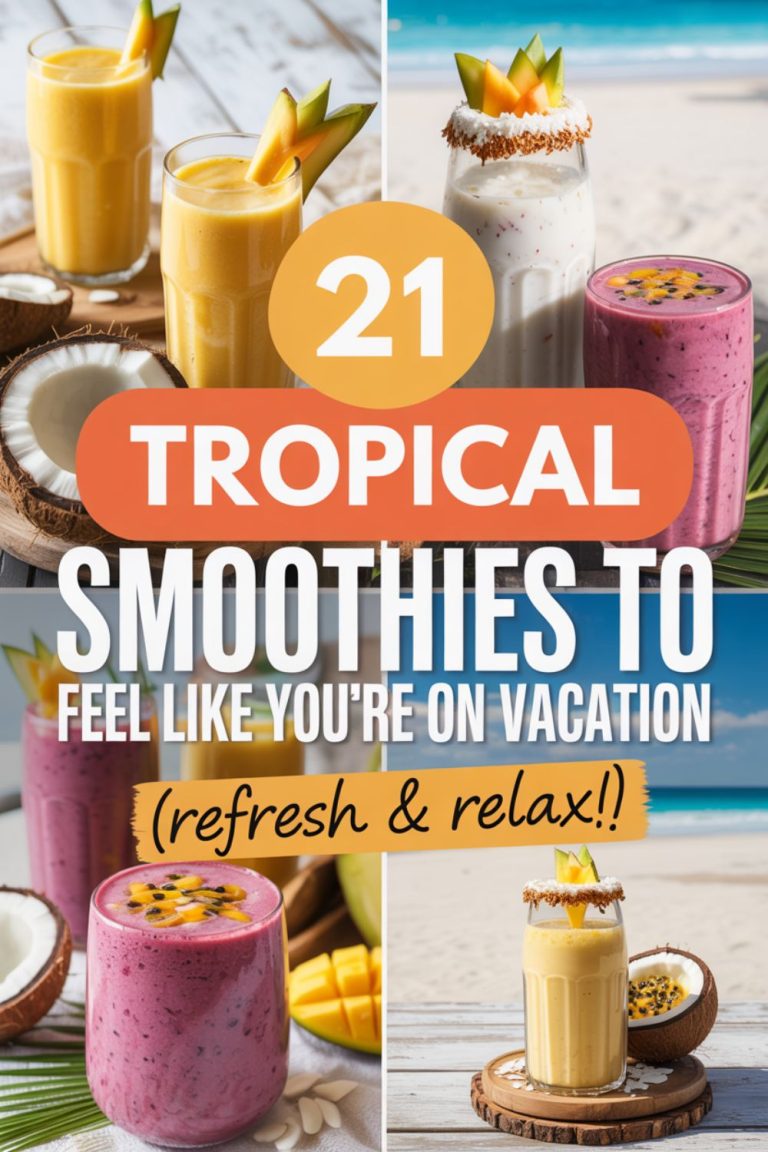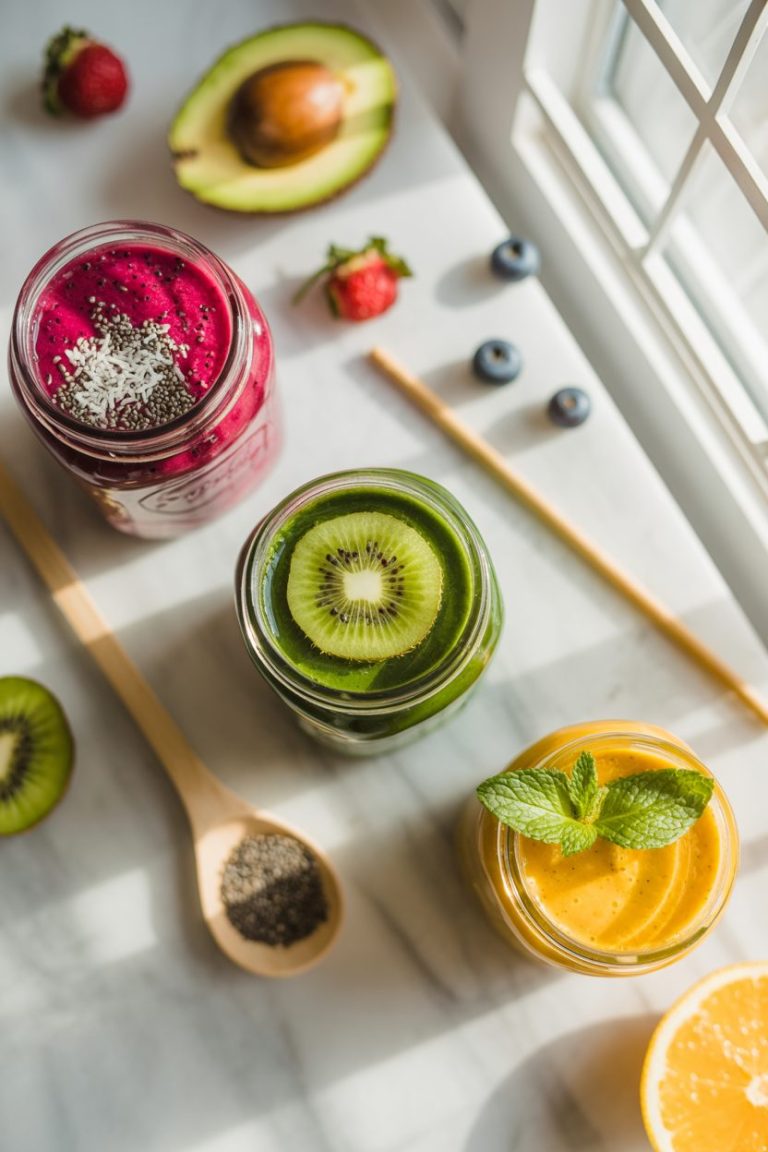
21 Vegan Smoothie Recipes Packed with Plant Protein
Vegan smoothies don’t have to be glorified fruit juice that leaves you hungry an hour later. I’m talking about real, protein-packed smoothies that actually fuel your day without relying on whey powder or Greek yogurt. Whether you’re fully plant-based or just trying to eat less animal products, getting enough protein in a smoothie takes a little strategy—but it’s totally doable.
I’ve been making vegan smoothies for years, and I’ve figured out which combinations actually work and which ones taste like blended grass clippings. The secret? Layering different protein sources and knowing which ingredients give you the best texture without dairy. Let me walk you through 21 smoothie recipes that prove plant-based protein can be delicious, filling, and ridiculously easy to make.
Understanding Plant-Based Protein Sources
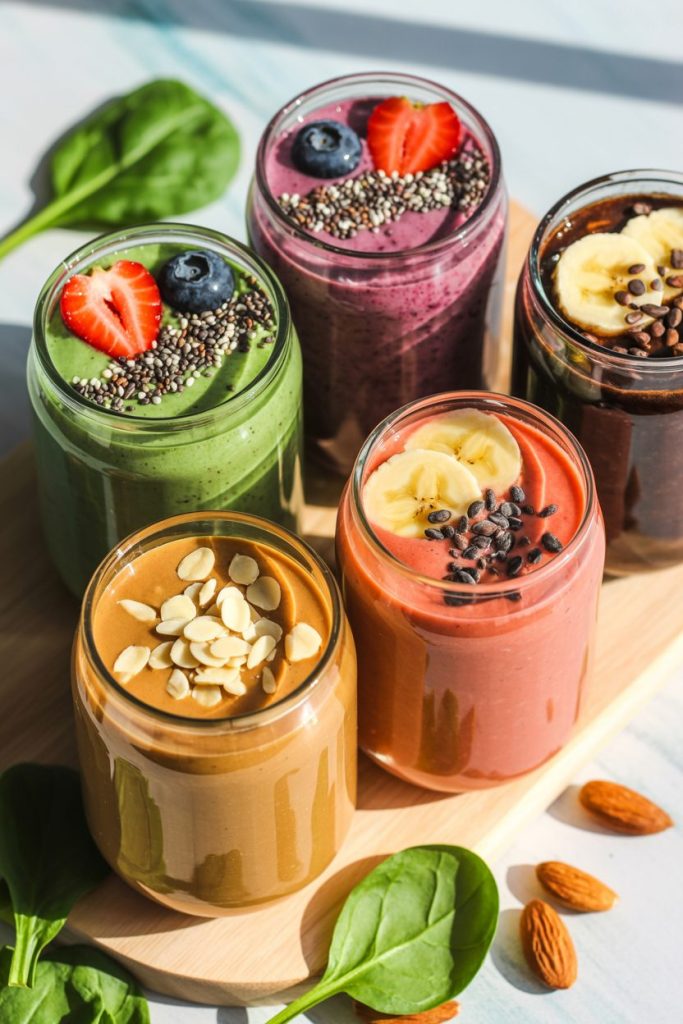
Before we jump into recipes, let’s talk about what actually adds protein to vegan smoothies. You can’t just toss in a banana and spinach and call it high-protein—you need strategic ingredients.
Protein powders are the obvious choice. Pea protein, hemp protein, rice protein, and blends work great in smoothies. Most give you 15-25 grams of protein per scoop. Just know that some taste chalkier than others, and hemp has a distinct earthy flavor.
Nut and seed butters pack protein and healthy fats. Two tablespoons of peanut butter or almond butter adds about 7-8 grams of protein. Tahini (sesame seed butter) is underrated and adds a unique flavor with similar protein content.
Silken tofu sounds weird in a smoothie, but it creates the creamiest texture and adds about 10 grams of protein per half cup. You literally can’t taste it when you blend it with fruit and other flavors.
Hemp hearts, chia seeds, and flax seeds all contribute protein plus omega-3s. Three tablespoons of hemp hearts give you about 10 grams of protein. Chia and flax add texture and help thicken your smoothie too.
Plant-based milk and yogurt make a difference. Soy milk has about 7 grams of protein per cup, while almond milk has maybe 1 gram. Coconut yogurt alternatives vary, but some brands pack 5-8 grams per serving.
According to research on plant protein quality, combining different plant protein sources throughout the day ensures you get all essential amino acids your body needs. Study on complementary plant proteins You don’t need to stress about combining them perfectly in every single smoothie—just vary your sources.
Berry-Based Protein Smoothies
1. Triple Berry Protein Blast
Mixed berries, vanilla pea protein powder, almond butter, spinach, and oat milk create this purple powerhouse. The berries mask the protein powder flavor completely, and you’re getting about 25 grams of protein per serving.
I use frozen berries for this—they’re cheaper than fresh and make your smoothie cold without watering it down with ice. frozen berry mix
Get Full Recipe – Triple Berry Vegan Protein Smoothie
2. Strawberry Banana Protein Shake
Classic combo, but amped up. Strawberries, banana, hemp protein powder, hemp hearts, and soy milk. It’s sweet, creamy, and hits about 20 grams of protein. This is my go-to when I want something that tastes like a milkshake but actually has nutrition.
3. Blueberry Almond Butter Smoothie
Blueberries, almond butter, vanilla protein powder, flax seeds, and almond milk. The almond butter makes it rich and satisfying, and the combo of protein powder plus nut butter pushes you to around 22 grams of protein.
4. Raspberry Coconut Cream
Raspberries, coconut yogurt, vanilla protein powder, shredded coconut, and coconut milk. It’s tart, tropical, and creamy. If you like raspberry coconut desserts, you’ll love this for breakfast.
Green Smoothies That Don’t Suck
5. Peanut Butter Green Machine
Spinach, banana, peanut butter, vanilla protein powder, and oat milk. The peanut butter completely overpowers the spinach taste—you get all the nutrients without the “I’m drinking salad” experience. About 28 grams of protein in this one.
6. Tropical Green Goddess
Spinach, mango, pineapple, silken tofu, coconut milk, and hemp hearts. The tropical fruit makes it sweet, the tofu makes it creamy, and nobody would ever guess there’s tofu in there. Trust me on this—silken tofu is a game changer for texture.
Get Full Recipe – Tropical Green Protein Smoothie
7. Mint Chocolate Chip Green Smoothie
Spinach, banana, cacao powder, peppermint extract, vanilla protein powder, and almond milk. Add cacao nibs for texture. It tastes like mint chocolate ice cream, and the spinach disappears completely behind the chocolate and mint flavors.
8. Apple Cinnamon Green Smoothie
Spinach, apple, cinnamon, vanilla protein powder, almond butter, and oat milk. It’s like drinking apple pie but with actual nutrition. The apple adds natural sweetness so you don’t need much additional sweetener.
For more plant-based breakfast inspiration, check out these vegan breakfast bowl ideas and this plant-based meal prep guide to keep your protein intake high all week.
Chocolate Protein Smoothies
9. Double Chocolate Peanut Butter
Chocolate protein powder, cacao powder, peanut butter, banana, and soy milk. This is basically a Reese’s cup in smoothie form. It’s decadent, filling, and packs about 30 grams of protein depending on your protein powder brand.
I use a high-speed blender for these—makes everything smooth and creamy without chunks. high-speed blender
10. Chocolate Cherry Almond
Frozen cherries, chocolate protein powder, almond butter, almond milk, and a handful of spinach (optional, honestly). The cherry-chocolate combo is chef’s kiss, and you’re still getting 25+ grams of protein.
11. Chocolate Hazelnut Dream
Chocolate protein powder, hazelnut butter, banana, cacao nibs, and oat milk. If you’re a Nutella fan, this hits that same flavor profile but with way more protein and no refined sugar.
12. Mocha Protein Smoothie
Chocolate protein powder, cold brew coffee, banana, almond butter, and almond milk. Your caffeine and protein in one drink. Perfect for those mornings when you need both but don’t have time for coffee and breakfast separately.
Tropical and Fruity Options
13. Mango Coconut Protein
Mango, coconut yogurt, vanilla protein powder, shredded coconut, coconut milk, and hemp hearts. It’s like a tropical vacation in a glass, and the coconut yogurt adds creaminess plus extra protein.
14. Pineapple Ginger Zinger
Pineapple, fresh ginger, vanilla protein powder, hemp hearts, and coconut milk. The ginger adds this bright, zingy flavor that wakes you up. Great for digestion too, if you’re into that kind of thing.
15. Peach Vanilla Cream
Frozen peaches, vanilla protein powder, cashew butter, oat milk, and cinnamon. Cashew butter is milder than almond or peanut butter, so you really taste the peach flavor. About 24 grams of protein per serving.
Get Full Recipe – Peach Protein Smoothie
16. Papaya Lime Protein Shake
Papaya, lime juice, vanilla protein powder, hemp hearts, and coconut water. It’s refreshing, slightly tangy, and the papaya makes it super creamy. FYI, papaya also has digestive enzymes that can help with bloating.
Dessert-Inspired Smoothies
17. Banana Bread Smoothie
Banana, walnuts, cinnamon, nutmeg, vanilla protein powder, oat milk, and a date for sweetness. It genuinely tastes like banana bread but takes two minutes to make and has 25 grams of protein.
I keep a jar of pitted dates in my pantry specifically for smoothies—they blend easily and add natural sweetness without refined sugar. pitted Medjool dates
18. Carrot Cake Protein Shake
Grated carrot, banana, walnuts, cinnamon, ginger, vanilla protein powder, and almond milk. Sounds weird, tastes amazing. The carrot adds natural sweetness and moisture without making it taste like vegetables.
19. Pumpkin Spice Protein Smoothie
Pumpkin puree, banana, pumpkin pie spice, vanilla protein powder, almond butter, and oat milk. Perfect for fall, but honestly, I make this year-round because it’s that good. About 27 grams of protein and tastes like pumpkin pie.
20. Apple Pie Protein Smoothie
Apple, oats, cinnamon, vanilla protein powder, almond butter, and oat milk. The oats make it thick and filling, plus they add extra fiber and a little protein. It’s like drinking apple pie a la mode.
Speaking of protein-packed options, you might also enjoy these high-protein breakfast ideas without eggs and overnight oats recipes for more ways to start your morning with solid nutrition.
Unique Flavor Combinations
21. Matcha Vanilla Protein
Matcha powder, banana, vanilla protein powder, hemp hearts, spinach, and oat milk. The matcha gives you a gentle caffeine boost plus antioxidants, and the hemp hearts add protein and omega-3s. About 22 grams of protein total.
IMO, matcha is underrated in smoothies. It adds this earthy, slightly sweet flavor that’s completely different from coffee but still gives you energy without the jitters.
The Best Blender for Vegan Smoothies
Let’s be real—a good blender matters. I tried making smoothies with a cheap blender for years, and it was frustrating. Chunks of frozen fruit, unmixed protein powder, bits of spinach floating around. Not cute.
A high-powered blender changes everything. It pulverizes frozen fruit, blends silken tofu until it’s perfectly smooth, and incorporates protein powder without leaving clumps. You don’t need to spend $500 on a Vitamix (though they’re great if you can), but investing in something with at least 1000 watts makes a huge difference.
The wide-mouth containers also matter for easy cleaning—nothing worse than trying to scrub dried smoothie out of narrow corners. wide-mouth blender bottles
Boosting Protein Without Protein Powder
Not everyone wants protein powder in their smoothies. Maybe you don’t like the taste, maybe it bothers your stomach, or maybe you just prefer whole foods. Here are ways to boost protein naturally:
Silken tofu: Seriously, try it. Half a cup adds 10 grams of protein and makes your smoothie incredibly creamy. You cannot taste it when blended with fruit.
Hemp hearts: Three tablespoons give you 10 grams of protein. They blend in seamlessly and don’t change the flavor much.
Nut butter combos: Use 2-3 tablespoons instead of just one. Mixing peanut butter and almond butter gives you variety in flavor and amino acid profiles.
Oats: A quarter cup of oats adds about 5 grams of protein plus makes your smoothie more filling. Soak them first if your blender isn’t super powerful.
Chia and flax seeds: Two tablespoons of each adds about 6 grams of protein combined, plus healthy fats and fiber that keep you full longer.
Research shows that whole food protein sources can be just as effective as protein powder for building and maintaining muscle when you consume adequate amounts. Whole food protein vs supplemental protein study The key is getting enough throughout the day.
Getting the Texture Right
Texture makes or breaks a smoothie. Too thin and it’s basically juice. Too thick and you’re eating it with a spoon, which defeats the purpose of a smoothie.
Here’s what I’ve learned about texture:
Frozen fruit is your friend: It makes smoothies cold and thick without diluting them with ice. I keep bags of frozen mango, berries, and banana chunks always stocked.
Liquid ratios matter: Start with less liquid than you think you need. You can always add more, but you can’t take it away. I usually start with about a cup of plant milk and add more if needed.
Silken tofu and frozen banana create the creamiest texture. If you want that milkshake consistency without dairy, these two ingredients are essential.
Hemp hearts and chia seeds thicken smoothies naturally. Let chia seeds sit in your liquid for a few minutes before blending for maximum thickness.
Dates and nut butters add body and richness. A couple of dates plus a tablespoon of nut butter makes everything more satisfying and substantial.
I use reusable silicone bags for storing my frozen fruit portions—way better than dealing with ice crystals in opened packages. reusable silicone storage bags
Meal Prep Tips for Smoothie Success
Making smoothies consistently happens way more often when you prep ahead. Here’s my system:
Freezer smoothie packs: Portion out all your solid ingredients (fruit, spinach, seeds) into individual freezer bags. In the morning, dump one pack into your blender, add liquid and protein powder, blend, done.
Pre-measure protein additions: I keep small containers with pre-measured portions of hemp hearts, chia seeds, and protein powder ready to go. No measuring half-asleep at 6 AM.
Rotate your greens: Don’t eat spinach every single day. Alternate between spinach, kale, frozen cauliflower (yes, really), and going green-free some days. Variety matters for getting different nutrients.
Keep frozen bananas on hand: Peel ripe bananas, break them into chunks, freeze them in a bag. They’re perfect for adding creaminess and natural sweetness to any smoothie.
Invest in good storage: I use glass mason jars with lids for storing prepped smoothies if I make them the night before. mason jars with lids They keep everything fresh and are easy to grab on your way out.
Common Vegan Smoothie Mistakes
I’ve made every vegan smoothie mistake possible, so let me save you some trouble:
Using water instead of plant milk: Water makes smoothies thin and boring. Spend the extra money on oat milk or soy milk—the protein content and creaminess are worth it.
Skipping fat sources: Protein alone doesn’t keep you full. Add nut butter, avocado, or coconut to make your smoothie more satiating.
Going too heavy on fruit: Yes, fruit is healthy, but loading up a smoothie with four bananas and three cups of mango will spike your blood sugar. Balance fruit with protein, fat, and vegetables.
Not blending long enough: Give your blender time to work, especially with frozen ingredients. Most smoothies need 45-60 seconds of blending for perfect consistency.
Forgetting about temperature: If your ingredients are all room temperature, your smoothie will be lukewarm and weird. Use frozen fruit or add ice to keep it cold.
Protein Content Breakdown
Let’s talk actual numbers because “high protein” means different things to different people. Here’s what you’re looking at with common vegan protein sources:
- Pea protein powder (1 scoop): 20-25g
- Hemp protein powder (1 scoop): 15-20g
- Silken tofu (1/2 cup): 10g
- Peanut butter (2 tbsp): 8g
- Almond butter (2 tbsp): 7g
- Hemp hearts (3 tbsp): 10g
- Chia seeds (2 tbsp): 4g
- Flax seeds (2 tbsp): 3g
- Soy milk (1 cup): 7g
- Oat milk (1 cup): 3g
- Oats (1/4 cup): 5g
Combining several sources in one smoothie easily gets you to 25-30+ grams of protein. The recipes I’ve shared typically hit that range, which is solid for a meal replacement.
Sweetening Without Refined Sugar
Most fruits add enough natural sweetness, but sometimes you want a little extra without adding refined sugar. Here’s what works:
Dates: Blend them in and they disappear completely while adding caramel-like sweetness. Two or three Medjool dates usually do the trick.
Ripe bananas: The riper the better. Those brown-spotted bananas you’re about to throw away? Perfect for smoothies.
Maple syrup: Real maple syrup adds a distinct flavor that works great with certain combinations, especially ones with cinnamon or vanilla.
Vanilla extract: A teaspoon doesn’t add sweetness per se, but it enhances the perception of sweetness in your brain. Weird but true.
Coconut water: Slightly sweet and adds electrolytes. I use it in tropical smoothies instead of regular plant milk sometimes.
A set of measuring spoons helps with getting ratios right, especially when you’re figuring out how sweet you like things. stainless steel measuring spoons
Adding Greens Without the Green Taste
Not everyone loves the taste of greens in their smoothie. Here’s how to sneak them in:
Baby spinach is the mildest green. It has almost no flavor when blended with fruit and barely affects color in berry smoothies.
Frozen cauliflower sounds insane but works. It adds creaminess, is basically flavorless, and is technically a vegetable. About half a cup per smoothie works great.
Frozen zucchini also works similarly to cauliflower. Sounds weird, tastes like nothing, adds nutrients and fiber.
Use chocolate or peanut butter to overpower any green taste. Strong flavors mask everything else.
Blend greens with liquid first before adding other ingredients. This pulverizes them better so you don’t get chunks or a gritty texture.
Budget-Friendly Protein Sources
Plant protein doesn’t have to be expensive. Here’s how to keep costs down:
Buy frozen fruit in bulk: Way cheaper than fresh and lasts for months. I hit up Costco or similar stores for big bags.
Peanut butter over almond butter: Peanut butter is usually half the price and has the same protein content. Save the fancy nut butters for special occasions.
Make your own oat milk: Blend oats with water, strain, done. Costs pennies compared to buying it, though it won’t be as protein-rich as store-bought versions.
Buy protein powder in large containers: The per-serving cost drops significantly when you buy bigger sizes. Just make sure you like the flavor first.
Use silken tofu from Asian markets: Way cheaper than health food stores and exactly the same product.
Skip the superfoods: You don’t need goji berries, acai powder, or spirulina for a nutritious smoothie. Basic ingredients work fine.
A good kitchen scale helps with portioning ingredients and tracking protein if you’re being mindful of your intake. digital kitchen scale
Timing Your Smoothies
When you drink your smoothie matters for how it affects your energy and hunger:
Breakfast smoothies should include all three macros—protein, carbs, and fat. This keeps you full until lunch and prevents mid-morning crashes.
Post-workout smoothies can be a bit higher in carbs to replenish glycogen. Add a banana and some dates along with your protein source.
Snack smoothies should be smaller and protein-focused to tide you over between meals without spoiling your appetite.
Before bed is actually not ideal for smoothies if they’re high in sugar from fruit. The energy boost can interfere with sleep. Stick to morning or afternoon.
Related Recipes You’ll Love
Looking for more plant-based protein ideas? Here are some recipes that pair perfectly with these smoothies:
More Breakfast Options:
- 25 High-Protein Vegan Breakfasts
- Overnight Oats with Plant Protein
- Vegan Protein Pancakes
Meal Planning Resources:
- Weekly Vegan Meal Prep Guide
- Plant-Based Protein Sources Guide
Additional Ideas:
- Smoothie Bowl Recipes
- High-Protein Vegan Snacks
Wrapping This Up
Plant-based protein smoothies are one of the easiest ways to hit your protein goals without relying on animal products. The key is layering different protein sources—protein powder, nut butters, seeds, and silken tofu all work together to create smoothies that actually keep you full.
Start with a few recipes that sound appealing, figure out which protein sources you like best, and then start creating your own combinations. Once you understand the basic formula, you can throw together a high-protein smoothie with whatever you have in your kitchen.
The recipes I’ve shared here are just starting points. Adjust the sweetness, switch up the plant milk, swap protein powders—make them work for your taste preferences and nutritional needs. Before you know it, you’ll have a solid rotation of go-to smoothies that make getting 25+ grams of plant protein as easy as pressing a button.
Your blender is about to become your best friend.