25 Breakfasts That Won’t Spike Blood Sugar
Look, I get it. You want to eat breakfast without feeling like you’re on a metabolic roller coaster by 10 AM. That sugar spike followed by the inevitable crash? Yeah, nobody’s got time for that.
Here’s the thing about blood sugar—it’s not just a concern for people with diabetes. We’re all riding the glucose wave whether we realize it or not. Ever wonder why you feel like you could nap under your desk after a bagel and orange juice breakfast? That’s your blood sugar talking.
I’ve spent way too much time experimenting with breakfasts that actually keep me running steady until lunch, and honestly, the results have been life-changing. No more mid-morning snack attacks. No more brain fog by 11. Just sustained energy that actually lasts.
These 25 breakfast ideas are built on a simple principle: combine protein, fiber, and healthy fats while keeping refined carbs in check. According to Harvard Health, foods with a low glycemic index help manage how blood sugar responds to meals, keeping those spikes minimal and energy levels stable.
Understanding Blood Sugar and Breakfast
Before we jump into the recipes, let’s talk about why breakfast matters so much for blood sugar control. Research published in the Journal of Nutrition shows that what you eat at breakfast doesn’t just affect your morning glucose levels—it influences your blood sugar response for the entire day.
This is called the “second meal phenomenon,” and it’s pretty fascinating. Basically, a protein-rich breakfast helps your body handle lunch better too. Your insulin response improves, and you’re less likely to experience those dramatic blood sugar swings that leave you feeling exhausted.
The typical American breakfast—cereal with milk, toast with jam, or a muffin with coffee—is basically a sugar bomb in disguise. These high-carb, low-protein options send your glucose soaring, then crashing, leaving you hungrier than when you started.
The Blood Sugar-Friendly Breakfast Formula
Here’s what actually works. Every breakfast on this list follows a proven formula that keeps blood sugar stable:
- 15-25 grams of protein from eggs, Greek yogurt, cottage cheese, or plant-based sources
- 5-10 grams of fiber from vegetables, berries, chia seeds, or whole grains
- Healthy fats from avocado, nuts, seeds, or olive oil
- Limited refined carbs—when you do include carbs, stick to low glycemic options
This combination slows down digestion, prevents glucose spikes, and triggers the release of hormones that tell your brain you’re satisfied. It’s not magic—it’s just basic nutrition done right.
1. Classic Greek Yogurt Parfait
Plain Greek yogurt is your secret weapon for blood sugar control. Unlike regular yogurt, it packs about 15-20 grams of protein per serving and contains probiotics that may improve insulin sensitivity.
Layer it with fresh berries (they’re low glycemic compared to tropical fruits), add a handful of walnuts or almonds, and sprinkle some chia seeds on top. I use this glass parfait jar for meal prep—makes five at once and they stay fresh all week.
Skip the granola or use it sparingly. Most store-bought versions are loaded with added sugar. If you need crunch, toast some raw pecans in a dry pan for 3-4 minutes instead.
2. Veggie-Packed Egg Scramble
Eggs are basically nature’s perfect breakfast food. Two large eggs give you 12 grams of protein, healthy fats, and a glycemic index of basically zero. Add sautéed spinach, mushrooms, bell peppers, and onions, and you’ve got a fiber-rich meal that’ll keep you going for hours.
I cook mine in this nonstick ceramic pan—eggs slide right off, and you don’t need much oil. A little olive oil goes a long way for heart-healthy fats that further stabilize blood sugar.
3. Steel-Cut Oatmeal with Protein Boost
Not all oatmeal is created equal. Instant oats have a high glycemic index (around 80), but steel-cut oats sit at a much friendlier 55, according to research on low-glycemic breakfast foods.
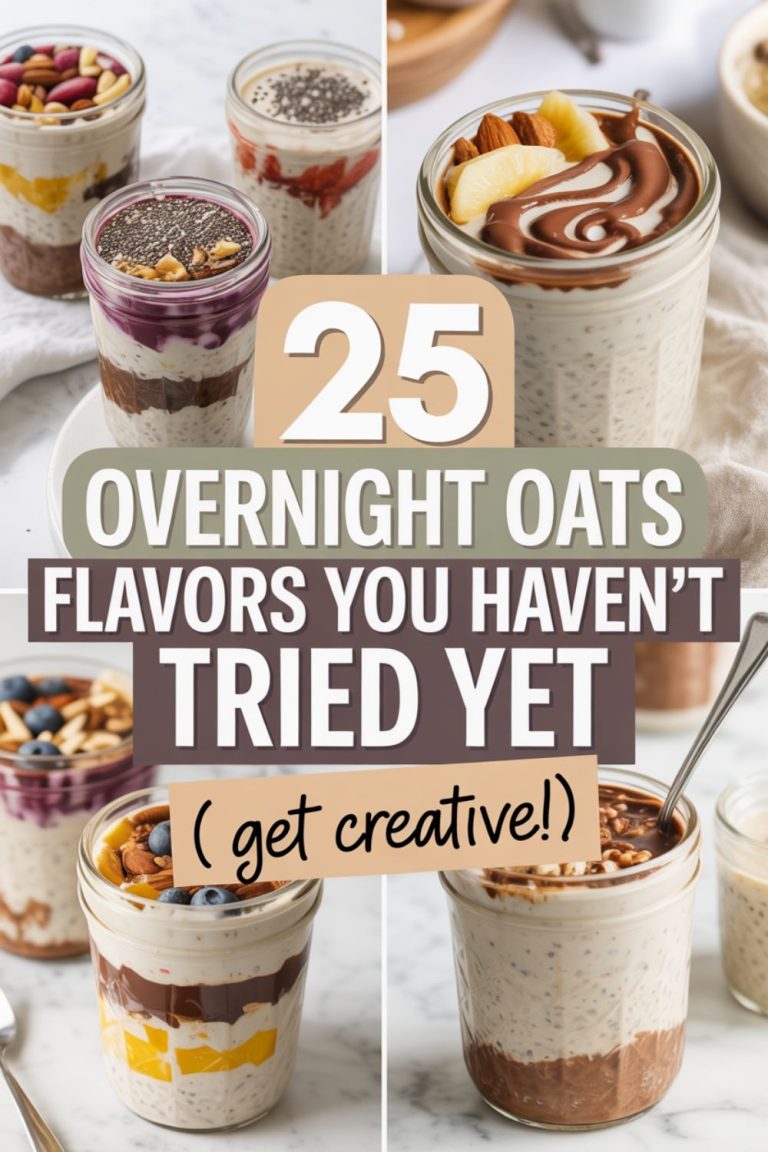
The trick is loading it up with protein and fat. I add a scoop of unflavored protein powder, a tablespoon of almond butter, and some cinnamon. Top with berries and chopped walnuts. If you’re looking for more ways to jazz up your morning oats, check out these overnight oats recipes for busy mornings.
Cook your oats in a quality saucepan that distributes heat evenly—no burnt bottom, just creamy perfection every time.
4. Avocado Toast Done Right
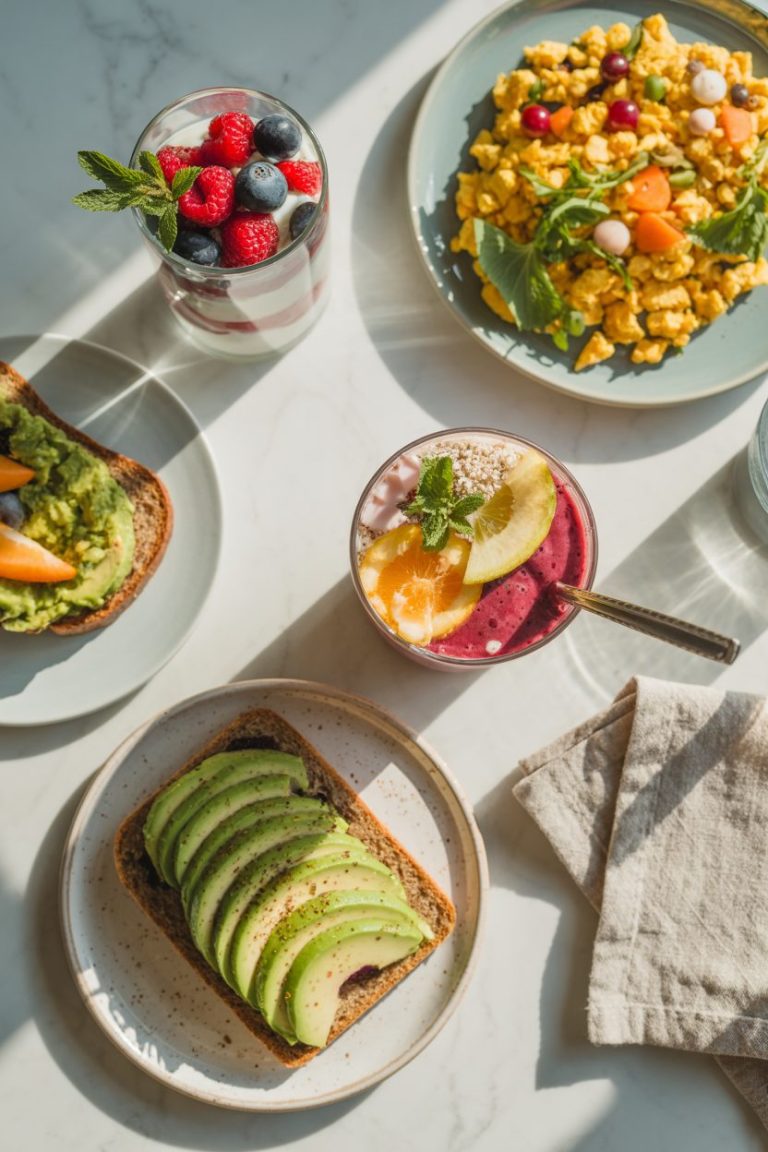
Yes, avocado toast can be blood sugar-friendly—if you do it correctly. Start with real whole grain bread (read the label and make sure whole grain is the first ingredient), mash half an avocado on top, and add two poached eggs.
The fiber from the whole grain bread plus the healthy fats from avocado and protein from eggs create the perfect trifecta. Add some everything bagel seasoning and a handful of arugula for extra nutrients.
For perfectly poached eggs every time, I swear by these silicone poaching cups. No more egg whites floating everywhere in the pot.
5. Chia Seed Pudding
Chia seeds are basically tiny fiber bombs—3 tablespoons contain about 10 grams of fiber. When you soak them overnight in unsweetened almond milk, they create this pudding-like texture that’s actually pretty satisfying.
Add a scoop of protein powder, vanilla extract, and a tiny bit of stevia if you need sweetness. Top with berries and a tablespoon of nut butter in the morning. Get Full Recipe
I make mine in mason jars—they’re perfect for shaking everything together and storing in the fridge.
6. Cottage Cheese Power Bowl
Cottage cheese has had a major comeback lately, and for good reason. A half-cup serving delivers about 14 grams of protein and contains casein, a slow-digesting protein that provides sustained energy.
Mix it with sliced cucumber, cherry tomatoes, a drizzle of olive oil, salt, pepper, and fresh dill. Sounds weird, I know, but trust me on this one. It’s savory, filling, and keeps your blood sugar rock steady.
7-12: More Savory Options
7. Breakfast Burrito Bowl
Skip the tortilla and build a bowl instead. Start with cauliflower rice (way lower carb than regular rice), add scrambled eggs, black beans, salsa, avocado, and a sprinkle of cheese. The fiber from the beans combined with protein from eggs creates an excellent blood sugar response.
Speaking of satisfying breakfast options, you might also enjoy these breakfast bowls for every mood and season—they’re built on similar principles of balanced nutrition.
8. Smoked Salmon and Cream Cheese Plate
This is my go-to when I’m feeling fancy (or just don’t want to cook). Smoked salmon provides high-quality protein and omega-3 fatty acids, while cream cheese adds healthy fats. Serve with cucumber slices, capers, red onion, and tomato.
Add a slice of pumpernickel bread if you want some carbs—it has a lower glycemic index than most breads. I slice my salmon perfectly with this sharp serrated knife.
9. Tofu Scramble
For my plant-based friends, tofu scramble is seriously underrated. Crumble firm tofu, sauté it with turmeric, nutritional yeast, and vegetables. The protein content is comparable to eggs, and the fiber from veggies keeps things stable.
Season with black salt for an eggy flavor. Press your tofu beforehand using a tofu press to get the perfect texture—not mushy, not dry, just right.
10. Turkey and Veggie Breakfast Skillet
Ground turkey is lean, protein-rich, and takes on whatever flavors you throw at it. Brown it with bell peppers, zucchini, and onions. Crack a couple eggs on top and let them cook right in the skillet.
The combination of animal protein from turkey and eggs plus the fiber from vegetables makes this incredibly satiating. One serving keeps me full until 2 PM, no joke.
11. Spinach and Mushroom Frittata
Frittatas are the ultimate meal prep breakfast. Whisk together 8-10 eggs, add sautéed spinach and mushrooms, pour into a greased pan, and bake at 375°F for about 25 minutes. Cut into wedges and refrigerate.
The mushrooms contain beta-glucans, a type of fiber that helps moderate glucose absorption. Plus, you can reheat a wedge in under a minute. I bake mine in this cast iron skillet that goes from stovetop to oven seamlessly.
12. Leftover Dinner Protein with Veggies
Here’s a radical idea: breakfast doesn’t have to look like traditional breakfast food. Last night’s grilled chicken breast with roasted Brussels sprouts? That’s a perfectly valid breakfast that’ll keep your blood sugar stable.
Who made the rule that you can’t eat “dinner food” in the morning? Research on glucose control doesn’t care what time of day you eat your vegetables and protein.
Looking for more protein-packed ideas that work any time of day? These high-protein breakfast ideas with no eggs needed offer tons of variety beyond the usual options.
13-18: Smoothies and Drinkable Options
13. Green Protein Smoothie
Smoothies can absolutely be blood sugar-friendly if you build them right. The key is keeping fruit minimal and adding protein and healthy fats. My formula: handful of spinach, half a banana (not whole), protein powder, tablespoon of almond butter, unsweetened almond milk, and ice.
The spinach adds fiber without affecting the taste. Seriously, you can’t even tell it’s there. Blend it in a high-powered blender for that smooth, non-chunky consistency.
14. Berry Protein Shake
Berries are the most blood sugar-friendly fruits you can choose. A cup of mixed berries has only about 15 grams of carbs but packs 4 grams of fiber. Blend with protein powder, Greek yogurt, a handful of spinach (yes, again), and unsweetened almond milk.
Add a tablespoon of flax seeds for extra fiber and omega-3s. The result tastes like a dessert but keeps your glucose steady for hours.
15. Chocolate Peanut Butter Protein Smoothie
Okay, hear me out. This tastes absolutely indulgent but is actually blood sugar-friendly. Blend: chocolate protein powder, tablespoon of natural peanut butter, half a frozen banana, cacao nibs, unsweetened almond milk, and ice.
The healthy fats from peanut butter slow down sugar absorption from the banana. It’s like having dessert for breakfast, but your blood sugar won’t punish you for it.
16. Cinnamon Roll Smoothie
This one tricks your brain into thinking you’re having a cinnamon roll. Blend: vanilla protein powder, cauliflower rice (frozen), cinnamon, a tiny bit of vanilla extract, stevia, and unsweetened cashew milk.
The cauliflower adds volume and nutrients without affecting the taste or spiking your blood sugar. It’s weird, but it works. FYI, frozen cauliflower rice is your secret weapon for thick smoothies with minimal carbs.
17. Coffee Protein Shake
For those mornings when you can’t decide between coffee and breakfast, combine them. Blend: cold brew coffee, vanilla protein powder, unsweetened almond milk, ice, and a tiny bit of stevia if needed.
Add a tablespoon of MCT oil or coconut oil for extra staying power. The caffeine plus protein combo gives you sustained energy without the crash. I make my cold brew in this cold brew maker overnight—ready to blend in the morning.
18. Matcha Green Tea Smoothie
Matcha provides a gentle caffeine boost plus antioxidants that may help with glucose metabolism. Mix matcha powder with vanilla protein powder, unsweetened coconut milk, a small handful of frozen mango (for sweetness), chia seeds, and ice.
The combination gives you energy without jitters and keeps blood sugar stable thanks to the protein and healthy fats.
For those who love smoothie variety, check out these vegan smoothie recipes packed with plant protein or these green smoothies that actually taste good.
19-25: Sweet Options That Still Work
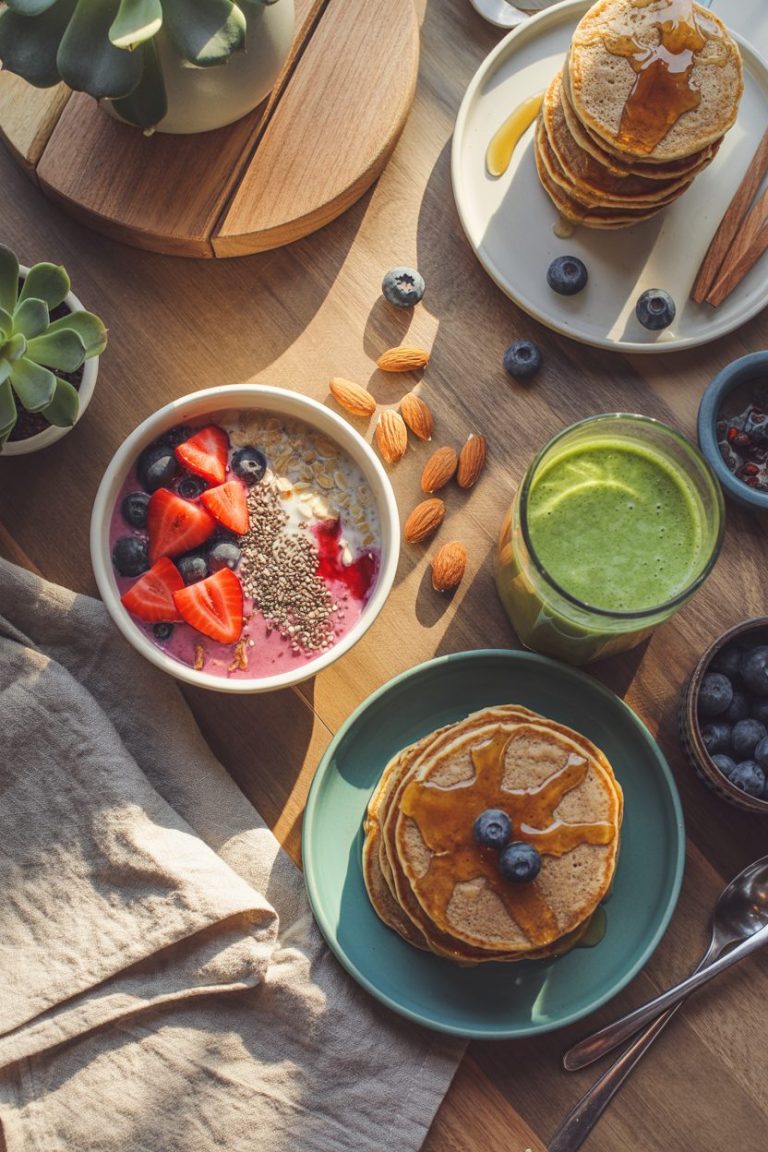
19. Almond Flour Pancakes
Regular pancakes are basically just fluffy sugar vehicles. But almond flour pancakes? Totally different story. Almond flour is high in protein and healthy fats, with minimal impact on blood sugar.
Mix almond flour, eggs, a bit of baking powder, vanilla extract, and unsweetened almond milk. Cook them low and slow. Top with a tiny bit of real maple syrup (a teaspoon goes a long way) and fresh berries.
I cook mine on this nonstick griddle that heats evenly—no burnt pancakes, no raw middles.
20. Coconut Flour Waffles
Coconut flour absorbs liquid like crazy, so a little goes a long way. These waffles are high in fiber and pair perfectly with Greek yogurt and berries. The texture is slightly different from regular waffles, but in a good way—more substantial and satisfying.
Make a batch on Sunday using a Belgian waffle maker and freeze them. Pop them in the toaster during the week for quick breakfasts.
⚡ Kitchen Essential: Glass Meal Prep Containers
Real talk—meal prepping only works if your food actually stays fresh and tasty. These glass containers changed my entire breakfast game. No more soggy egg cups or weird plastic taste in my overnight oats.
What makes these worth it:
- Microwave, oven, and dishwasher safe—reheat right in the container
- Airtight lids keep breakfast fresh for 5-7 days (tested personally)
- Clear glass so you can see what’s inside without opening 10 containers
- Portion-controlled sizes help with consistent blood sugar management
- Stack perfectly in the fridge—no wasted space
I prep all my egg cups, chia puddings, and yogurt parfaits in these on Sunday. Grab one each morning and I’m out the door in under 5 minutes. Best $30 I’ve spent on my kitchen in years.
See All Sizes & Options21. Protein Oatmeal Bake
This is like having oatmeal in cake form, but way healthier. Mix rolled oats, mashed banana, eggs, protein powder, cinnamon, and baking powder. Bake in muffin tins for portable breakfasts.
The protein and fiber content keeps blood sugar stable, and they’re perfect for grab-and-go mornings. Get Full Recipe
22. Peanut Butter Protein Balls
These aren’t technically a full breakfast, but pair them with a hard-boiled egg and some veggies, and you’re golden. Mix natural peanut butter, protein powder, ground flax seeds, and a tiny bit of honey. Roll into balls and refrigerate.
The combination of protein, healthy fats, and fiber creates a sustained energy release. I make a double batch every week and keep them in these airtight containers.
Blood Sugar Mastery: The Complete Video Course
Understanding how your body processes food is the real game-changer. This video course breaks down everything you need to know about managing blood sugar—from the science to the practical daily strategies that actually work.
Course modules include:
- The Glucose Response Explained (no medical degree required)
- How to Read Your Body’s Signals Before You Crash
- Restaurant Survival Guide: Eating Out Without Spiking
- Exercise Timing for Better Blood Sugar Control
- Stress, Sleep, and Hidden Glucose Triggers
- Building Your Perfect Breakfast Formula
12 video lessons (3.5 hours total) plus downloadable workbooks and cheat sheets. Lifetime access means you can revisit anytime. Students report feeling more in control of their health within one week.
Enroll Now – $4723. Ricotta and Berry Bowl
Ricotta cheese is often overlooked, but it’s creamy, high in protein, and has a mild flavor that pairs well with berries. A half-cup has about 14 grams of protein.
Top with fresh berries, a drizzle of honey (just a tiny bit), chopped almonds, and a sprinkle of cinnamon. It’s like having cheesecake for breakfast, but your blood sugar stays happy.
24. Protein Yogurt Bowl with Nuts
Take plain Greek yogurt (the full-fat kind—don’t fear the fat, it helps stabilize blood sugar), mix in protein powder for an extra boost, and top with chopped walnuts, pecans, a few blueberries, and unsweetened coconut flakes.
The nuts add healthy fats and crunch, while the berries provide natural sweetness and antioxidants. This combo delivers about 30 grams of protein.
25. Baked Egg Cups with Veggies
These are my ultimate meal prep weapon. Whisk eggs with a splash of milk, pour into greased muffin tins, add diced vegetables (bell peppers, spinach, mushrooms), maybe some cooked turkey sausage, and bake at 350°F for 20-25 minutes.
They last all week in the fridge and reheat in 30 seconds. Two egg cups plus a piece of fruit makes a perfectly balanced breakfast. I use a silicone muffin pan because the eggs pop right out—no sticking, no scraping.
Sarah from our community made these every Sunday for three months and told me she finally broke her mid-morning vending machine habit. “I don’t even think about snacking anymore,” she said. “These little egg cups are that satisfying.”
💪 Game-Changer: Premium Protein Powder (Unflavored)
Look, not all protein powders are created equal. Most are loaded with artificial sweeteners, fillers, and weird ingredients that actually mess with your blood sugar. This unflavored whey isolate is the cleanest I’ve found—and it’s actually versatile enough to use in everything.
Why this one’s different:
- 25g protein per scoop with zero sugar or artificial sweeteners
- Unflavored means you can add it to savory dishes (yes, egg scrambles!)
- Mixes smoothly in hot or cold liquids—no clumping
- Grass-fed, hormone-free whey for better quality
- Doesn’t spike blood sugar like cheaper protein powders with maltodextrin
I add this to my oatmeal, smoothies, pancake batter, and even Greek yogurt. One container lasts about 6 weeks, which works out to roughly $1.50 per breakfast. Way cheaper than the drive-thru, and your blood sugar actually stays stable.
View Nutritional DetailsThe Science Behind These Choices
Research published in the Clinical Nutrition Research Centre found that consuming low glycemic index meals at breakfast and as snacks significantly reduced 24-hour blood glucose fluctuations in healthy adults. The study showed that these dietary choices minimized glycemic excursions throughout the entire day—not just immediately after eating.
What does this mean for you? Choosing the right breakfast sets up a metabolic advantage that lasts all day. Your body becomes better at handling carbohydrates at lunch and dinner when you start the morning with a balanced, blood sugar-friendly meal.
Another study in the Journal of Nutrition Research specifically examined high-protein breakfasts in people with type 2 diabetes. The results showed that a breakfast containing 35% protein led to lower post-meal glucose levels compared to a 15% protein breakfast—and the effects extended to lunch, even though lunch was the same for both groups.
The takeaway? Protein at breakfast isn’t just about feeling full. It’s about improving your body’s glucose management for hours afterward.
Blood Sugar & Meal Tracker App (Premium)
You can’t manage what you don’t measure. This app syncs your meals with your glucose readings to show you exactly which foods work for YOUR body. Because everyone responds differently to the same foods—this takes the guesswork out completely.
Premium features:
- Log meals in under 30 seconds with photo recognition
- Connect with glucose monitors (Freestyle Libre, Dexcom compatible)
- AI-powered insights that identify your personal trigger foods
- Custom alerts before typical crash times
- Progress charts showing your glucose trends over time
- Recipe library with verified blood sugar impact ratings
7-day free trial, then $9.99/month. Cancel anytime. Over 50,000 people are using this to finally understand their blood sugar patterns. Works on iOS and Android.
Start Free TrialCommon Mistakes to Avoid
Relying on “Healthy” Packaged Foods
Those protein bars and breakfast cookies marketed as healthy? Many contain 15-20 grams of sugar per serving. That’s more than a glazed donut. Always read labels and look for items with minimal added sugar.
Going Too Low on Fat
Fat slows down digestion and helps prevent blood sugar spikes. When you eat fat-free Greek yogurt or egg whites only, you’re missing out on this benefit. Full-fat dairy and whole eggs actually support better glucose control.
Drinking Your Calories Without Protein
Fruit juice, even fresh-squeezed orange juice, is basically liquid sugar. Your body processes it rapidly, causing a spike. If you want juice, add it to a protein smoothie where it’s balanced with other nutrients.
Skipping Breakfast Entirely
Some people swear by intermittent fasting, and that’s fine if it works for you. But research from Johns Hopkins shows that skipping breakfast is linked to higher A1C levels and poorer glucose control throughout the day for many people.
If you do fast, make sure your first meal is balanced and contains adequate protein and fiber to prevent rebound hunger and blood sugar swings later.
Making This Work in Real Life
Look, I’m not going to pretend that making steel-cut oats from scratch every morning is realistic for most people. The key to sustainable blood sugar management is finding options that fit your actual lifestyle.
Maybe that means meal prepping on Sundays. Maybe it means keeping hard-boiled eggs and pre-cut veggies in your fridge. Maybe it means having a reliable protein powder and frozen berries on hand for quick smoothies.
The point isn’t perfection. It’s progress. Swapping your usual bagel and orange juice for Greek yogurt with berries is a massive improvement, even if it’s not the most elaborate breakfast on this list.
Start with one or two options that seem manageable. Master those. Then expand your rotation as you get more comfortable. IMO, having three solid go-to breakfasts that you can rotate is better than 25 options that overwhelm you into doing nothing.
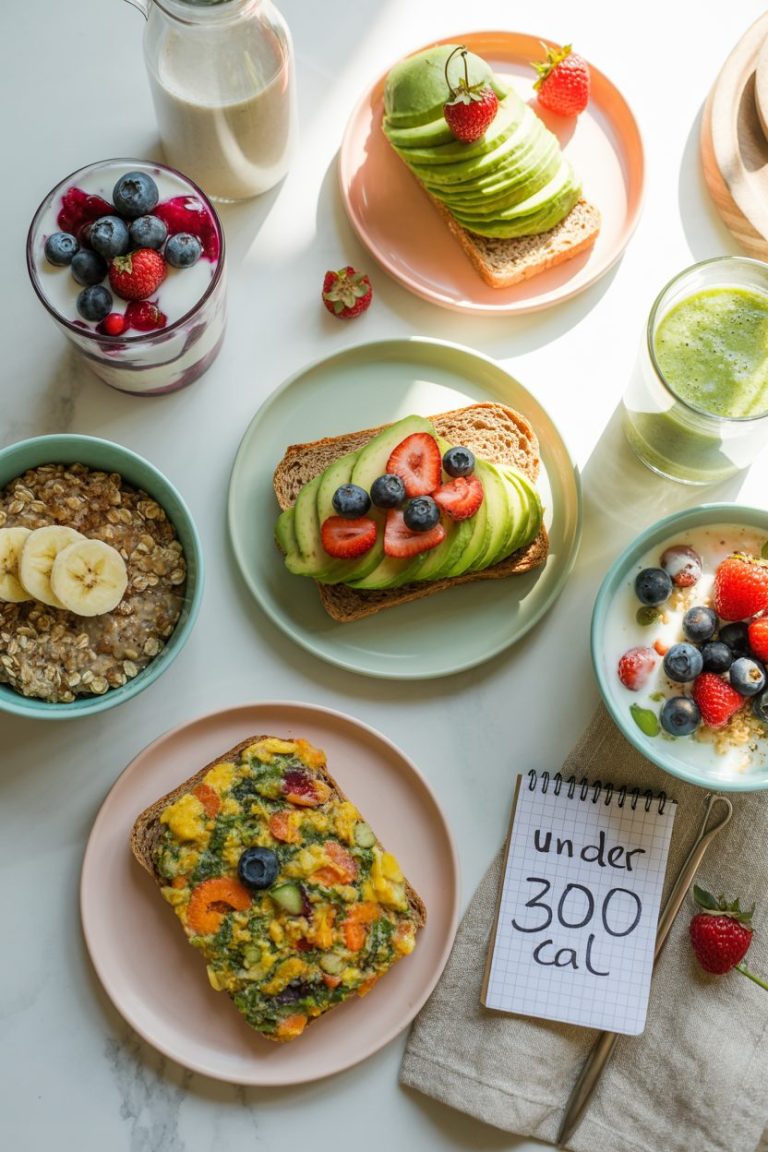
For more ways to streamline your morning routine, these low-calorie breakfasts that keep you full and breakfast ideas under 300 calories might also inspire you without adding complexity.
Frequently Asked Questions
What is the best breakfast to keep blood sugar stable?
The best breakfast combines protein (15-25g), fiber (5-10g), and healthy fats while limiting refined carbohydrates. Think Greek yogurt with berries and nuts, veggie omelets with avocado, or steel-cut oats with protein powder and nut butter. These combinations slow digestion and prevent glucose spikes. Eggs with vegetables, cottage cheese bowls, and protein smoothies are also excellent choices.
Can I eat oatmeal if I’m watching my blood sugar?
Yes, but choose steel-cut or rolled oats instead of instant oats, which have a higher glycemic index. The key is adding protein (like protein powder or Greek yogurt) and healthy fats (nut butter, nuts, seeds) to slow down carbohydrate absorption. Keep portions to about half a cup of dry oats and load up on the protein-rich toppings.
Are smoothies okay for blood sugar control?
Smoothies can be blood sugar-friendly if you build them correctly. Limit fruit to half a banana or a cup of berries, add protein powder or Greek yogurt (20+ grams protein), include healthy fats like nut butter or avocado, and throw in some spinach or cauliflower for fiber. Avoid fruit-only smoothies or those with added juice—they’ll spike your blood sugar just like soda.
What’s the worst breakfast for blood sugar?
The worst offenders are high-carb, low-protein options like sweetened cereal with milk, pastries, pancakes with syrup, bagels with jelly, or fruit juice. These foods cause rapid glucose spikes followed by crashes that leave you hungry and tired within a few hours. Even “healthy” options like fruit smoothies without protein or low-fat yogurt with granola can be problematic.
How long should I wait between breakfast and lunch?
A properly balanced breakfast should keep you satisfied for 4-5 hours. If you’re hungry again within 2-3 hours, your breakfast likely didn’t have enough protein or healthy fats. This is a sign to adjust your meal composition rather than simply eating more food or snacking between meals.
Final Thoughts
Managing blood sugar isn’t about deprivation or eating boring food for the rest of your life. It’s about understanding how different foods affect your body and making choices that support your energy, focus, and long-term health.
These 25 breakfast options prove that you can eat delicious, satisfying food while keeping your glucose levels stable. Whether you’re dealing with diabetes, pre-diabetes, PCOS, or just trying to avoid the energy crashes that plague most people, these meals work.
Start simple. Pick two or three options from this list that sound appealing and that fit your lifestyle. Make them your go-to breakfasts for a week or two. Pay attention to how you feel—your energy levels, your hunger, your mental clarity.
Once you’ve got those down, experiment with others. The goal is building a sustainable rotation of breakfasts that you actually enjoy and that keep your blood sugar stable.
Your morning meal sets the tone for your entire day, metabolically speaking. Make it count. Your body—and your blood sugar—will thank you.