21 High-Fiber Breakfasts to Stay Full Until Lunch
Let’s be honest—breakfast is either the meal you nail or the meal you totally wing at 7:47 AM while searching for matching socks. But here’s the thing: if you’re constantly hungry by 10 AM, reaching for that third coffee, or fantasizing about lunch before noon, your breakfast probably isn’t pulling its weight. The solution? Fiber. Not glamorous, I know. But fiber is basically the unsung hero of breakfast foods, keeping you satisfied for hours without that mid-morning energy crash.
I used to think fiber was just something my grandma worried about. Turns out, fiber plays a massive role in everything from digestion to blood sugar control to keeping you full longer. Most of us are only getting about half the recommended daily amount—which is 25 grams for women and 38 grams for men, according to nutrition experts. That’s a problem.
So I’ve rounded up 21 high-fiber breakfast ideas that actually taste good and won’t leave you starving before lunch. These aren’t boring bran muffins or tasteless health food—they’re real breakfasts that happen to be packed with the good stuff.
Why Fiber Matters More Than You Think
Before we jump into recipes, let me explain why fiber deserves a spot on your plate every single morning. Fiber is a type of carbohydrate your body can’t actually digest, which sounds useless but is actually brilliant. There are two types: soluble fiber, which dissolves in water and helps lower cholesterol and stabilize blood sugar, and insoluble fiber, which keeps things moving through your digestive system.
When you eat a high-fiber breakfast, you’re setting yourself up for steady energy throughout the morning. Fiber slows down digestion, which means your blood sugar doesn’t spike and crash like it does with, say, a sugary donut. Research shows that eating fiber-rich foods promotes satiety—that satisfying feeling of fullness after eating. This is especially true when you combine fiber with protein, which is why the best breakfasts include both.
Plus, studies indicate that high-fiber breakfasts can improve gut health, support weight management, and even reduce cravings throughout the day. Not bad for something as simple as adding some chia seeds to your morning routine.
Pro Tip: If you’re new to high-fiber eating, increase your intake gradually over a couple weeks. Jumping from 10 grams to 30 grams overnight is a recipe for some, uh, digestive discomfort. Trust me on this one. Also, drink plenty of water—fiber needs it to work properly.
30-Day High-Fiber Meal Plan & Recipe Book
Struggling to hit your fiber goals every day? This downloadable meal plan takes the guesswork out completely. You get 30 days of breakfast, lunch, and dinner recipes—all high-fiber, all delicious, with complete shopping lists and prep guides.
- 90 unique high-fiber recipes (30 breakfasts, 30 lunches, 30 dinners)
- Weekly shopping lists organized by store section
- Meal prep tips to save hours each week
- Printable PDF—access forever, no subscriptions
1. Overnight Oats with Chia Seeds and Berries
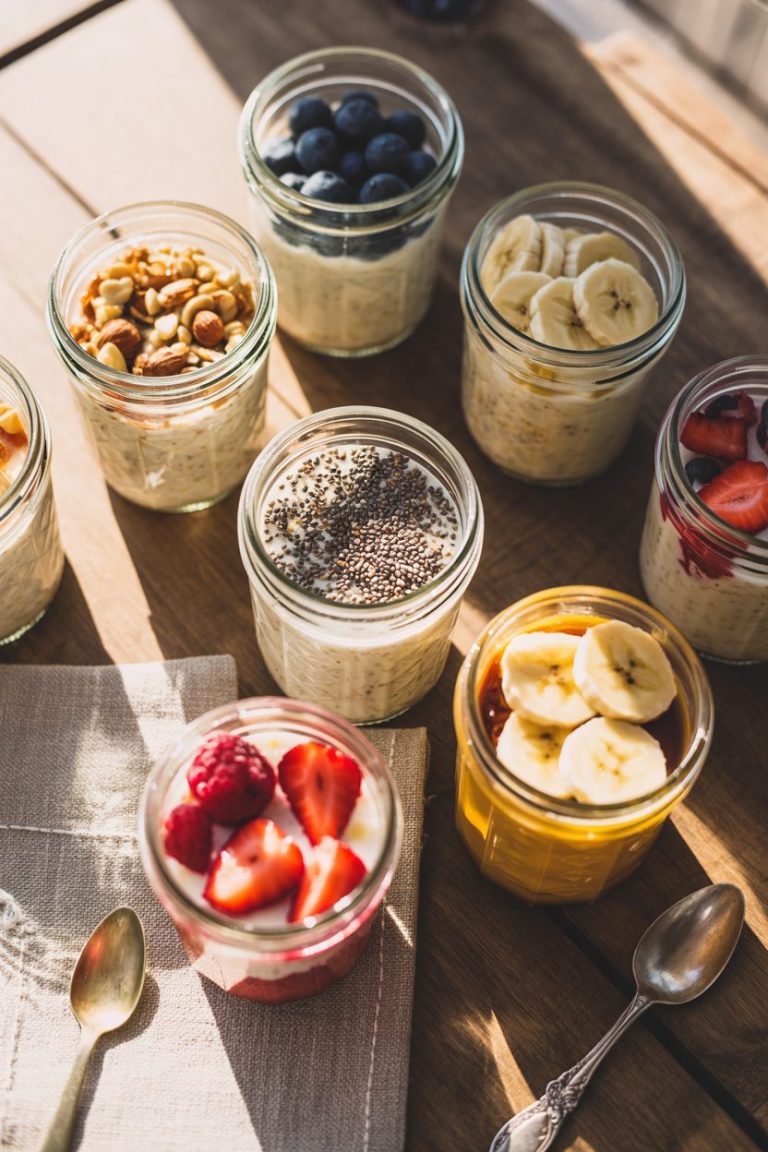
Overnight oats are the lazy person’s dream breakfast, and I mean that as the highest compliment. You literally mix everything in a jar the night before, stick it in the fridge, and wake up to breakfast that’s already done. Half a cup of rolled oats gives you about 4 grams of fiber, and when you add a tablespoon of chia seeds (another 5 grams) plus some berries, you’re looking at a breakfast with 10+ grams of fiber.
The chia seeds turn into this gel-like texture that’s surprisingly satisfying. Top with some sliced almonds or a drizzle of almond butter, and you’ve got a breakfast that’ll keep you full until noon. I like using mason jars with lids for this—makes it stupidly easy to grab and go. Get Full Recipe.
2. Avocado Toast on Whole Grain Bread
Yeah, yeah, I know avocado toast is the millennial cliché, but there’s a reason it became a thing. Half an avocado has nearly 7 grams of fiber, and when you slap that on a slice of 100% whole grain bread (look for at least 3 grams of fiber per slice), you’re starting your day with about 10 grams right there.
I like to mash the avocado with a little lemon juice, salt, and red pepper flakes, then top with a fried egg for extra protein. Some people add sliced tomatoes or radishes—whatever works. The key is using actual whole grain bread, not that wheat-colored white bread pretending to be healthy. Check the ingredients list: whole wheat or whole grain should be first. For more ideas on balanced morning meals, check out these healthy breakfast recipes.
3. Greek Yogurt Parfait with Granola and Fresh Fruit
Greek yogurt parfaits are Instagram-pretty and actually filling, which doesn’t happen often. Start with plain Greek yogurt (skip the flavored stuff with 20 grams of added sugar), layer in some high-fiber granola (aim for at least 4 grams of fiber per serving), and top with berries or sliced banana.
Raspberries are fiber superstars—one cup has 8 grams. Throw in some chia seeds or ground flaxseed for an extra boost. The combination of protein from the yogurt and fiber from the granola and fruit keeps you satisfied way longer than a regular yogurt cup. If you’re into meal prep, layer these in jars on Sunday night for grab-and-go breakfasts all week.
Quick Win: Keep a container of mixed chia and flax seeds in your pantry. Sprinkle a tablespoon on literally anything—yogurt, oatmeal, smoothies—for an instant 4-5 gram fiber boost that you won’t even taste.
The Ultimate Breakfast Meal Prep Guide
Tired of the morning scramble? This comprehensive guide teaches you how to prep an entire week of high-fiber breakfasts in under 2 hours. Includes video tutorials, storage hacks, and 50+ make-ahead recipes that actually taste good on day 5.
- Step-by-step video demonstrations for 12 breakfast types
- Container and storage solutions guide
- Freezer-friendly breakfast recipes
- Time-saving kitchen equipment recommendations
4. Whole Wheat Pancakes with Nut Butter
Regular pancakes are basically fluffy air with syrup, but swap the white flour for whole wheat flour and you’ve got yourself a high-fiber breakfast. All whole grain flours—whether wheat, oat, or buckwheat—contain fiber. A stack of two whole wheat pancakes can deliver around 6-8 grams of fiber depending on what you add to the batter.
Top them with a tablespoon of almond or peanut butter for healthy fats and extra fiber, plus some sliced banana or berries. Skip the fake maple syrup and go for the real stuff if you’re using it at all—you need way less than you think. I use a cast iron griddle for perfectly golden pancakes every time, no flipping disasters.
5. Chia Pudding with Coconut Milk and Mango
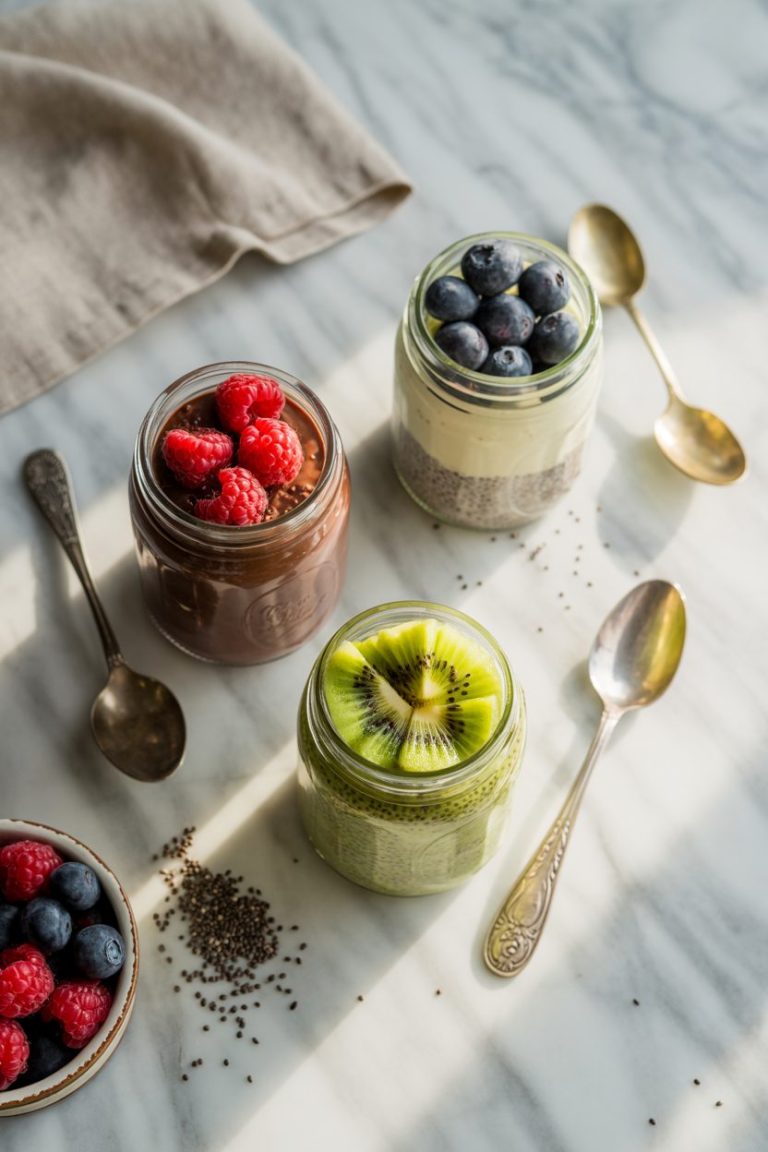
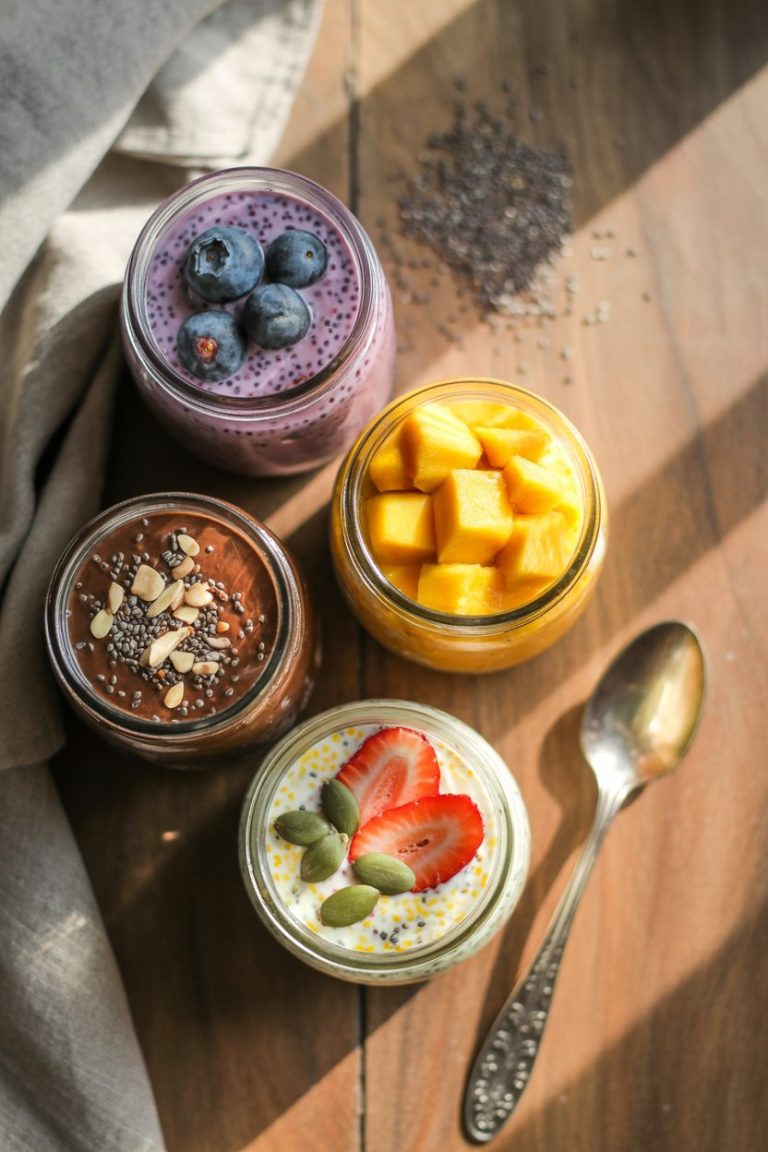
Chia pudding sounds fancy but it’s ridiculously easy. Mix 3 tablespoons of chia seeds with a cup of milk (dairy or plant-based), let it sit for at least 2 hours or overnight, and boom—you’ve got pudding. Those 3 tablespoons of chia seeds pack in about 10 grams of fiber, plus omega-3s and protein.
I like using coconut milk for a tropical vibe, then topping with fresh mango, shredded coconut, and a drizzle of honey. You can meal prep these in small glass jars for the entire week. The texture is admittedly weird at first—kind of like tapioca—but you get used to it fast. Get Full Recipe.
Looking for more creative ways to use chia seeds? These chia seed recipes go way beyond basic pudding, and for something drinkable, try these chia-infused drinks that are perfect for busy mornings.
Our Pick: Glass Meal Prep Jars Set
If you’re serious about meal prepping breakfasts, invest in a good set of glass jars. I use these 16oz jars for everything—overnight oats, chia pudding, breakfast parfaits. They’re dishwasher safe, don’t stain or hold smells like plastic, and the airtight lids mean zero leaks in your bag. Game changer for Sunday meal prep sessions.
Check Price & Reviews6. Smoothie Bowl Topped with Seeds and Nuts
Smoothie bowls are basically smoothies you eat with a spoon, which somehow makes them more satisfying. Blend frozen berries, a banana, spinach (you won’t taste it), and some plant-based milk until thick. Pour into a bowl and top with sliced fruit, hemp seeds, chia seeds, granola, and sliced almonds.
The toppings are where the fiber really adds up. Between the berries, banana, spinach, seeds, and granola, you’re looking at 12-15 grams of fiber easy. Plus it’s gorgeous, which makes you feel like you have your life together even if you’re eating it in your pajamas. I use a high-speed blender to get that perfectly thick, ice cream-like texture.
Blender Upgrade Worth Every Penny
Listen, I resisted buying a high-powered blender for years because they’re pricey. But after burning out two cheap blenders trying to pulverize frozen fruit, I finally caved. The difference is night and day—perfectly smooth smoothies in 30 seconds, no chunks, no stopping to shake things around. If you make smoothies more than twice a week, this is the upgrade that’ll change your mornings.
See Current Deals7. Veggie-Packed Egg Scramble with Whole Grain Toast
Eggs have zero fiber (sorry), but they’re an excellent protein source. The trick is loading them up with fiber-rich vegetables. Scramble your eggs with spinach, mushrooms, tomatoes, onions, and bell peppers. Each vegetable adds fiber plus vitamins and minerals your body actually needs.
Serve alongside a slice or two of whole grain toast, and you’ve got a balanced breakfast with around 8-10 grams of fiber total. I keep a bag of pre-chopped frozen peppers and onions in my freezer for mornings when I can’t be bothered to chop fresh veggies. Toss them straight from frozen into the pan—no one will know. For more protein-focused morning meals, check out these high-protein breakfast ideas that skip the eggs entirely.
8. Apple Cinnamon Baked Oatmeal
Baked oatmeal is a game-changer for meal prep. Mix oats with unsweetened applesauce, diced apples, cinnamon, a little maple syrup, and some chopped pecans or walnuts. Bake it in a casserole dish, then slice it into squares you can grab all week.
One serving gives you about 8 grams of fiber from the oats and apples combined. The applesauce keeps it moist without adding butter, and the cinnamon makes your kitchen smell amazing. You can even eat it cold straight from the fridge, though I prefer heating it up with a splash of milk. Apples with the skin on are key here—that’s where most of the fiber lives.
Pro Tip: When buying bread, cereal, or any grain-based product, flip to the nutrition label and look for at least 3-5 grams of fiber per serving. If it has less than that, it’s probably not worth the calories. The first ingredient should say “whole” something—whole wheat, whole grain, whole oat.
High-Fiber Living: Complete Nutrition Tracker & Guide
More than just recipes—this is your complete roadmap to increasing fiber intake sustainably. Includes a 90-day digital tracker, supplement guide, symptom journal, and troubleshooting tips for common digestive issues when transitioning to high-fiber eating.
- Interactive 90-day fiber intake tracker (Excel & PDF versions)
- Complete fiber food database with 500+ items
- Digestive health troubleshooting guide
- Restaurant and travel fiber tips
9. Black Bean and Sweet Potato Breakfast Burrito
Breakfast burritos don’t have to be greasy fast-food disasters. Make your own with scrambled eggs, black beans (7.5 grams of fiber per half cup), roasted sweet potato chunks (another 3 grams), and salsa wrapped in a whole wheat tortilla (look for one with at least 5 grams of fiber).
This is a serious breakfast that’ll keep you full for hours. Black beans are criminally underrated at breakfast—they add creaminess, protein, and a ton of fiber. I roast a big batch of sweet potato cubes on Sunday and use them all week. Wrap these in foil and they’re portable too. IMO, this beats any drive-through breakfast by a mile.
10. High-Fiber Bran Cereal with Berries
Okay, bran cereal sounds boring, but hear me out. Some brands pack 10-12 grams of fiber per serving, which is insane. Pour yourself a bowl, add fresh berries (another 4-5 grams), and use milk or a plant-based alternative. Suddenly you’re at 15+ grams of fiber before 8 AM.
The key is finding a brand that doesn’t taste like cardboard. Some are surprisingly decent, especially the ones with a touch of honey or dried fruit. Just watch the sugar content—you want fiber, not a sugar bomb. This is one of the fastest high-fiber breakfasts you can make when you’re running late. Keep a cereal storage container on your counter so it stays fresh and crunchy.
11. Quinoa Breakfast Bowl with Nuts and Berries
Quinoa isn’t just for lunch and dinner. Cook it in milk (or plant-based milk) with a little cinnamon and vanilla, then top with chopped walnuts, sliced banana, and fresh berries. One cup of cooked quinoa has about 5 grams of fiber, plus it’s a complete protein.
This is basically oatmeal’s more interesting cousin. The texture is a bit different—lighter and less gummy—but it’s just as filling. You can meal prep a big batch and reheat portions throughout the week. Add a drizzle of honey or maple syrup if you need some sweetness. I cook mine in a rice cooker to make it completely hands-off.
12. Whole Grain English Muffin with Peanut Butter and Banana
Sometimes you need something simple that doesn’t require thinking before coffee. Toast a whole grain English muffin (about 4 grams of fiber), spread on some natural peanut butter (2 grams), and top with sliced banana (3 grams). That’s 9 grams of fiber in under 5 minutes.
The combination of complex carbs, healthy fats, and fiber keeps you satisfied without feeling heavy. This was my go-to breakfast in college and it’s still in the rotation. You can swap the peanut butter for almond butter or any nut butter you like. Just make sure it’s the natural kind where the oil separates on top—that means it’s just nuts and salt, no added sugar or hydrogenated oils. Get Full Recipe.
For more quick morning solutions that won’t leave you hungry, these low-calorie breakfasts are designed to keep you satisfied, and these breakfast ideas under 300 calories prove you don’t need to eat a ton to feel full.
The Only Nut Butter Stirrer You’ll Ever Need
Real talk: stirring natural nut butter is annoying. That separated oil, the arm workout, the inevitable mess on the counter. This little gadget attaches to your drill (yes, your drill) and mixes nut butter in like 10 seconds flat. Sounds ridiculous, works brilliantly. I use mine for almond butter, peanut butter, even tahini. Your forearms will thank you.
Grab One Here13. Lentil and Vegetable Breakfast Hash
Lentils at breakfast might sound weird, but they’re incredible for keeping you full. Sauté cooked lentils with diced sweet potatoes, bell peppers, onions, and whatever vegetables you have lying around. Top with a fried egg if you want extra protein.
A half cup of cooked lentils has about 8 grams of fiber, plus they’re packed with plant-based protein. This is more of a savory breakfast situation, perfect if you’re not into sweet morning foods. You can cook a big batch and reheat it throughout the week. Add hot sauce or salsa for extra flavor—lentils can be a bit bland on their own.
14. Berry and Flaxseed Smoothie
Smoothies get a bad rap for being sugar bombs, but when you make them right, they’re actually filling. Blend frozen mixed berries, a banana, a tablespoon of ground flaxseed (3 grams of fiber), a handful of spinach, and some protein powder with milk or a plant-based alternative.
The ground flaxseed is key here—it adds fiber, omega-3s, and helps the smoothie keep you full longer. I buy whole flax seeds and grind them in a coffee grinder because pre-ground can go rancid quickly. Store the ground flax in the fridge and it’ll last for weeks. This smoothie clocks in around 10 grams of fiber and actually tastes good. Get Full Recipe.
Quick Win: Freeze overripe bananas in chunks. They make smoothies thick and creamy, and you’re not wasting fruit that’s about to go bad. Just peel them first—frozen banana peels are impossible to deal with.
15. Whole Wheat Toast with Ricotta and Figs
This one feels fancy but takes literally two minutes. Toast whole wheat bread, spread on some ricotta cheese (adds creaminess and protein), then top with sliced fresh figs and a drizzle of honey. Sprinkle with chopped pistachios if you’re feeling extra.
Figs are packed with fiber—two small figs have about 3 grams. Combined with the whole wheat bread, you’re looking at around 7-8 grams total. This is one of those breakfasts that feels like a treat but is actually pretty nutritious. The sweetness from the figs and honey means you don’t need to add sugar, and the pistachios give you healthy fats plus a little crunch.
16. Buckwheat Pancakes with Blueberry Compote
Buckwheat flour has a nutty flavor and is higher in fiber than regular flour. Make pancakes with buckwheat flour (you can do half buckwheat, half whole wheat if pure buckwheat is too intense), and top with a quick blueberry compote—just simmer frozen blueberries with a little water until they break down.
Skip the syrup entirely and let the berry compote do the work. Blueberries add extra fiber plus antioxidants, and the whole meal comes in around 10 grams of fiber. I keep a bag of buckwheat flour in the freezer because it doesn’t get used as fast as regular flour. Room temperature buckwheat flour can go rancid, but frozen it lasts for months.
17. Savory Oatmeal with Egg and Vegetables
Who says oatmeal has to be sweet? Cook your oats in vegetable or chicken broth instead of water, then top with a soft-boiled egg, sautéed mushrooms, spinach, and a sprinkle of cheese. This is a revelation if you’ve never tried savory oatmeal.
The oats give you about 4 grams of fiber, the veggies add more, and the egg provides protein to keep you satisfied. Add some everything bagel seasoning on top and it’s genuinely delicious. This is especially good if you’re sick of the same old sweet breakfast foods. It feels more like lunch but still works perfectly at breakfast.
18. Whole Grain Waffles with Almond Butter and Raspberries
Make waffles with whole grain flour or buy the frozen whole grain kind (check that fiber content). Top with a schmear of almond butter and fresh raspberries. Raspberries are the fiber champions of the berry world—one cup has 8 grams.
This is way more satisfying than regular waffles with syrup, and you won’t crash an hour later. The almond butter adds healthy fats and extra fiber, plus it tastes incredible with raspberries. I use a Belgian waffle maker because the deep pockets hold more almond butter and berries. Priorities.
If waffles and pancakes are your jam, you’ll love these breakfast bowls that offer similar comfort with way more variety, and these make-ahead breakfasts mean you can have waffle alternatives ready all week long.
19. Breakfast Salad with Quinoa and Avocado
Breakfast salad sounds ridiculous until you try it. Start with a base of mixed greens, add cooked quinoa, diced avocado, cherry tomatoes, cucumber, and a soft-boiled or poached egg on top. Dress with olive oil and lemon juice.
This is a legitimate meal with around 12 grams of fiber from the greens, quinoa, and avocado combined. It’s basically a Cobb salad but for breakfast, and it’s surprisingly filling. If you’re someone who doesn’t have much appetite in the morning, this might be easier to eat than heavy carbs. The vegetables give you vitamins and minerals you won’t get from toast or cereal.
20. Pear and Walnut Oatmeal
Cook your oats with diced pear (keep the skin on—that’s where the fiber is), then top with chopped walnuts, a drizzle of honey, and a sprinkle of cinnamon. One medium pear has about 5.5 grams of fiber, plus the oats add another 4 grams.
The pear cooks right into the oatmeal and gets soft and sweet without needing added sugar. Walnuts give you omega-3s and make the whole bowl more satisfying. This is a great fall breakfast when pears are in season, but frozen diced pears work too. Just thaw them slightly before adding to the pot. Get Full Recipe.
21. Breakfast Jar with Layers of Yogurt, Oats, and Fruit
Layer Greek yogurt, uncooked oats, chia seeds, and fresh berries in a mason jar. Let it sit overnight in the fridge. The oats soften, the chia seeds gel up, and in the morning you have a grab-and-go breakfast with 12+ grams of fiber.
These are insanely easy to meal prep—make five jars on Sunday and you’re set for the week. You can change up the fruit, add different nuts or seeds, or swap the yogurt for coconut yogurt if you’re dairy-free. The layering makes it look pretty, which somehow makes it taste better. Get Full Recipe.
Frequently Asked Questions
How much fiber should I aim for at breakfast?
Ideally, you want to get at least 8-10 grams of fiber at breakfast, which is roughly a third of the daily recommended amount. This ensures you start your day with sustained energy and stay full until lunch without needing constant snacks. Pair your fiber with protein and healthy fats for the best results—fiber alone won’t keep you satisfied for hours.
Will eating more fiber help me lose weight?
Fiber itself doesn’t magically burn calories, but it helps with weight management by keeping you fuller longer and reducing overall calorie intake throughout the day. High-fiber foods also tend to be less calorie-dense and require more chewing, which gives your body time to register fullness. Plus, fiber helps regulate blood sugar, which can reduce cravings for sugary snacks mid-morning.
Can I get enough fiber without eating whole grains?
Absolutely. While whole grains are a great fiber source, you can hit your fiber goals through vegetables, fruits, beans, lentils, nuts, and seeds. A breakfast salad with quinoa, avocado, and tons of veggies can easily give you 12+ grams of fiber without a single slice of bread. The key is eating a variety of plant-based foods throughout the day.
Why do I feel bloated when I eat more fiber?
Your gut bacteria need time to adjust to increased fiber intake, especially if you’ve been eating a low-fiber diet. Ramp up your fiber gradually over 2-3 weeks instead of jumping from 10 to 30 grams overnight. Also, drink plenty of water—fiber needs liquid to move through your digestive system smoothly. If bloating persists, you might be sensitive to certain high-FODMAP foods like beans or certain fruits.
Are fiber supplements as good as getting fiber from food?
Not really. While fiber supplements can help if you’re consistently falling short, whole foods contain vitamins, minerals, antioxidants, and other nutrients that supplements lack. Plus, naturally fibrous foods tend to be more filling and satisfying. Think of supplements as a backup plan, not a replacement for actual fruits, vegetables, and whole grains.
Join Our Breakfast Lovers Community
Want daily breakfast inspo, meal prep tips, and exclusive recipes delivered straight to your phone? Join our WhatsApp channel where we share quick wins, grocery hacks, and real talk about making healthy eating actually work with your life.
No spam, no BS—just good food and good vibes.
Join Our WhatsApp ChannelFinal Thoughts
High-fiber breakfasts don’t have to be complicated or taste like cardboard. Most of these recipes take less than 10 minutes to throw together, and many can be prepped ahead so you’re not scrambling in the morning. The payoff—steady energy, no mid-morning hunger crashes, better digestion—is worth swapping your sugary cereal or plain bagel for something with actual staying power.
Start with one or two of these breakfasts this week and see how you feel. I guarantee you’ll notice a difference in how long you stay full and how much more stable your energy feels throughout the morning. Your body will thank you, and your 11 AM self won’t be desperately eyeing the snack drawer.
The best breakfast is the one you’ll actually eat, so experiment with these ideas until you find a few favorites. Mix it up, keep it interesting, and don’t stress about hitting exactly 25 grams of fiber every single day. Progress over perfection, always.