21 Breakfasts Under 300 Calories That Actually Fill You Up
Look, I’m not going to sugarcoat this—the whole “eat less and feel satisfied” thing sounds like absolute fiction when you’re staring down a bowl of sad desk cereal at 7 AM. You know the drill: you eat a “light” breakfast, pat yourself on the back for being disciplined, and by 10:30 you’re ready to gnaw through your desk drawer looking for snacks.
Here’s the truth nobody tells you about low-calorie breakfasts: calories aren’t the enemy; it’s what those calories are made of. A 300-calorie donut and a 300-calorie protein-packed breakfast bowl are playing completely different games with your hunger hormones. Research shows that high-protein breakfasts significantly boost satiety and even improve concentration compared to carb-heavy options with the same calorie count.
I’ve spent way too many mornings testing this theory on myself—some winners, some disasters—and I’m sharing the 21 breakfasts that actually work. Not the ones that leave you fantasizing about lunch by mid-morning. The ones that keep you genuinely satisfied without blowing your calorie budget before noon.
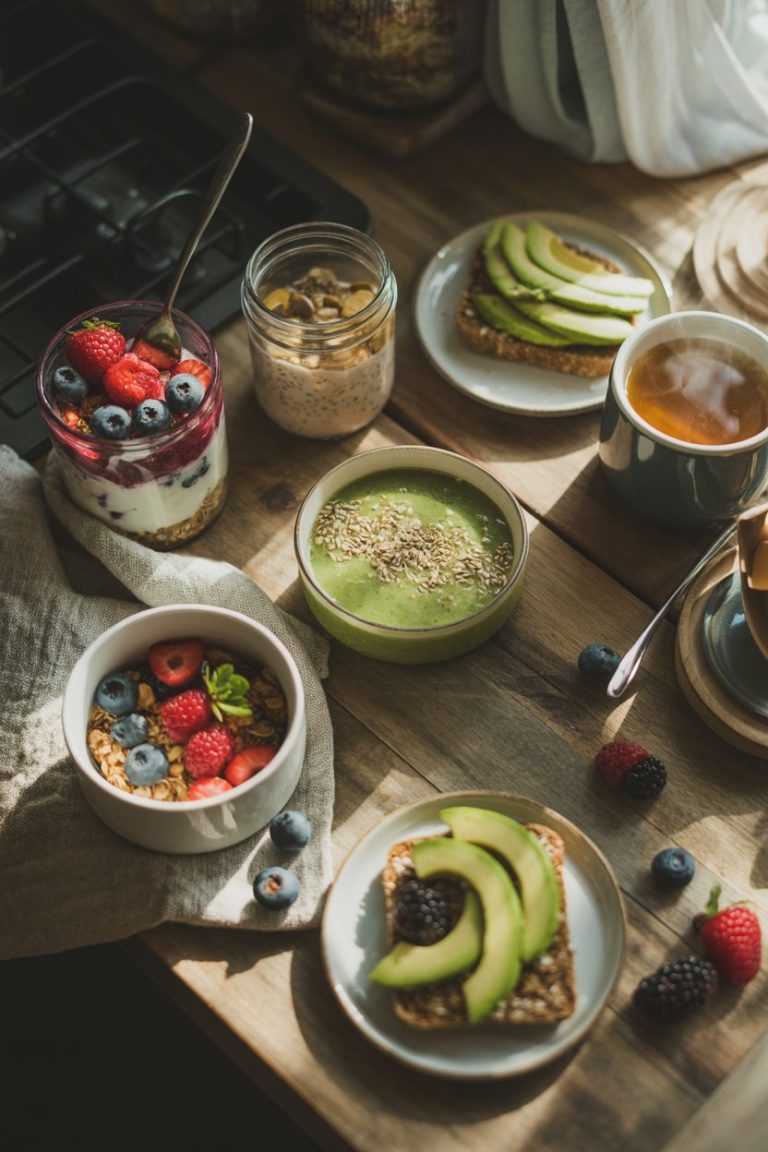
Image Prompt: Overhead shot of a rustic wooden breakfast table with morning sunlight streaming in from the left. Center frame: a white ceramic bowl filled with colorful Greek yogurt parfait topped with fresh berries, granola, and chia seeds. Soft shadows, cozy kitchen atmosphere, a linen napkin and small silver spoon to the side. Warm, natural lighting with muted cream and sage green tones. Shot from directly above for Pinterest-style appeal.
Why 300 Calories Actually Makes Sense for Breakfast
Before you think I’m about to lecture you on restriction, hear me out. A 300-calorie breakfast isn’t about deprivation—it’s about strategy. If you’re aiming for around 1,500-1,800 calories per day (which is pretty standard for steady weight management), splitting that into three solid meals and a snack leaves you plenty of room to actually enjoy your food.
The magic happens when you build that 300 calories smartly. According to registered dietitians, focusing on protein, fiber, and healthy fats helps regulate hunger hormones like ghrelin and leptin, keeping you satisfied for hours.
Think about it: would you rather eat a 400-calorie muffin that leaves you crashed and starving by 11, or a 280-calorie veggie omelet with avocado that carries you comfortably to lunch? Yeah, me too.
The Three Non-Negotiables for Satisfying Low-Calorie Breakfasts
I learned this the hard way after too many mornings spent white-knuckling it through hunger. If your breakfast is missing any of these three elements, you’re basically setting yourself up to fail:
Protein (At Least 15-20 Grams)
Protein is the MVP here. It slows digestion, keeps your blood sugar stable, and tells your brain “we’re good, no need to panic-eat.” Studies consistently show that breakfasts higher in protein reduce subsequent calorie intake throughout the day without you even trying.
Greek yogurt, eggs, cottage cheese, protein powder—these are your friends. Even plant-based options like tofu or protein-rich smoothies do the job beautifully.
Fiber (Shoot for 5+ Grams)
Fiber is basically nature’s appetite suppressant. It adds bulk to your meal, slows down digestion, and keeps everything moving smoothly (if you know what I mean). Oats, chia seeds, berries, veggies—all fiber superstars that make a massive difference in how full you feel.
The average person needs 25-30 grams of fiber daily, and breakfast is prime time to knock out a solid chunk of that goal.
Healthy Fats (Just a Little Goes a Long Way)
Don’t fear the fat. A small amount of quality fat—think avocado, nuts, seeds, or even a drizzle of olive oil—helps your body absorb nutrients and adds that satisfying richness that makes breakfast feel like an actual meal, not rabbit food.
We’re talking a tablespoon of nut butter or a quarter of an avocado here, not deep-frying everything in sight. Balance, people.
21 Breakfasts That Keep You Full (Without the Calorie Bomb)
Alright, let’s get into the good stuff. These aren’t theoretical recipes you’ll pin and never make. These are practical, real-world breakfasts that actually taste good and keep you satisfied.
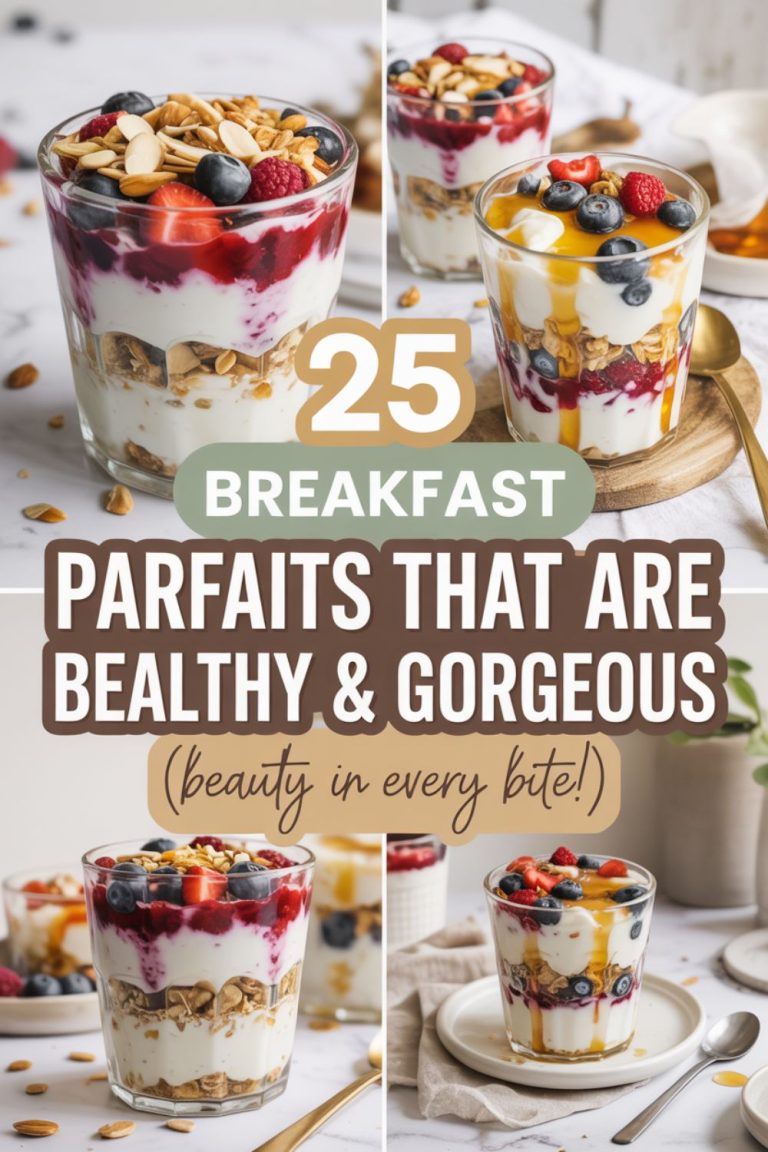
1. Greek Yogurt Power Bowl (285 Calories)
Start with a cup of plain Greek yogurt (go for 2% if you want creamier texture without too many extra calories), top with a half-cup of mixed berries, a tablespoon of chia seeds, and a small handful of almonds. If you need to mix it in one of these beautiful ceramic bowls, it somehow tastes even better.
This combo hits all three macros perfectly and the chia seeds add a nice textural element. Plus, you can prep several of these in mason jars for grab-and-go mornings.
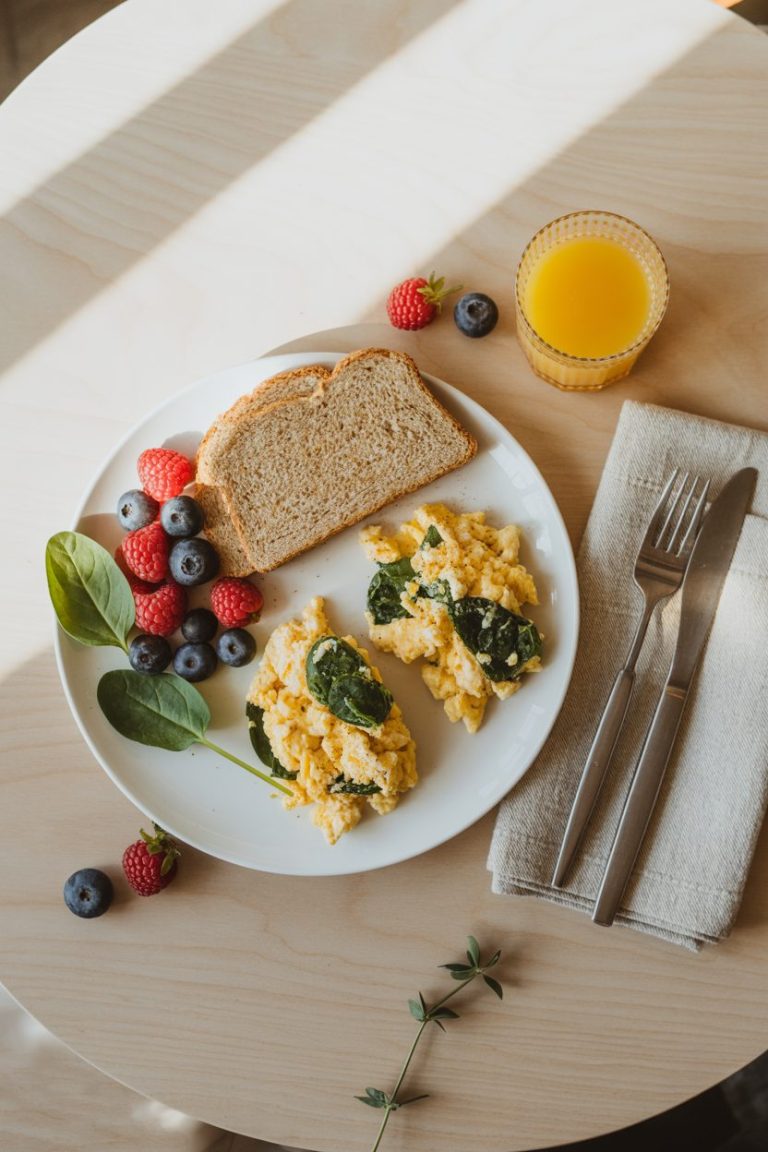
2. Veggie-Loaded Egg White Scramble (210 Calories)
Five egg whites scrambled with spinach, tomatoes, mushrooms, and bell peppers. Season generously with garlic powder, black pepper, and a pinch of nutritional yeast for a cheesy flavor without the calories. Get Full Recipe
I cook mine in this nonstick ceramic pan that requires zero oil and makes cleanup ridiculously easy. Pair it with a slice of whole-grain toast if you’ve got the calorie room.
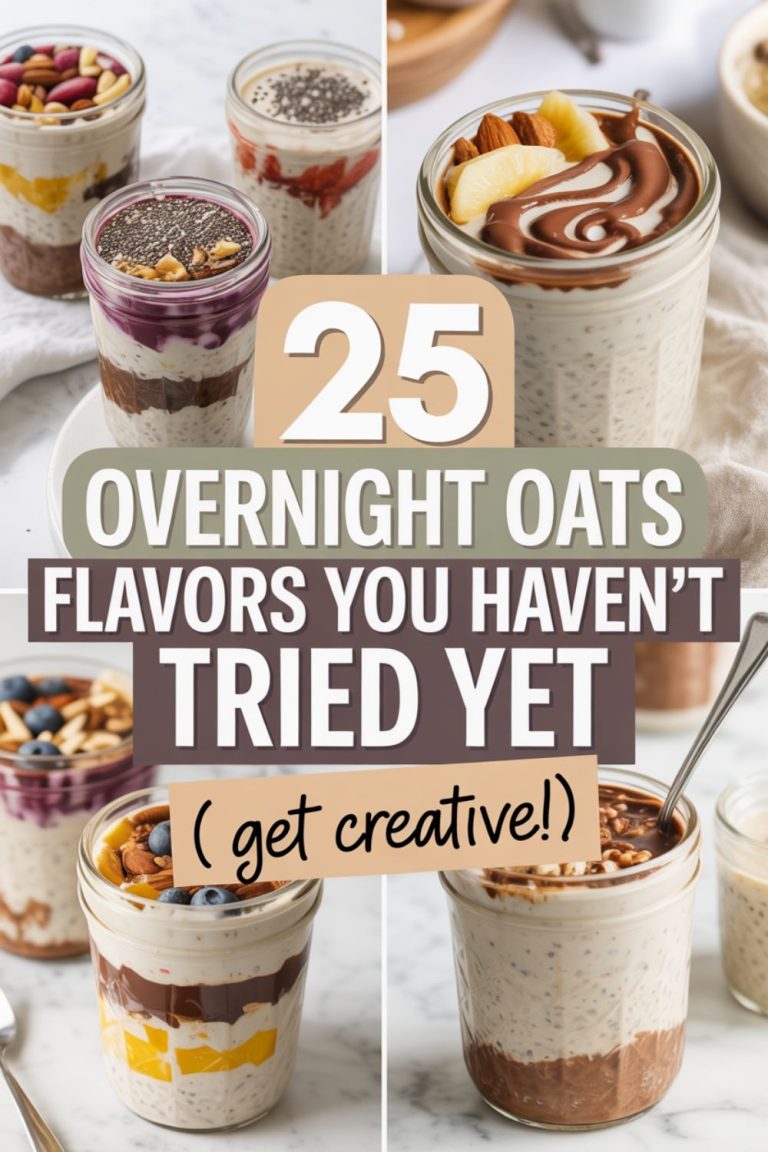
3. Protein-Packed Overnight Oats (295 Calories)
Mix a half-cup of rolled oats with half a cup of unsweetened almond milk, a scoop of vanilla protein powder, a tablespoon of chia seeds, and a quarter cup of blueberries. Let it sit overnight, and boom—breakfast is done before you even wake up. Get Full Recipe
The protein powder is key here—it transforms basic oats into something that actually sustains you. I keep these glass meal prep containers stacked in my fridge with five different overnight oat flavors ready to go.
4. Cottage Cheese and Fruit Plate (240 Calories)
One cup of low-fat cottage cheese paired with sliced peaches or strawberries and a sprinkle of cinnamon. Sounds weirdly simple, but cottage cheese is an underrated protein bomb—over 20 grams per cup.
If the texture weirds you out, blend it smooth first. Total game-changer. Add a small handful of walnuts if you need extra staying power.
5. Avocado Toast with Poached Egg (285 Calories)
One slice of whole-grain sourdough (pick something with 4-5 grams of fiber), half an avocado mashed on top, and one perfectly poached egg. Season with everything bagel seasoning and red pepper flakes.
Look, I know avocado toast became a meme, but there’s a reason it’s popular—it works. The healthy fats from the avocado plus the protein from the egg make this ridiculously filling. If poaching eggs stresses you out, try these silicone poaching cups that make it foolproof.
6. Berry Protein Smoothie (270 Calories)
Blend together one cup of unsweetened almond milk, a scoop of vanilla protein powder, half a cup of mixed frozen berries, a handful of spinach (you won’t taste it, I promise), and a tablespoon of ground flaxseed. Get Full Recipe
The flaxseed adds omega-3s and fiber while keeping things thick and creamy. I use this personal blender that doubles as a to-go cup—blend, cap, and you’re out the door.
⚡ Game-Changer: Personal Blender with To-Go Cups
If you’re tired of cleaning bulky blenders at 6 AM, this is your answer. It blends frozen fruit like a champ, comes with three BPA-free cups, and the whole thing fits in your dishwasher. I make my smoothie, twist on a lid, and I’m walking out the door in under three minutes. It’s also surprisingly powerful for something so compact—no chunks or weird textures.
See It On Amazon →For more energizing options, check out these smoothies for weight loss that taste amazing or these vegan smoothie recipes packed with plant protein.
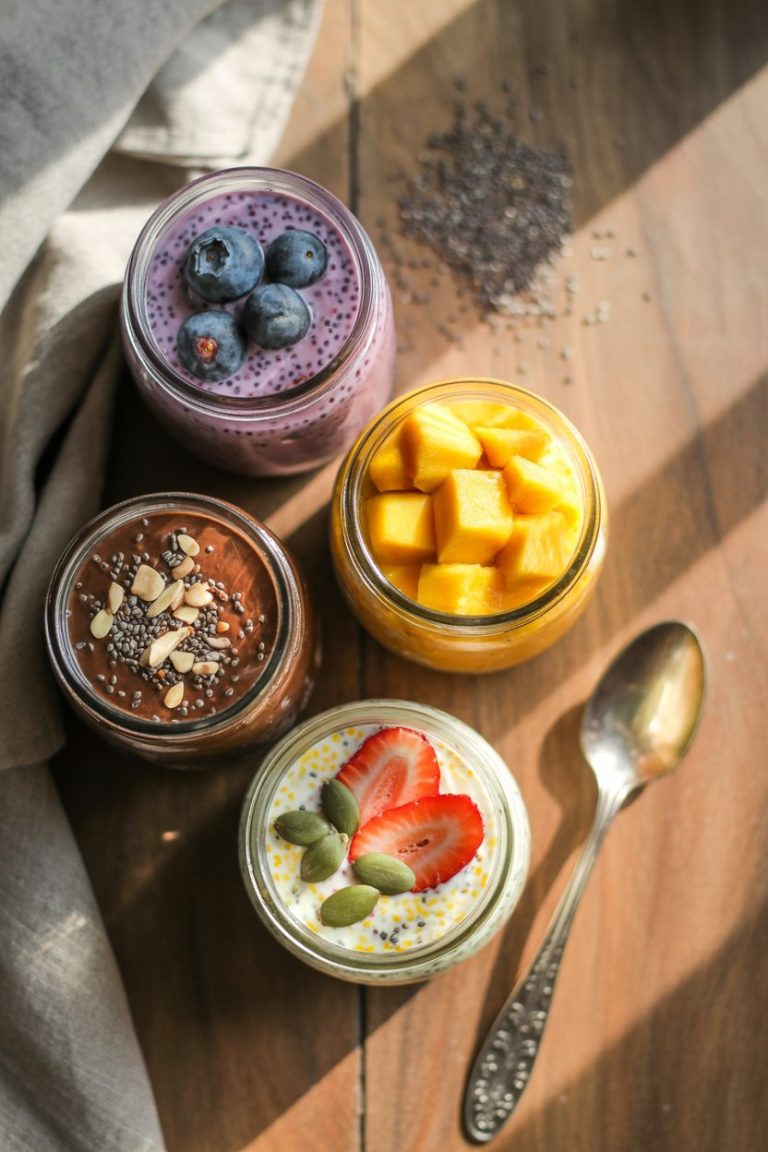
7. Chia Pudding with Almond Butter (290 Calories)
Three tablespoons of chia seeds mixed with one cup of unsweetened coconut milk, left overnight to thicken. Top with a teaspoon of almond butter and fresh berries in the morning. Get Full Recipe
Chia pudding is one of those make-ahead miracles that tastes way fancier than the effort involved. The chia seeds swell up into this tapioca-like consistency that’s surprisingly filling.
8. Spinach and Mushroom Frittata Muffins (195 Calories for Two)
Whisk together eggs with sautéed spinach, mushrooms, and a bit of feta. Pour into a silicone muffin pan and bake. These freeze beautifully and reheat in seconds—perfect for those mornings when you can barely function.
I make a dozen on Sunday and have breakfast sorted for most of the week. Pop two in the microwave for 60 seconds and you’re done.
9. Banana Protein Pancakes (280 Calories)
Mash one ripe banana, mix with two egg whites and a scoop of vanilla protein powder. Cook like regular pancakes in a nonstick pan. Top with a tiny drizzle of pure maple syrup and fresh berries.
These taste way better than they have any right to, given how simple they are. The banana adds natural sweetness so you don’t need to drown them in syrup.
10. Smoked Salmon and Cream Cheese Cucumber Bites (260 Calories)
Slice a cucumber into thick rounds, spread with light cream cheese, and top with smoked salmon and fresh dill. Sounds fancy, takes about three minutes to assemble.
This is my go-to when I want something that feels elevated but requires zero cooking. The combination of protein and healthy fats keeps you surprisingly full.
11. Tofu Scramble with Veggies (245 Calories)
Crumble firm tofu and sauté with turmeric, garlic powder, bell peppers, onions, and spinach. Season with nutritional yeast for a cheesy flavor. Get Full Recipe
Perfect if you’re plant-based or just want to mix things up from the usual egg routine. Tofu scramble is one of those things I was skeptical about until I actually tried it.
12. Apple Cinnamon Quinoa Bowl (275 Calories)
Cook quinoa in unsweetened almond milk, top with diced apple, cinnamon, a drizzle of honey, and chopped walnuts. Quinoa for breakfast might sound weird, but it’s basically a nuttier, protein-richer version of oatmeal.
Plus, quinoa is a complete protein with all nine essential amino acids—rare for plant foods.
13. Turkey Sausage and Egg Breakfast Wrap (290 Calories)
One turkey sausage link, one scrambled egg, wrapped in a small whole-wheat tortilla with salsa and a sprinkle of reduced-fat cheese. Portable, protein-packed, and actually tastes like real food.
I keep these foil breakfast wrap holders around for mess-free eating on the go.
14. Ricotta and Berry Toast (265 Calories)
One slice of whole-grain bread topped with a quarter cup of part-skim ricotta, mixed berries, and a drizzle of honey. Finish with fresh mint if you’re feeling fancy.
Ricotta is criminally underused in breakfast. It’s creamy, protein-rich, and pairs beautifully with both sweet and savory toppings.
15. Green Smoothie Bowl (285 Calories)
Blend spinach, frozen banana, protein powder, and almond milk until thick. Pour into a bowl and top with sliced kiwi, hemp seeds, and a sprinkle of granola. Get Full Recipe
Smoothie bowls feel way more substantial than drinking a smoothie, even though it’s basically the same thing. Something about eating it with a spoon tricks your brain into feeling more satisfied.
16. Protein Waffles with Greek Yogurt (295 Calories)
Mix protein powder into your waffle batter (seriously, just add a scoop to any recipe). Top with a dollop of Greek yogurt and fresh berries instead of syrup-drenched disaster.
I use this mini waffle maker that makes perfectly portioned waffles in about three minutes. Make extra and freeze them—they toast up beautifully.
17. Peanut Butter Banana Toast (280 Calories)
One slice of whole-grain bread with one tablespoon of natural peanut butter and half a sliced banana. Sprinkle with cinnamon and a few dark chocolate chips if you’re living on the edge.
Simple, classic, and surprisingly filling. The combo of protein, healthy fats, and fiber keeps your blood sugar stable for hours. I measure my nut butter with these tablespoon scoops because otherwise I accidentally use half the jar.
18. Egg and Veggie Breakfast Burrito (290 Calories)
Scrambled eggs, black beans, salsa, and a small whole-wheat tortilla. Roll it up and you’ve got a portable, satisfying breakfast that covers all your bases.
The black beans add fiber and plant protein while keeping it hearty. This is one of those breakfasts that feels indulgent but fits perfectly into your calorie budget.
19. Coconut Chia Pudding with Mango (275 Calories)
Chia seeds soaked in coconut milk overnight, topped with fresh mango chunks and toasted coconut flakes. Get Full Recipe
This tastes like vacation in a bowl. The tropical vibes make it feel special even though it takes about two minutes of actual effort. For more chia inspiration, try these chia puddings that taste like dessert.
20. Almond Butter and Strawberry Wrap (270 Calories)
Spread almond butter on a small whole-wheat tortilla, add sliced strawberries, roll it up, and slice into pinwheels. Stupid simple, but kids and adults alike go crazy for these.
The presentation makes it feel fun, and you can eat it with your hands while running out the door.
21. Baked Oatmeal Cups (280 Calories for Two)
Mix oats with mashed banana, egg whites, cinnamon, and a handful of blueberries. Pour into a muffin tin and bake. Get Full Recipe
These are like having oatmeal in portable, handheld form. Make a batch on the weekend and grab two on your way out each morning. They’re filling, naturally sweet, and insanely practical.
The Prep-Ahead Strategy That Changed Everything
Real talk: the only reason these breakfasts work is because I don’t have to think at 6:30 AM. My brain doesn’t function before coffee, so anything requiring more than three steps is doomed to fail.
Here’s what actually works: dedicate one hour on Sunday to breakfast prep. Hard-boil a dozen eggs. Make overnight oats in mason jars. Mix up a big batch of chia pudding. Portion out smoothie ingredients into freezer bags. Pre-cook frittata muffins.
Suddenly, every morning becomes grab-and-go. No decisions, no willpower required, no excuses to hit the drive-through. For comprehensive meal prep guidance, check out these make-ahead breakfasts for meal prep success or these breakfast jars you can prep in 10 minutes.
I keep everything organized in these stackable glass containers that let me see exactly what I’ve got ready. FYI, the visual reminder helps way more than you’d think.
🔥 Must-Have: Digital Kitchen Scale
Real talk: eyeballing portions is where most people blow their calorie counts. This scale is stupidly accurate (down to the gram), has a tare function so you can measure directly into bowls, and runs on AAA batteries that last forever. I use it every single day for nut butter, cheese, and grains. It takes the guesswork out of tracking and honestly made me realize I was eating way more than I thought. Total reality check in the best way.
Grab Yours Here →What About Eating Out? (Because Real Life Happens)
Look, sometimes you’re traveling, running late, or just don’t feel like cooking. Here’s how to navigate restaurant breakfasts without blowing your calorie budget:
Order egg whites instead of whole eggs if you’re getting an omelet or scramble. You save about 50 calories per egg while keeping the protein.
Ask for dressing, butter, and cheese on the side. Restaurants are heavy-handed with these. Controlling the portions yourself saves hundreds of calories.
Swap toast or pancakes for fresh fruit. Bread at restaurants is usually white flour and butter bombs. Fruit gives you fiber and nutrients without the calorie hit.
Choose grilled over fried anything. Seems obvious, but those hash browns are basically deep-fried oil sponges.
Split it or save half. Restaurant portions are usually double what anyone needs. Share with someone or immediately box up half before you start eating.
The Ingredient Swaps That Save Major Calories
Small tweaks make massive differences. Here are the swaps I use constantly that shave calories without sacrificing satisfaction:
- Regular yogurt → Greek yogurt: Double the protein, creamier texture, more filling
- Whole eggs → Egg whites + one yolk: Keeps the flavor, cuts calories by 40%
- Cow’s milk → Unsweetened almond milk: Saves about 100 calories per cup
- Butter → Cooking spray or avocado: Huge calorie savings, better fat quality
- Regular cheese → Reduced-fat or nutritional yeast: Cheesy flavor without all the calories
- Maple syrup → Mashed banana or applesauce: Natural sweetness plus fiber
- Regular nut butter → Powdered peanut butter: Same taste, 75% fewer calories (reconstitute with water)
None of these feel like deprivation once you get used to them. Your palate adapts quicker than you’d think.
📚 Free Download: 30-Day Breakfast Meal Prep Guide
Stop stressing about what to eat every morning. This comprehensive guide includes weekly shopping lists, prep schedules, and 120+ breakfast combinations you can mix and match. Plus, you’ll get printable meal prep labels and a calorie tracking worksheet. Over 5,000 people have downloaded it and transformed their mornings.
Download Free Guide →If you’re exploring dairy alternatives, compare the nutritional profiles of plant-based protein sources to find what works best for your needs. Almond butter versus peanut butter, for example, has slightly different calorie and protein ratios that might matter depending on your goals.
Common Mistakes That Make Low-Calorie Breakfasts Fail
I’ve made every single one of these mistakes, so learn from my pain:
Going too low on calories. A 150-calorie breakfast isn’t virtuous; it’s a setup for binge-eating by lunch. Aim for 250-300 to actually feel satisfied.
Skipping protein. Carbs alone won’t cut it. That’s why you’re starving an hour after toast and jam. Add protein or suffer the consequences.
Forgetting about fiber. Protein gets all the attention, but fiber is just as crucial for keeping you full. Vegetables, fruits, whole grains, chia seeds—don’t skip them.
Drinking your calories. Unless it’s a well-balanced smoothie with protein and fiber, liquid calories don’t trigger the same fullness signals as solid food. That orange juice isn’t doing you any favors.
Not prepping anything. Willpower fails when you’re tired and hungry. Prep-ahead or set yourself up to fail. Those are your options.
Comparing yourself to Instagram. Those perfectly styled smoothie bowls with seventeen toppings? They’re probably 600+ calories. Don’t fall for it.
Dealing with the Hangry Mid-Morning Situation
Even with a solid breakfast, sometimes you hit that 10 AM wall. Here’s the deal: if you’re genuinely hungry (not just bored or thirsty), you probably need to adjust something.
First, check your breakfast composition. Did you get enough protein? Enough fiber? Or was it mostly carbs masquerading as a “healthy” meal?
Second, make sure you’re eating enough overall. If you’re in too aggressive a calorie deficit, no breakfast in the world will keep you satisfied. Your body has needs, and ignoring them doesn’t end well.
Third, hydration matters more than you think. Sometimes what feels like hunger is actually thirst. Drink a big glass of water and wait 15 minutes before raiding the snack drawer.
If you’re legitimately hungry, have a smart snack ready: a piece of fruit with a handful of nuts, some veggies with hummus, or a protein bar. Budget those calories into your day instead of trying to white-knuckle through hunger.
🎁 Bonus: Low-Calorie Breakfast Recipe eBook
Want even more variety? This digital cookbook features 50 breakfasts under 300 calories with full nutritional breakdowns, grocery lists, and meal prep instructions. Each recipe includes photos and step-by-step directions. Perfect for keeping your breakfast rotation fresh and exciting. Instant PDF download—start cooking today.
Get Your eBook Now →Looking for more morning meal ideas? These healthy breakfast recipes and breakfast bowls for every mood offer plenty of variety to keep things interesting.
Related Recipes You’ll Love
Looking for more breakfast inspiration? Here are some recipes that pair perfectly with these ideas:
More Light Breakfast Ideas:
- Low-calorie breakfasts that keep you full
- Breakfast combos under 400 calories
- Gluten-free breakfast recipes that don’t taste like diet food
Protein-Packed Options:
Feel-Good Morning Meals:
Frequently Asked Questions
Is 300 calories enough for breakfast?
It depends on your total daily calorie needs, but for most people aiming for 1,500-1,800 calories per day, 300 calories at breakfast is totally reasonable. The key is making those calories count with protein, fiber, and healthy fats that actually keep you full. If you’re very active or have higher calorie needs, you might aim for 350-400 instead.
Will eating a small breakfast slow down my metabolism?
No, this is a myth that won’t die. Your metabolism is determined by your total daily calorie intake and activity level, not when or how much you eat at any specific meal. What matters more is eating breakfast versus skipping it entirely, as research shows breakfast eaters tend to have better appetite control throughout the day.
How much protein should I aim for at breakfast?
Aim for at least 15-20 grams of protein at breakfast to maximize satiety and maintain muscle mass. Studies show that higher-protein breakfasts significantly reduce hunger hormones and decrease calorie intake later in the day. Greek yogurt, eggs, cottage cheese, and protein powder are all excellent sources that fit easily into a 300-calorie meal.
Can I meal prep these breakfasts for the whole week?
Absolutely, and IMO it’s the only way to make this sustainable long-term. Overnight oats, chia pudding, egg muffins, and baked oatmeal cups all keep beautifully for 5-7 days in the fridge. Hard-boiled eggs last a week, and you can portion out smoothie ingredients into freezer bags that last for months. Just avoid prepping things that get soggy or lose texture, like fresh toast or scrambled eggs.
What if I’m still hungry after eating these breakfasts?
First, make sure you’re drinking enough water—thirst often masquerades as hunger. If you’re genuinely still hungry, evaluate your breakfast composition: did you get enough protein and fiber? You might also need to increase your portion sizes slightly or add a mid-morning snack. Sometimes 300 calories isn’t quite enough, especially if you’re very active, and that’s perfectly okay. Listen to your body and adjust accordingly.
The Bottom Line: It’s About Quality, Not Just Quantity
Here’s what I’ve learned after years of breakfast experimentation: the number 300 is arbitrary. What matters is building a breakfast that satisfies you personally, fits your lifestyle, and doesn’t leave you face-planting into a vending machine by 11 AM.
Some days you’ll nail it with a 250-calorie Greek yogurt bowl. Other days you’ll need that full 300-calorie egg scramble with toast. Both are fine. The goal isn’t perfection; it’s consistency with meals that actually work for you.
The breakfasts I’ve shared aren’t magic bullets or quick fixes. They’re practical, tested options that balance nutrition with real-life convenience. They work because they’re built on protein, fiber, and healthy fats—the trifecta that actually keeps humans satisfied.
Start with two or three recipes that sound doable. Make them a few times until they’re second nature. Then add a couple more to your rotation. Before you know it, you’ll have a solid lineup of go-to breakfasts that don’t require thinking, stress, or willpower.
And if you slip up and eat a 500-calorie pastry for breakfast? Whatever. One meal doesn’t define your progress. Get back on track at lunch and move on. The all-or-nothing mentality is way more damaging than any single breakfast choice.
Your breakfast should fuel you, not stress you out. These 21 options give you the tools to make that happen—the rest is just showing up and doing the work, one morning at a time.