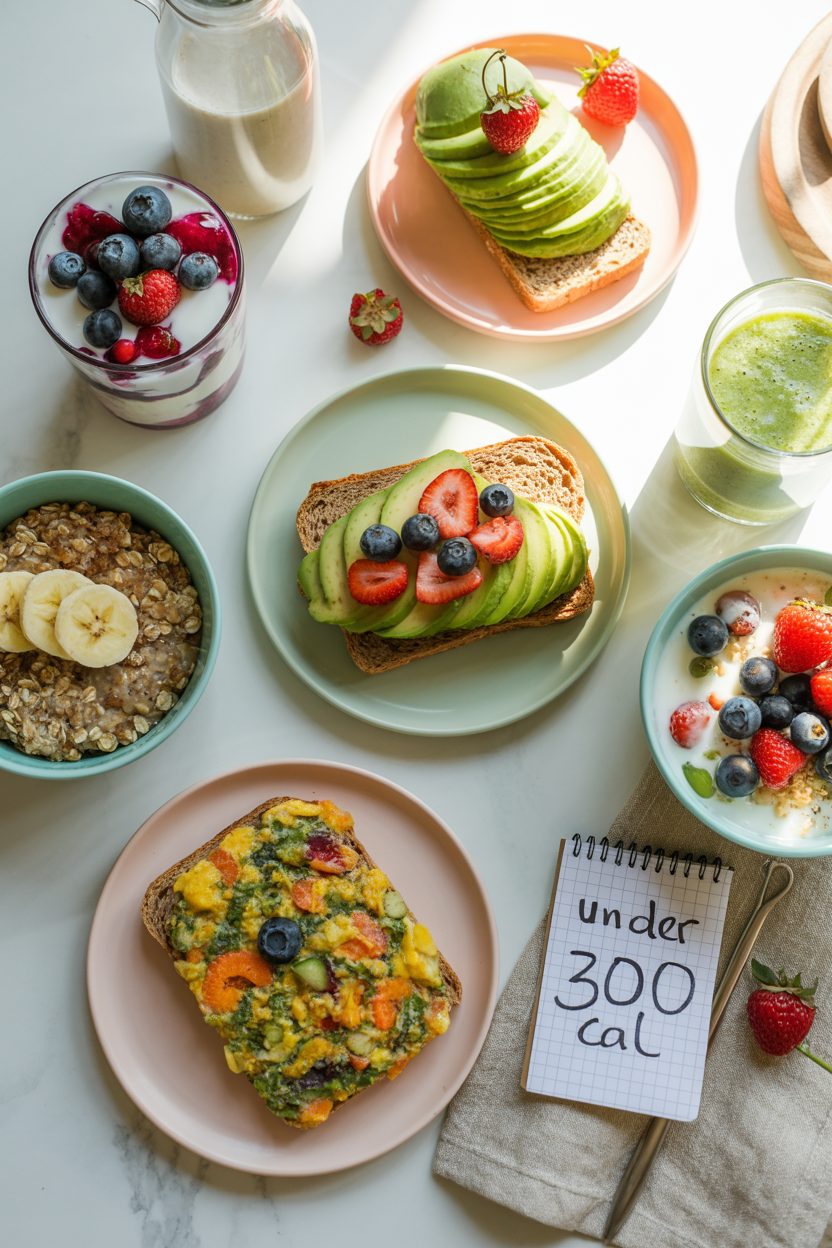
21 Breakfast Ideas Under 300 Calories
Trying to keep breakfast light without feeling like you’re eating air? Yeah, I’ve been there. Turns out you don’t need to choose between actually feeling full and staying in a reasonable calorie range. These 21 breakfast ideas clock in under 300 calories but still pack enough substance to get you through the morning without your stomach staging a protest by 10 AM.
I spent way too long eating sad egg whites and plain oatmeal before I figured out that low-calorie doesn’t have to mean low-flavor or low-satisfaction. These breakfasts are the real deal—stuff I actually eat and enjoy, not things I force down while dreaming about pancakes.
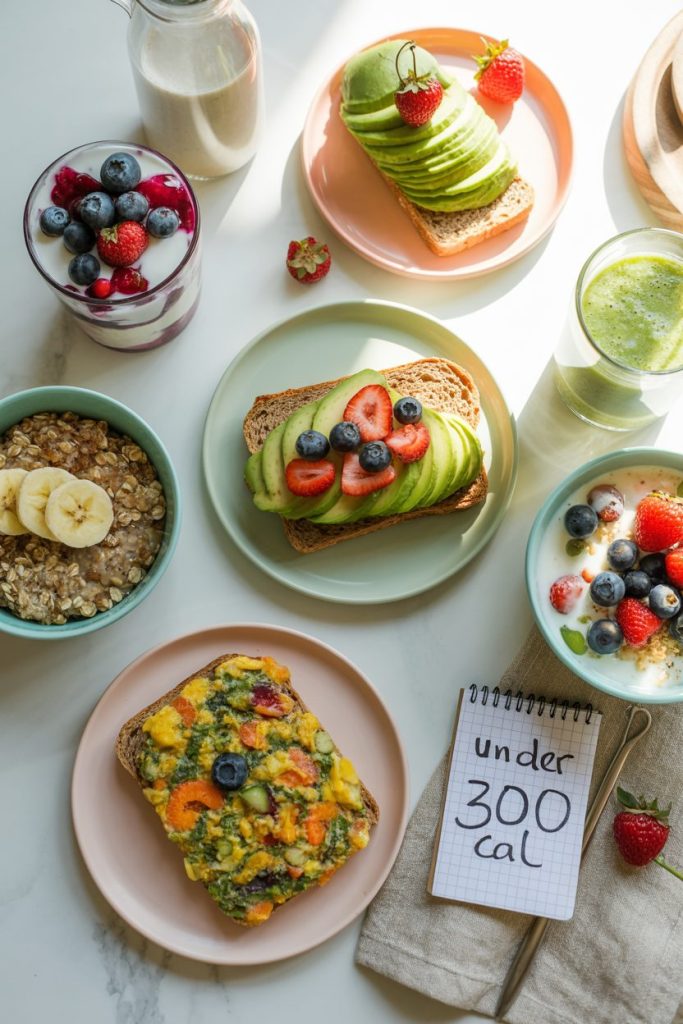
Why 300 Calories Is Actually Perfect for Breakfast
Look, the whole “breakfast is the most important meal” thing might be oversold, but starting your day with around 300 calories is genuinely smart if you’re working with a typical daily intake. It’s enough to fuel your morning without leaving you sluggish or using up your entire calorie budget before lunch.
The magic number comes from basic math: most people aiming for weight management eat between 1,500-2,000 calories daily. Breaking that into three meals plus snacks, 300 calories for breakfast leaves plenty of room for the rest of your day. Plus, according to research from the American Journal of Clinical Nutrition, eating a moderate breakfast helps regulate appetite and can reduce overall daily calorie intake.
Here’s what 300 calories should give you:
- At least 15-20 grams of protein to keep you full
- Some fiber to stabilize blood sugar
- Enough volume to feel like you actually ate something
- Flavors that don’t make you feel like you’re being punished
Now let’s get into the actual food, because theory is boring and breakfast is happening whether you’re ready or not.
Egg-Based Breakfasts That Actually Satisfy
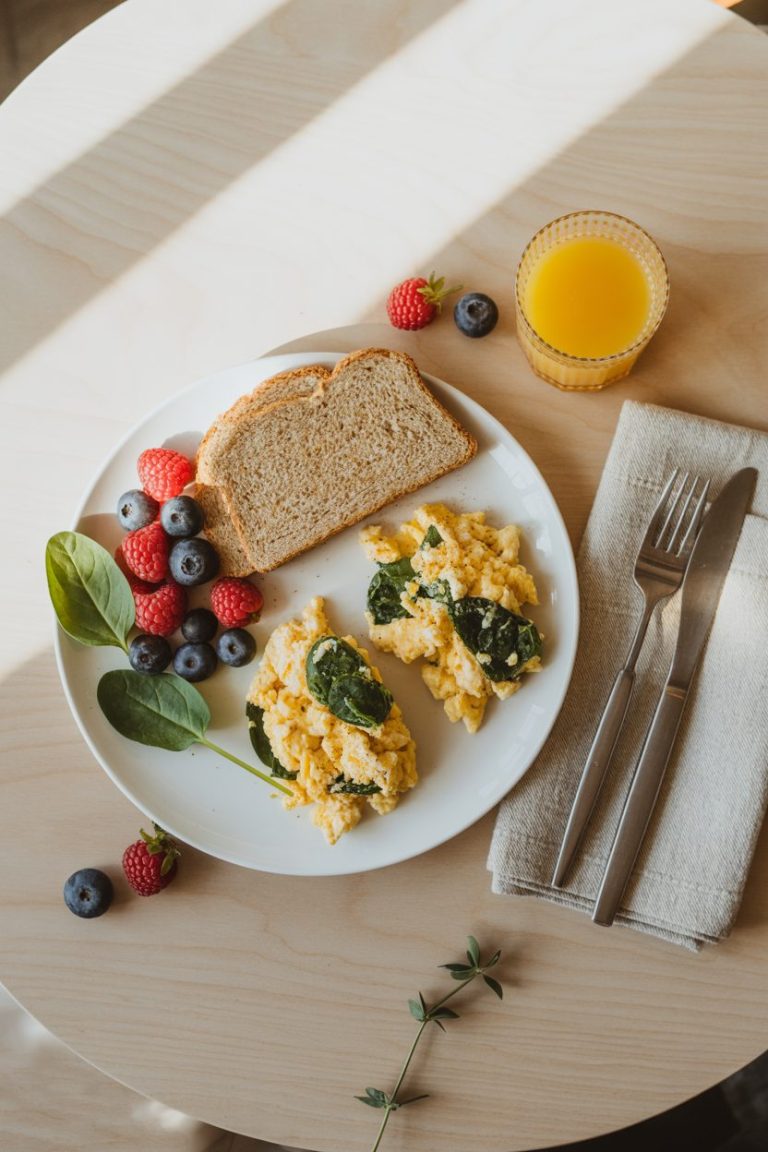
Two-Egg Veggie Scramble (Around 200 Calories)
Two whole eggs scrambled with spinach, tomatoes, and mushrooms comes in under 200 calories, leaving you room for a slice of whole wheat toast if you want it. I cook mine in this nonstick ceramic pan that needs barely any oil, which keeps the calorie count honest.
The vegetables add bulk without adding many calories—you can pile them high and still stay in range. Plus the fiber from the veggies slows down digestion, so you’re not hungry an hour later.
Season aggressively. Salt, pepper, garlic powder, whatever makes you happy. Low-calorie doesn’t mean low-flavor, and anyone who tells you otherwise is lying. Get Full Recipe
Egg White Omelet with Avocado (250 Calories)
Three egg whites with a quarter of an avocado and some salsa creates this weirdly satisfying combination. The egg whites are pure protein, the avocado adds healthy fats and creaminess, and the salsa brings flavor without calories.
I know egg white omelets get a bad rap for being sad diet food, but hear me out—when you add actual tasty stuff to them, they’re legitimately good. The key is not eating them plain like some kind of punishment breakfast.
The healthy fats in avocado are crucial for keeping you full. Fat gets demonized in weight loss circles, but your body actually needs it. Studies show that moderate fat intake, especially from sources like avocados, helps with nutrient absorption and satiety according to Harvard Health.
Mini Frittata Muffins (180 Calories for Two)
Whisk eggs with vegetables, pour into this silicone muffin pan, bake a dozen at once, and you’ve got grab-and-go breakfast for the week. Two muffins clock in around 180 calories depending on what you throw in there.
I make mine on Sunday and eat them cold throughout the week because I’m too lazy to reheat things most mornings. They’re surprisingly good at room temperature, which feels weird to admit but it’s true.
Add cheese if you have the calorie budget—a tablespoon of feta or parmesan goes a long way flavor-wise without wrecking your count.
Speaking of make-ahead egg breakfasts, you might also love these meal prep egg muffins or this crustless quiche recipe—both are perfect for busy mornings when thinking feels impossible.
Oatmeal Options That Don’t Suck
Apple Cinnamon Oatmeal (250 Calories)
Half a cup of dry oats cooked with water, topped with half a diced apple and cinnamon. Add a teaspoon of maple syrup if you need the sweetness, or skip it if the apple is sweet enough.
The trick is cooking the apple pieces right into the oatmeal so they get soft and release their natural sugars. It’s like eating apple pie for breakfast except it’s socially acceptable and won’t make your dentist sad.
I use this small saucepan for oatmeal because it’s the perfect single-serving size and cleanup is minimal. Oatmeal in the microwave works fine too, but something about stovetop oats tastes better to me. Maybe it’s the illusion of effort.
Berry Protein Oatmeal (280 Calories)
Same oat base but add a scoop of protein powder and some frozen berries. The protein powder bulks up the nutrition and keeps you full longer. The berries add sweetness and antioxidants without many calories.
Mix the protein powder in after cooking, not during, or it gets weird and clumpy. Trust me on this one—I learned the hard way and ended up with oat-flavored cement.
Frozen berries are clutch here because they’re cheaper than fresh and they cool down your oatmeal to eating temperature immediately. Efficiency wins again.
Savory Oatmeal with Egg (270 Calories)
Cook your oats with vegetable broth instead of water, top with a fried egg and everything bagel seasoning. This sounds weird but it’s actually incredible, especially if you’re sick of sweet breakfast.
The runny yolk creates this creamy sauce situation that makes the whole thing feel indulgent. The everything bagel seasoning (or just sesame seeds, garlic, and salt) adds that savory punch that makes you forget you’re eating oatmeal.
This is my go-to when I need something different. Sweet breakfast every single day gets old, you know?
Greek Yogurt Combinations That Work
Berry Greek Yogurt Parfait (220 Calories)
Six ounces of nonfat Greek yogurt, half a cup of mixed berries, and a tablespoon of granola. That’s it. Simple, effective, and actually keeps you full.
The Greek yogurt brings about 15 grams of protein, which is solid for breakfast. The berries add fiber and vitamins. The granola adds crunch and makes you feel like you’re eating something fun instead of just eating out of a container like a raccoon.
I buy plain Greek yogurt and add my own fruit because the flavored versions are loaded with sugar. A small drizzle of honey if you need sweetness, but honestly the berries usually cover it. Get Full Recipe
Tropical Greek Yogurt Bowl (240 Calories)
Greek yogurt with diced mango, pineapple, and toasted coconut flakes. It tastes like vacation but costs less than your morning coffee.
The tropical fruit is naturally sweet enough that you don’t need added sugar. The coconut flakes add texture and flavor—toast them in a pan for a minute until golden and fragrant, it makes a huge difference.
This is my summer breakfast when I’m pretending I’m somewhere tropical instead of sitting in my kitchen watching it rain.
Peanut Butter Banana Greek Yogurt (285 Calories)
Greek yogurt swirled with a tablespoon of peanut butter and half a sliced banana. The combination is filling enough to power you through a morning workout or just, you know, existing.
The peanut butter adds healthy fats and more protein. The banana adds natural sweetness and potassium. The whole thing tastes suspiciously like dessert, which is always the goal with breakfast.
If you’re comparing peanut butter versus almond butter for this, both work great—peanut butter has slightly more protein while almond butter brings more vitamin E. Use whichever one you actually like because both are nutritionally solid options.
For more protein-packed yogurt ideas, check out these high-protein breakfast bowls or this Greek yogurt parfait guide. They’re in the same “actually filling” category.
Toast Variations That Stay in Budget
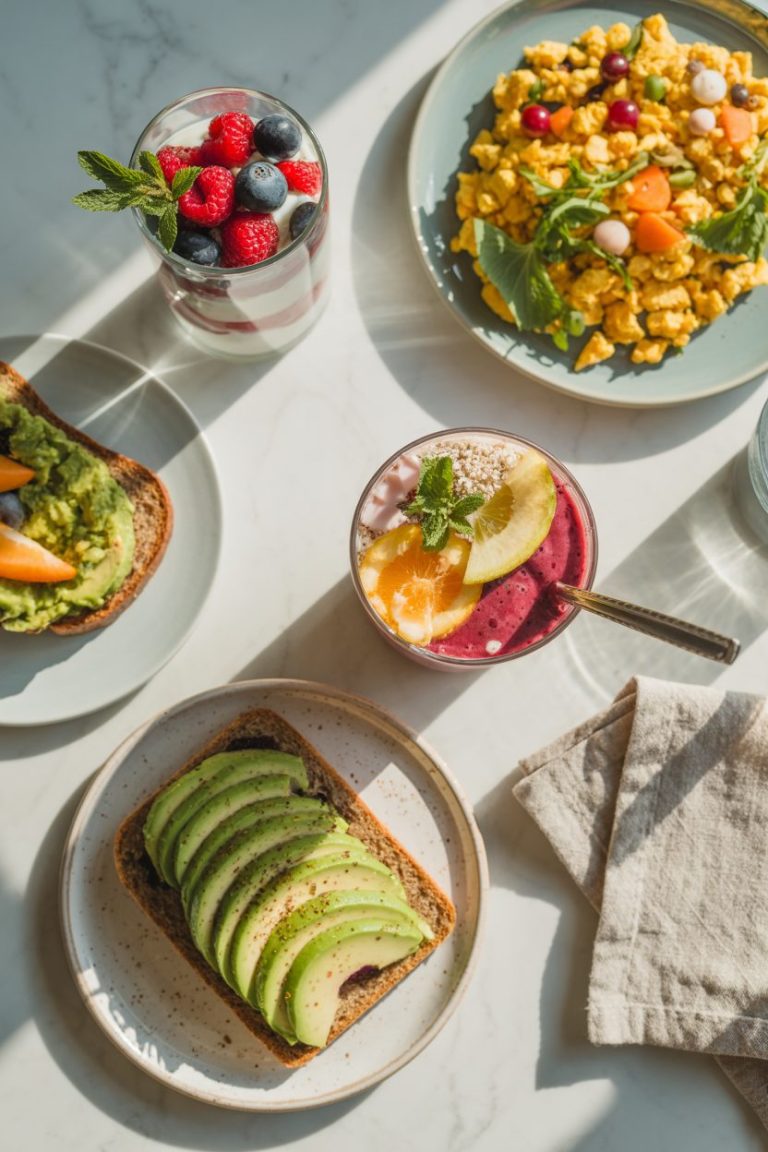
Avocado Toast with Everything (275 Calories)
One slice of whole grain toast, quarter of an avocado mashed on top, everything bagel seasoning, and a squeeze of lime. The classic for a reason.
The whole grain bread brings fiber and complex carbs. The avocado brings healthy fats and creaminess. The everything seasoning brings the flavor that makes this interesting instead of boring.
I use this avocado tool to mash mine directly on the toast because I’m apparently five years old and like having specialized gadgets. A fork works fine too, I’m just easily amused by kitchen tools. Get Full Recipe
Cottage Cheese Toast (250 Calories)
Cottage cheese on toast sounds weird until you try it. Spread a quarter cup of cottage cheese on whole grain toast, top with sliced tomatoes and black pepper, and prepare to be converted.
The cottage cheese is packed with protein—about 14 grams per half cup. It’s creamy, tangy, and way more interesting than cream cheese. The tomatoes add freshness and basically no calories.
This is one of those breakfasts that looks bizarre but tastes way better than it should. Give it a chance before you judge me.
Nut Butter Banana Toast (280 Calories)
One slice of whole grain toast, one tablespoon of almond or peanut butter, half a sliced banana. Sometimes the simple classics are simple classics for a reason.
The nut butter and banana combination is filling and satisfying. Add a sprinkle of cinnamon or a tiny drizzle of honey if you’re feeling fancy, but honestly it’s great as-is.
This is my fallback breakfast when my brain isn’t functioning yet and I need something that requires zero thought.
Smoothie Combinations Under 300
Green Protein Smoothie (240 Calories)
Spinach, half a banana, vanilla protein powder, almond milk, and ice. Blend it in this personal blender that’s actually powerful enough to destroy the spinach properly, and you’ve got breakfast in a cup.
The spinach is basically flavorless once blended with banana—you get the nutrition without the “I’m drinking lawn clippings” experience. The protein powder makes it substantial enough to count as actual breakfast.
Frozen banana instead of fresh makes the texture way better and means you don’t need to add as much ice. Another pro tip from someone who makes smoothies half-asleep most mornings.
Berry Blast Smoothie (260 Calories)
Mixed berries, Greek yogurt, almond milk, and a handful of spinach if you’re feeling virtuous. Blend until smooth and you’ve got something that tastes like a milkshake but won’t wreck your calorie budget.
Frozen berries are cheaper and make the smoothie thick and creamy without needing ice. They’re picked at peak ripeness and flash-frozen, which actually preserves nutrients better than “fresh” berries that traveled for days.
Add a teaspoon of chia seeds for extra fiber and omega-3s if you’re into that sort of thing. They blend in seamlessly and add basically no flavor.
Chocolate Peanut Butter Smoothie (290 Calories)
Chocolate protein powder, tablespoon of peanut butter, half a banana, and almond milk. It tastes like a dessert shake but it’s breakfast and nobody can stop you.
The chocolate-peanut butter-banana combination is objectively perfect. This is my go-to when I need breakfast to feel like a treat instead of a chore.
Use unsweetened almond milk to keep the sugar down. The banana and peanut butter add enough natural sweetness that you don’t need anything extra.
Quick Grab-and-Go Options
Hard Boiled Eggs with Fruit (200 Calories)
Two hard boiled eggs and an apple or orange. It’s not sexy or Instagram-worthy, but it works and you can eat it in your car if necessary.
I boil a dozen eggs every Sunday using this egg cooker that somehow makes perfect eggs every time without me having to think about it. Having them ready to grab makes weekday mornings infinitely easier.
The eggs bring protein and healthy fats. The fruit brings fiber and natural sugar for quick energy. Together they keep you satisfied without being heavy. FYI, this combo is especially clutch when you’re actually running late instead of just planning to run late.
Protein Bar and Banana (250 Calories)
A quality protein bar (check the label—aim for at least 10 grams protein and under 200 calories) plus a banana. It’s the breakfast equivalent of phoning it in, but sometimes that’s what the morning requires.
Not all protein bars are created equal. Some taste like cardboard mixed with disappointment. I stick with these protein bars that actually taste good and have a reasonable ingredient list.
Is this as nutritious as cooking eggs? No. Will it keep you from being hangry and making poor decisions? Yes. Sometimes good enough is actually good enough.
Greek Yogurt Cup with Granola (230 Calories)
Those single-serve Greek yogurt cups plus a small handful of granola you keep in your desk drawer. It’s breakfast for people who are barely functioning.
Keep the granola portion small—like a tablespoon max. Granola is calorie-dense and it’s way too easy to accidentally pour a quarter cup and blow your calorie budget on what’s essentially fancy oats with sugar.
This is my emergency desk breakfast for mornings when I forget breakfast exists until I’m already at work.
Looking for more quick breakfast solutions? Try these make-ahead breakfast burritos or this overnight oats meal prep guide—both are lifesavers when mornings feel impossible.
Sweet Treats That Stay Light
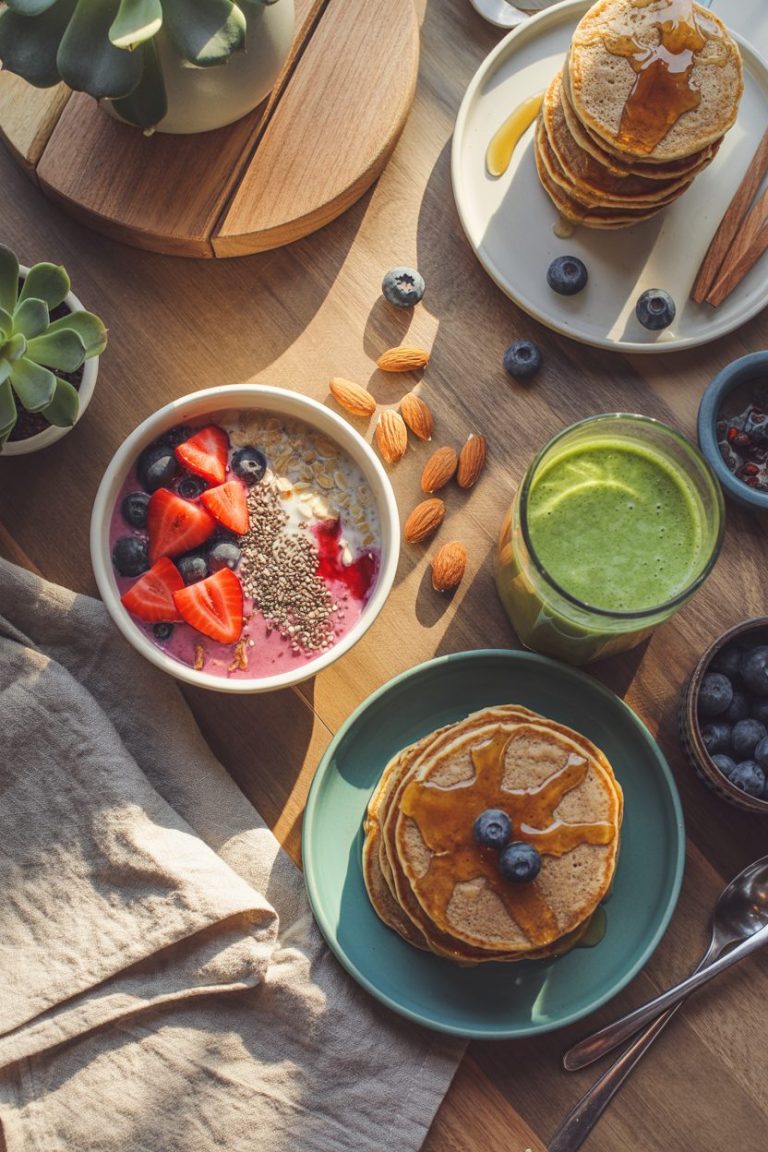
Protein Pancakes (280 Calories)
Mash half a banana, mix with an egg and a scoop of protein powder, cook like regular pancakes. Two small pancakes with a tiny drizzle of maple syrup stay under 280 calories and actually taste like pancakes, not like protein powder pretending to be pancakes.
The banana adds natural sweetness and helps bind everything together. The egg adds structure. The protein powder makes them substantial enough to keep you full.
Cook these in this mini griddle that’s perfect for small portions and doesn’t take up half your stovetop. Or just use a regular pan, whatever works.
Cinnamon Sugar Cottage Cheese Bowl (180 Calories)
Half a cup of cottage cheese mixed with cinnamon and a tiny bit of sugar or honey. It sounds weird but it’s basically the texture of ricotta and tastes like cinnamon roll filling.
Top with a few sliced strawberries or blueberries if you have them. The whole thing is high in protein, low in calories, and weirdly satisfying.
I didn’t believe this would be good until I tried it. Now I make it at least twice a week because it hits the sweet breakfast craving without destroying my calorie budget.
Related Recipes You’ll Love
Want more low-calorie breakfast inspiration? Here are some recipes that keep things light without feeling restrictive:
More Light Breakfast Options:
- 200-Calorie Breakfast Ideas
- Low-Calorie Smoothie Bowls
High-Protein Choices:
- Egg White Breakfast Recipes
- Protein-Packed Breakfast Meal Prep
Sweet Breakfast Treats:
- Healthy Pancake Variations
- Low-Sugar Breakfast Pastries
Making Low-Calorie Breakfast Work Long-Term
Here’s the thing about eating breakfast under 300 calories: it only works if you actually like what you’re eating. If you’re choking down food you hate because the internet said it’s healthy, you’ll quit within a week.
Find your rotation. Pick 5-7 breakfasts from this list that you genuinely enjoy, then rotate through them. You don’t need infinite variety—you need sustainable habits that don’t make you miserable.
Prep what you can. Hard boil eggs, portion out yogurt, make overnight oats, prep smoothie bags. Future you will be grateful when breakfast is already half-done.
Don’t skip breakfast to “save” calories. That strategy usually backfires by 11 AM when you’re starving and making questionable choices from the vending machine. Eating a reasonable breakfast actually helps regulate your appetite for the rest of the day.
Add volume strategically. Vegetables, berries, and other high-fiber, low-calorie foods let you eat more physical food for fewer calories. Your stomach registers fullness based partly on volume, not just calories.
Track honestly. That “tiny” drizzle of honey is probably 50 calories. The “small handful” of granola is probably a quarter cup and 150 calories. Use measuring spoons at least initially so you know what portions actually look like.
The goal isn’t perfection. The goal is finding breakfasts you actually want to eat that happen to fit your calorie goals. That’s the difference between a diet that lasts two weeks and habits that actually stick.