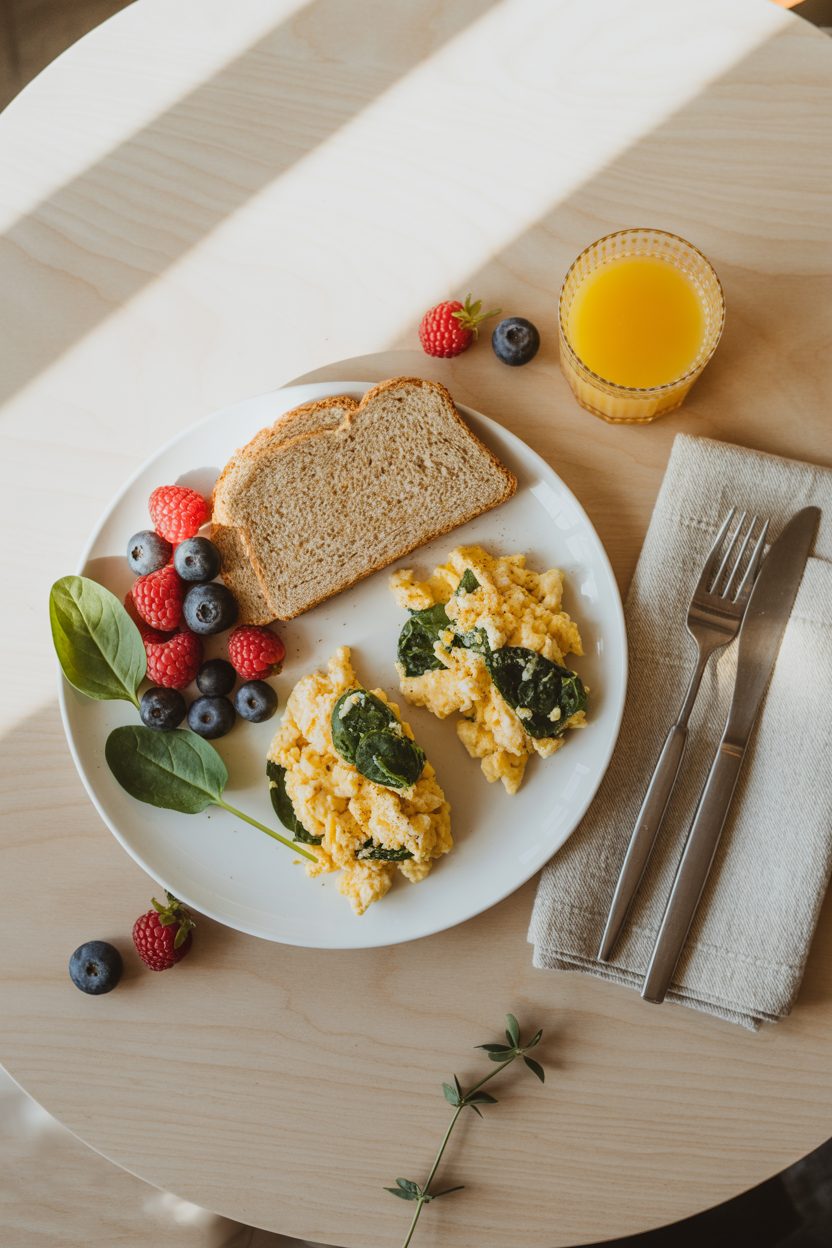
21 Breakfast Combos Under 400 Calories
Calorie counting gets a bad rap, and honestly, I get it. But sometimes you just want to know you’re starting your day with something reasonable that won’t derail your goals—without eating cardboard disguised as food or feeling hungry again by 9am.
The problem with most “low-calorie breakfast” lists is they suggest things like “half a grapefruit and black coffee” or “one hard-boiled egg and sadness.” Those aren’t meals. Those are snacks you eat while crying and wondering why you’re doing this to yourself.
These 21 combos are different. They’re actual breakfasts with protein, fiber, healthy fats, and enough volume to keep you satisfied until lunch. None of them taste like diet food, and all of them clock in under 400 calories. I’ve tested every single one during various phases of trying to eat more intentionally, and they’re all repeatable—meaning I actually made them more than once, which is the ultimate test.
The Math That Actually Matters
Before we get into the combos, let’s talk about why 400 calories makes sense for breakfast. Most nutritionists suggest breakfast should be around 25-30% of your daily intake, which lands you in the 350-500 calorie range for most people.
Four hundred calories gives you enough room to create a satisfying meal with multiple components. It’s not so restrictive that you’re starving, but controlled enough that you have plenty of calories left for the rest of your day.
The key is making those calories count—protein keeps you full, fiber aids digestion and satisfaction, and healthy fats help with nutrient absorption and satiety. Empty calories from refined carbs will leave you hungry and cranky within an hour.
Eggs and Avocado Toast
Two eggs (any style) + half an avocado mashed on one slice of whole grain toast = 380 calories
This is my go-to when I want something that feels substantial but stays reasonable. The eggs provide about 140 calories and 12 grams of protein, the avocado adds healthy fats and creaminess, and the toast gives you fiber and staying power.
I mash the avocado with a squeeze of lemon, salt, and red pepper flakes. Takes thirty seconds and tastes way better than plain avocado. Top with the eggs however you like them—I usually go with over-easy so the yolk runs into the avocado.
According to research on breakfast protein intake, consuming at least 20 grams of protein at breakfast helps with satiety and reduces cravings throughout the day—which is exactly what this combo delivers.
Greek Yogurt Parfait
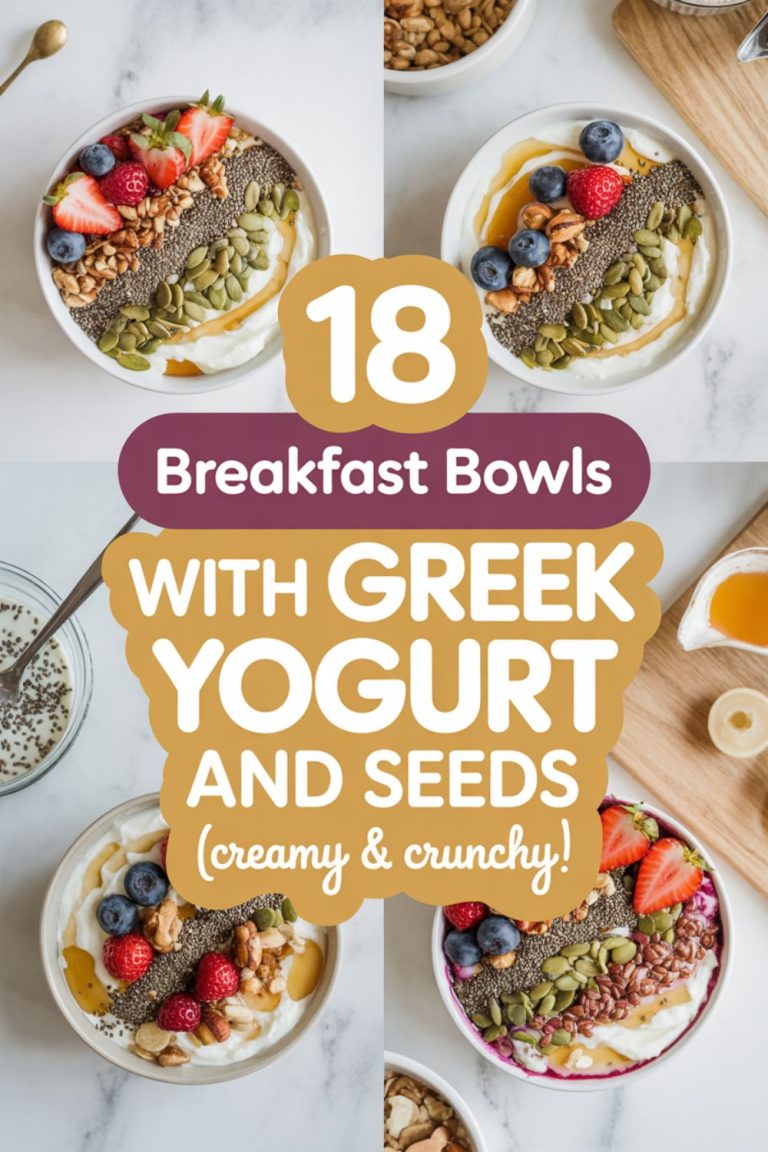
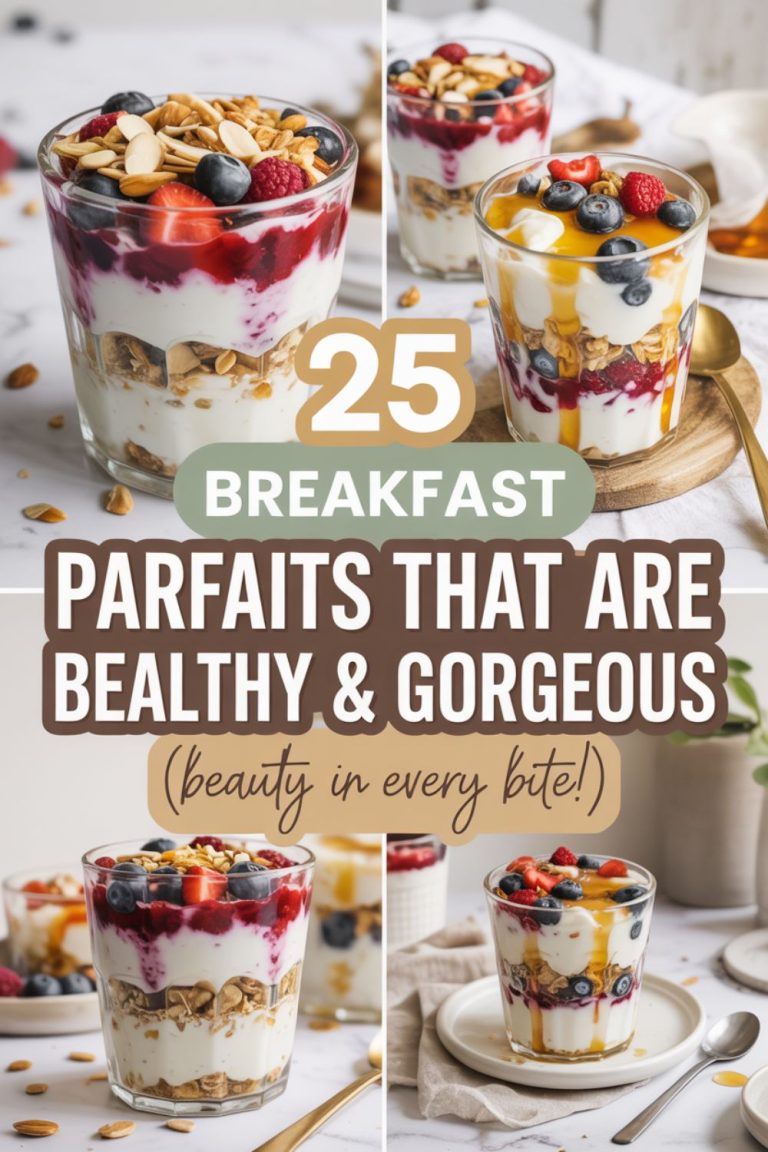
One cup nonfat Greek yogurt + half cup mixed berries + two tablespoons granola = 250 calories
This leaves you room for a piece of fruit or small coffee with milk if you want more. The Greek yogurt alone packs about 20 grams of protein, making it incredibly filling despite the modest calorie count.
I use this low-sugar granola because most granola is basically candy disguised as health food. Two tablespoons gives you crunch without going overboard on calories.
The berries add sweetness, antioxidants, and fiber. Frozen berries work just as well as fresh and they’re way cheaper.
Veggie Omelet with Toast
Three-egg-white omelet with vegetables + one slice whole grain toast = 220 calories
This seems impossibly low-calorie for how filling it is. Egg whites are basically pure protein with minimal calories—three egg whites give you about 50 calories and 11 grams of protein.
Load the omelet with spinach, mushrooms, tomatoes, and bell peppers. Veggies add bulk and nutrients without many calories. A tiny bit of cheese (like 15 grams) adds another 40 calories but makes it taste way better.
I use this nonstick pan specifically for omelets because nothing sticks and I don’t need to use much cooking spray.
Smoothie Bowl
Smoothie made with frozen banana, berries, spinach, and protein powder, topped with sliced fruit and seeds = 350 calories
The base is about 250 calories—frozen banana, half cup berries, handful of spinach, scoop of protein powder, and enough almond milk to blend. Top with sliced banana, berries, and a sprinkle of chia seeds for another 100 calories.
The protein powder is key here. Without it, this is just a fruit smoothie that’ll leave you hungry in an hour. With it, you’re getting 25+ grams of protein and actual staying power.
Get Full Recipe.
If you’re into smoothie bowls, check out protein smoothie bowl recipes and low-calorie smoothie ideas for more combinations that keep calories reasonable while maximizing nutrition.
Cottage Cheese and Fruit
One cup low-fat cottage cheese + one cup sliced strawberries + one tablespoon sliced almonds = 220 calories
Cottage cheese is criminally underrated for breakfast. One cup has about 25 grams of protein and only 160 calories. It keeps you full for hours.
The strawberries add sweetness and vitamin C, and the almonds give you healthy fats and a satisfying crunch. This combo tastes way better than it sounds—the contrast of textures makes it work.
I drizzle a tiny bit of honey over everything if the strawberries aren’t sweet enough. Adds maybe 20 calories but makes a big difference.
Oatmeal with Toppings
Half cup dry oats cooked in water + one tablespoon peanut butter + half a sliced banana = 350 calories
Oatmeal is filling, cheap, and endlessly customizable. Half a cup of dry oats is about 150 calories and expands to a huge bowl when cooked.
The peanut butter adds richness and protein—about 95 calories for a tablespoon but totally worth it. The banana adds natural sweetness and potassium.
I cook my oats in this small pot because it’s the perfect size for single servings and the nonstick coating makes cleanup easy.
Turkey Sausage and Eggs
Two turkey sausage links + one whole egg + one cup sautéed spinach = 280 calories
Turkey sausage has way fewer calories than pork sausage—about 70 calories per link versus 150. The flavor is surprisingly good, especially if you get a decent brand.
One whole egg adds 70 calories and good fats, and the spinach bulks everything up without adding many calories. Season the spinach with garlic powder and a squeeze of lemon.
This breakfast feels indulgent but keeps calories in check. The protein combo keeps you satisfied for hours.
Protein Pancakes
Two protein pancakes + sugar-free syrup + half cup berries = 280 calories
Mix one scoop of protein powder with one egg, a tablespoon of flour, and enough almond milk to create a batter. Makes two decent-sized pancakes for about 200 calories.
The berries add sweetness and the sugar-free syrup lets you drizzle without guilt. This tastes like a weekend breakfast but fits into weekday calorie goals.
I make a big batch of these and freeze them, then reheat in this toaster oven when I want quick pancakes without the mixing mess.
For more pancake variations, try high-protein pancake recipes and low-calorie breakfast ideas that deliver similar satisfaction without the calorie load.
Breakfast Burrito Bowl
Scrambled egg whites + black beans + salsa + Greek yogurt = 310 calories
Three egg whites scrambled, quarter cup black beans, unlimited salsa, and two tablespoons Greek yogurt as a sour cream substitute. Add hot sauce, cilantro, and lime juice.
The beans add fiber and make this way more filling than just eggs alone. The Greek yogurt adds creaminess and extra protein without the calories of sour cream.
This tastes like a burrito without the tortilla calories. I don’t miss the tortilla at all, honestly.
Whole Grain Cereal with Milk
One cup high-fiber cereal + one cup skim milk + half cup berries = 280 calories
Not all cereal is created equal. Look for options with at least 5 grams of fiber per serving and less than 10 grams of sugar. The fiber keeps you full, unlike those sugary cereals that leave you hungry twenty minutes later.
Skim milk saves about 40 calories per cup versus whole milk. The berries add natural sweetness and nutrients.
This is my lazy morning breakfast when I can’t deal with cooking anything. Sometimes simple is exactly what you need.
Smoked Salmon and Cream Cheese
Two ounces smoked salmon + two tablespoons light cream cheese + one small whole grain bagel = 340 calories
Use a thin bagel or bagel thin (about 110 calories) instead of a regular bagel (300+ calories). The light cream cheese saves about 30 calories per serving versus regular.
Smoked salmon is packed with protein and omega-3s. Add tomato, red onion, and capers for extra flavor without many calories.
This feels fancy enough for a weekend brunch but practical enough for weekday breakfast.
Chia Pudding
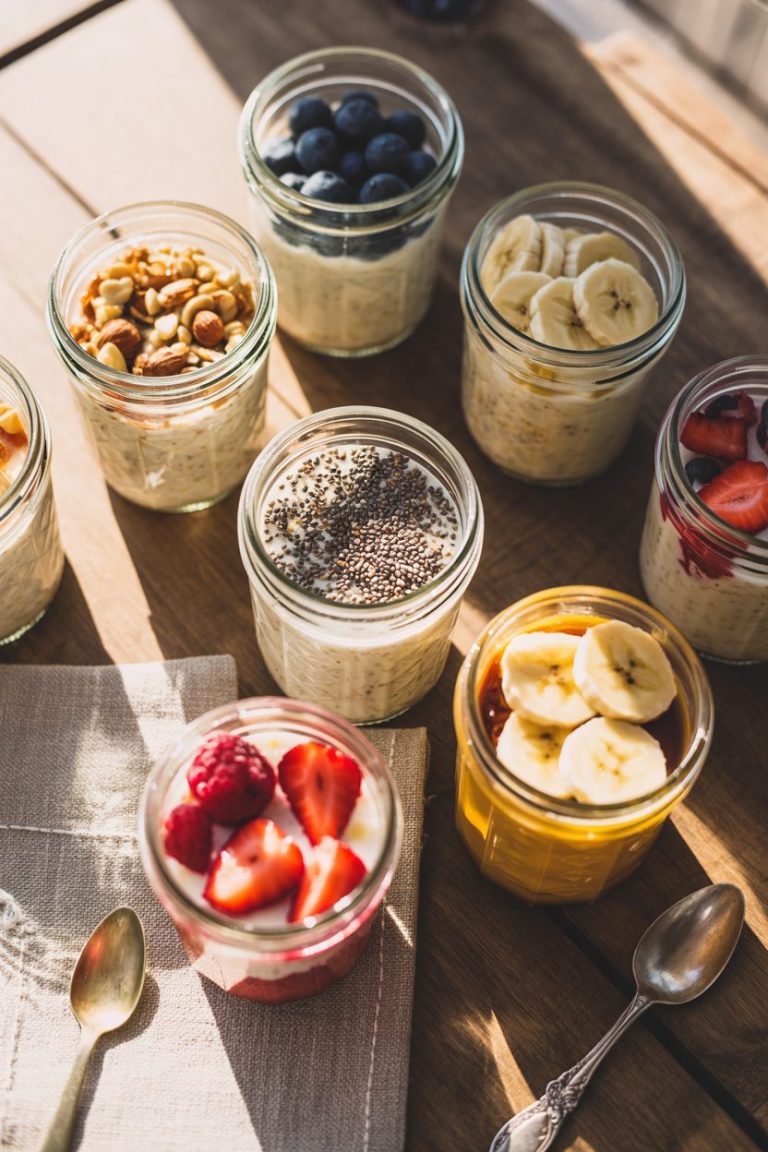
Three tablespoons chia seeds + one cup unsweetened almond milk + one tablespoon maple syrup + fresh fruit = 280 calories
Make this the night before—mix everything together, refrigerate overnight, top with fruit in the morning. The chia seeds create this pudding-like texture that’s surprisingly satisfying.
The healthy fats and fiber in chia seeds keep you full. This is one of those breakfasts that seems like it shouldn’t be filling but absolutely is.
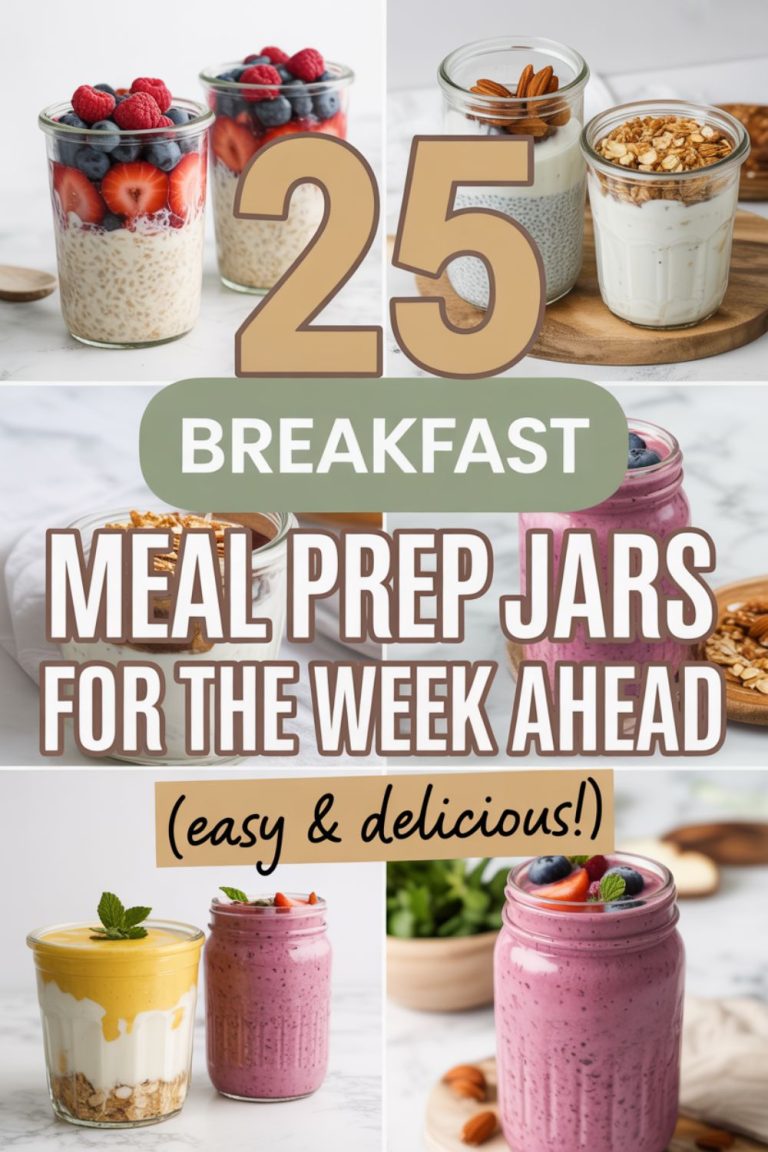
I prep five jars on Sunday and grab one each morning. Takes about five minutes of actual effort for a week of breakfasts.
Get Full Recipe.
Egg Muffins
Three egg muffins (made with eggs, vegetables, and a small amount of cheese) = 240 calories
Whisk eggs with diced vegetables and a bit of cheese, pour into muffin tins, bake at 350°F for 20 minutes. Each muffin is about 80 calories depending on what you put in them.
These keep for days in the fridge and reheat in thirty seconds. I make a dozen at once and have breakfast sorted for four days.
The protein from the eggs keeps you satisfied, and you can customize them with whatever vegetables you have on hand.
Speaking of egg-based breakfast prep, check out make-ahead egg recipes and high-protein breakfast meal prep for more efficient ways to have breakfast ready all week.
Peanut Butter Banana Toast
One slice whole grain bread + one tablespoon peanut butter + half a banana sliced = 260 calories
Classic combination that never gets old. The peanut butter provides protein and healthy fats, the banana adds natural sweetness and potassium, and the whole grain bread gives you fiber.
I sprinkle a tiny bit of cinnamon on top because it makes everything taste better. Sometimes I add a drizzle of honey if I have calories to spare.
This is fast, portable, and actually keeps you full until lunch. Hard to beat for convenience.
Breakfast Quesadilla
One small whole wheat tortilla + one egg + small amount of cheese + salsa = 280 calories
Scramble an egg with a bit of cheese, wrap it in a tortilla, heat in a pan until crispy. Top with salsa for flavor without calories.
Use a smaller tortilla (about 100 calories) instead of a burrito-sized one. The protein from the egg and cheese makes this surprisingly filling.
I use this small nonstick pan that’s the perfect size for quesadillas. Nothing sticks and it cleans up easily.
Apple with Almond Butter and Yogurt
One medium apple + one tablespoon almond butter + half cup Greek yogurt = 280 calories
Slice the apple, spread almond butter on the slices, eat with Greek yogurt on the side. The combination of protein, healthy fats, and fiber keeps you satisfied.
Almond butter has slightly fewer calories than peanut butter and a different flavor profile. The yogurt adds extra protein to make this more substantial.
This is great for mornings when you need to eat quickly or on the go. Everything travels well.
Breakfast Salad
Two cups mixed greens + two hard-boiled eggs + cherry tomatoes + balsamic vinegar = 230 calories
Yes, salad for breakfast. Hear me out—it’s fresh, filling, and uses up vegetables before they go bad. The hard-boiled eggs add protein, and the greens provide fiber and nutrients.
Add a few walnuts or pumpkin seeds for healthy fats if you have calories to spare. The balsamic vinegar adds flavor without many calories.
I meal prep the hard-boiled eggs using this egg cooker that makes perfect eggs every time without watching a pot.
Protein Shake
One scoop protein powder + one cup unsweetened almond milk + half banana + ice = 220 calories
This is my emergency breakfast when I’m running late. Throw everything in a blender, blend for thirty seconds, drink it while getting ready.
The protein powder provides 20-25 grams of protein, the banana adds natural sweetness and potassium, and the almond milk keeps calories low while adding creaminess.
Add a handful of spinach if you want extra nutrients without affecting the taste. The banana completely masks the spinach flavor.
Baked Sweet Potato with Toppings
One small baked sweet potato + two tablespoons Greek yogurt + cinnamon = 200 calories
Microwave a sweet potato for 5-7 minutes until soft. Top with Greek yogurt and cinnamon. Sounds weird, tastes amazing.
The sweet potato provides complex carbs and fiber, the yogurt adds protein, and the cinnamon adds flavor without calories. This is surprisingly filling for how few calories it contains.
You can bake several sweet potatoes at once and refrigerate them, then reheat as needed throughout the week.
English Muffin Breakfast Sandwich
One whole wheat English muffin + one egg + slice of Canadian bacon + slice of cheese = 310 calories
English muffins have fewer calories than bagels or toast (about 120 versus 200+). Canadian bacon has way fewer calories than regular bacon.
This tastes like fast food breakfast but you control the portions and quality. The protein combination keeps you full for hours.
I prep these in batches, wrap them in foil, freeze them, and reheat in the microwave for ninety seconds. Homemade freezer breakfast sandwiches that actually taste good.
For more sandwich variations, try healthy breakfast sandwich recipes and make-ahead breakfast ideas that fit similar calorie ranges while maximizing flavor.
Cottage Cheese Pancakes
Mix half cup cottage cheese with two eggs and two tablespoons flour, make small pancakes = 280 calories
These are shockingly good considering they’re basically just cottage cheese and eggs. The cottage cheese creates a fluffy texture and adds tons of protein.
Top with berries and a tiny drizzle of maple syrup. The protein content makes these way more filling than regular pancakes.
This is one of those recipes where you taste it and think “wait, this is actually good?” The cottage cheese flavor completely disappears but the protein remains.
Toast with Ricotta and Honey
One slice whole grain bread + quarter cup part-skim ricotta + one teaspoon honey + berries = 250 calories
Ricotta is creamier and lower in calories than cream cheese. Spread it on toast, drizzle with honey, top with fresh berries.
This feels fancy and indulgent but fits perfectly into calorie goals. The ricotta provides protein, the honey adds sweetness, and the berries contribute fiber and antioxidants.
I use this honey dripper because I have zero self-control with honey bottles and this forces me to use a reasonable amount.
The Portion Control Reality
Here’s the thing about keeping breakfast under 400 calories—portions matter more than specific foods. You can eat basically anything for breakfast if you control the portions.
Measuring matters, at least initially. Eyeballing portions is how you end up eating 600 calories while thinking you’re eating 300. Use measuring cups and a food scale for a week or two until you understand what appropriate portions actually look like.
One tablespoon of peanut butter looks surprisingly small. One cup of cereal is way less than you think. Half an avocado is plenty—you don’t need the whole thing.
I use these small prep bowls for measuring and portioning. They’re the right size for single servings and you can prep ingredients ahead of time.
The Satiety Factor
Calories aren’t the only thing that matters—you need to actually stay full until lunch or you’ll be snacking all morning and defeating the purpose.
Protein is non-negotiable. Aim for at least 20 grams per breakfast. Protein keeps you satisfied longer than carbs alone. Every combo in this article hits that protein target.
Fiber helps too. Whole grains, fruits, and vegetables add bulk and slow digestion. A breakfast with 5+ grams of fiber will keep you fuller than one without.
Healthy fats in moderation. A little bit of fat—from nuts, avocado, or egg yolks—helps with nutrient absorption and satisfaction. You don’t need much, but completely fat-free breakfasts leave most people hungry quickly.
The Prep Strategy
Most of these combos are fast to make, but some benefit from advance prep. Hard-boil a dozen eggs on Sunday. Bake egg muffins. Pre-portion oatmeal toppings. Make chia pudding jars.
According to nutrition research on meal planning, people who plan and prep meals in advance tend to make healthier choices and stick with their nutrition goals better than those who decide what to eat in the moment.
Batch cooking saves time and removes decision fatigue. When you’re half-asleep at 6am, having breakfast already prepped means you’ll actually eat something reasonable instead of grabbing whatever’s convenient.
I dedicate an hour on Sunday to breakfast prep. It covers me for the entire week and removes the morning scramble of figuring out what to eat.
Related Recipes You’ll Love
Looking for more calorie-conscious breakfast options? Here are recipes that keep portions reasonable without sacrificing satisfaction:
More Low-Calorie Options:
- under 300 calorie breakfasts – even lighter options for those who prefer smaller morning meals
- high-protein low-calorie recipes – maximize protein while keeping calories in check
Meal Prep Favorites:
- make-ahead breakfast meal prep – batch cooking strategies for efficient mornings
- freezer breakfast recipes – options you can make in bulk and freeze
Filling Breakfast Ideas:
- high-volume low-calorie meals – large portions that stay under your calorie goals
- satisfying breakfast recipes – meals that actually keep you full until lunch
Final Thoughts
Eating breakfast under 400 calories doesn’t mean suffering through sad meals that leave you hungry and irritable. It means being strategic about your choices and making calories count.
The combos in this article prove you can have satisfying, delicious breakfasts that fit into calorie goals. They’re all balanced with protein, fiber, and healthy fats—the combination that keeps you full and energized until lunch.
Start with the simplest options—Greek yogurt parfait, eggs and toast, oatmeal with toppings—and gradually expand your repertoire. Once you understand what 400 calories actually looks like on a plate, you can start creating your own combinations.
The key is finding what works for you. Some people need volume and do better with egg white omelets loaded with vegetables. Others need richness and prefer smaller portions of foods with healthy fats. Experiment and figure out what keeps you satisfied.
And remember—these are guidelines, not rules. If you’re super hungry one morning, eat more. If you’re not hungry, eat less. The goal is sustainable eating habits, not rigid calorie restriction that makes you miserable.
Four hundred calories is enough for a satisfying breakfast if you choose your foods wisely. These 21 combos prove it’s entirely possible to eat well, feel full, and still hit your nutrition goals without feeling deprived.